
The Alto crown corporation will not be allowed on public land owned by the United Counties of Prescott and Russell (UCPR) to perform studies related to the proposed Ottawa to Montréal high-speed rail line.
The UCPR will also not sign a non-disclosure agreement (NDA) with Alto which would have prevented the UCPR from publicly sharing details of discussions between the regional government and the crown corporation regarding studies and other planning associated with the high-speed rail project. Alto had requested the NDA in return for the exchange of confidential information.
On Wednesday, May 27, UCPR Council unanimously rejected a resolution that if it had been adopted, would have given Alto access to UCPR-owned lands for study purposes, and would have reduced the amount of information the UCPR could share with the public involving its discussions with the crown corporation.
Examples of land owned by the UCPR include rights-of-way for all county roads and the Larose Forest. No specific UCPR properties were mentioned in the resolution rejected by council.
The matter of Alto access to UCPR land was first discussed during the closed session of UCPR council on May 27, but the resolution was discussed and voted upon following a return to open session.
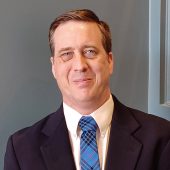
When the resolution was introduced, Warden Mario Zanth said that if no other mayor present moved and seconded the resolution, it would automatically be defeated. However, Champlain Township Mayor Normand Riopel moved the resolution and requested a registered vote. The motion was seconded by Casselman Mayor Geneviève Lajoie.
All eight mayors voted against the resolution.
After the vote, Zanth had instructions for Chief Administrative Officer (CAO) Stéphane Parisien.
“This message is to the CAO. Please advise Alto Corporation that this council does not want them on our territory, have refused the signing of the NDA, and access to UCPR lands.”
On Thursday, May 28, Zanth posted a video on social media explaining council’s decision.
“Major infrastructure projects must be transparent, accountable, and respectful of local communities from day one. Our residents deserve to know exactly what is being proposed, how it’s going to affect farmland, property owners, local roads, the environment, and taxpayers before decisions are made, behind closed doors, namely expropriations,” he said.
Zanth also criticized the non-disclosure agreement.
“An NDA would have limited open discussion with the public, and that’s not how trust is built,” he remarked.
Zanth said economic development and transportation matter, but protecting communities, rural character, and the right of residents to be informed also matters.
“This was not a vote against progress. It was a vote for transparency. It was a vote for local autonomy and responsible decision making,” he emphasized.
Zanth concluded by saying that if Alto wants to work with communities, they must do so respectfully and openly.