
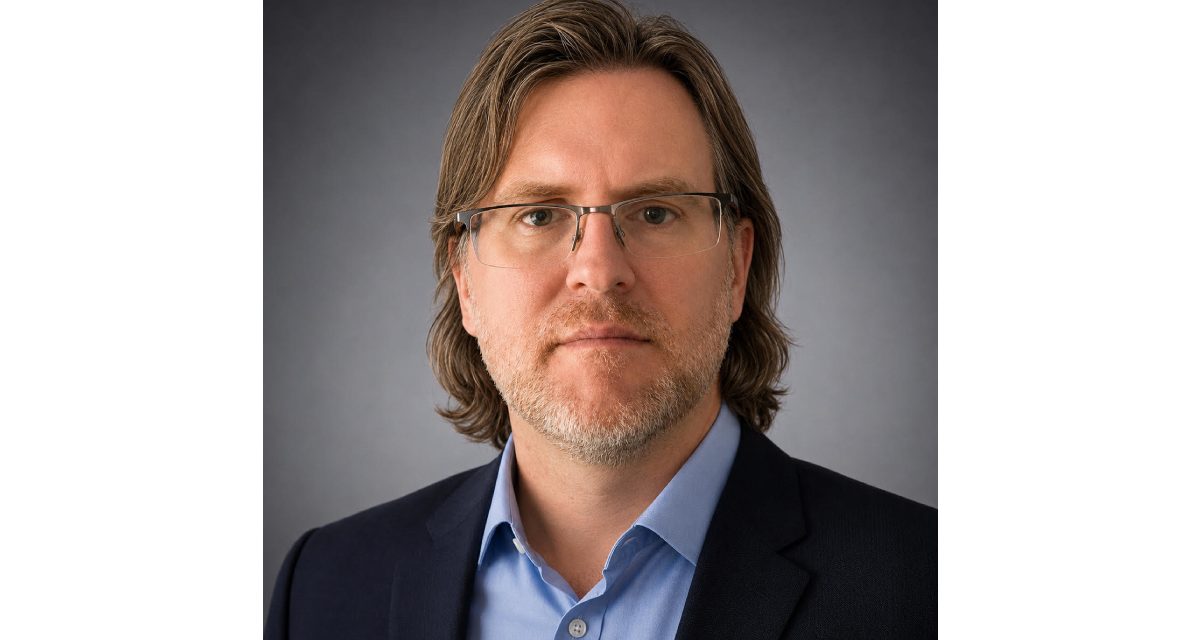
A doctoral researcher with personal ties to Glengarry is seeking to speak with residents in the region as he examines how cultural identity, traditions, and connections to heritage are maintained, changed, and sometimes lost across generations.
Joseph Stark, a PhD researcher in anthropology at the University of Aberdeen in Scotland, is conducting ethnographic research that will initially focus on Glengarry before expanding to Ottawa and Toronto. His work will also eventually take him to ancestral homelands, including Estonia and Scotland, where he plans to compare cultural life in those countries with the experiences of diaspora communities in Ontario.
For Stark, the research is both academic and personal.
Born in the United Kingdom to a working-class family of German and Polish descent, Stark said his parents did not have a strong connection to their Polish or German heritage. Even so, the subject interested him from an early age. He has since tried to incorporate elements of his own cultural heritage into his family life.
His wife, Amy, also has ancestral ties to Glengarry, with Scottish and French roots in the area dating back to the early 20th century.
Stark said his interest centres on a basic but complicated question: why do some traditions disappear within a generation while others survive for centuries?
“I don’t want to begin with an assumption about what someone’s identity should mean to them. I want to understand what it actually means to them,” Stark said.
For Stark, cultural identity is about more than a person’s ethnicity, nationality, or religion. It can encompass language, food, family traditions, social class, occupation, migration experiences, community life, and a person’s connection to a particular place.
Scottish and Estonian communities will be an important part of Stark’s research, although the project is not limited to those groups. He is also interested in hearing from people from other ethnic, religious, and cultural communities whose experiences could provide useful comparisons.
Glengarry is of particular interest because of the deep roots of Scottish heritage in the region.
One question Stark hopes to explore is how people can maintain a strong Scottish, Estonian, or other cultural identity alongside a strong Canadian identity. He does not necessarily see those identities as competing with one another.
“People can belong in several places and to several communities at the same time,” he said.
Stark’s research will involve spending time within communities rather than simply studying them from a distance. That could include attending cultural festivals, religious services, community gatherings, museum programs and heritage events, as well as having everyday conversations with residents.
Even seemingly ordinary practices can provide insight into identity and belonging, he said. The meal a family prepares on Sunday, the way grandparents are addressed, the places where relatives gather, stories repeatedly passed down, or what happens when someone dies can all be expressions of culture.
Funerals and remembrance are a particular area of interest for Stark because they bring together family, religion, heritage, ritual, and ideas about obligations to previous generations.
He wants to understand why some families may abandon certain traditions but return to older practices when someone dies.
“These practices raise an important question for me: What do the living believe they owe the dead?” Stark said.
He is also interested in people who do not feel a strong connection to their ancestry. Stark considers that experience just as important as the experience of someone who actively seeks to reconnect with an ancestral culture.
The research will also examine how traditions change over time. Stark said cultural change does not necessarily mean cultural loss.
A family might stop speaking an ancestral language but continue preparing traditional foods. Religious participation may decline while funeral customs remain. Someone several generations removed from their ancestors’ immigration might later decide to learn the language or research the village their family left.
He is looking for individuals, families, cultural organizations, and religious communities willing to participate or connect him with others who might be interested. Participants do not need to be experts on their cultural heritage, speak an ancestral language, belong to a cultural organization, or practise particular traditions.
“Ordinary family experiences—what you eat, celebrate, remember, believe, forget, or learn from parents and grandparents—are exactly what I am interested in understanding,” Stark said.
Overall, he hopes the research will provide a record of how communities change while showing that cultural identity can be inherited, rediscovered, adapted, combined with other identities, or left behind.
Anyone interested in learning more about the study or potentially participating can contact Stark at 518-477-3749 or by email at [email protected].
