
The federal riding of Prescott-Russell-Cumberland, like many other ridings across Canada, is facing an increase in the cost of living for essentials such as housing, transportation, and food. Prescott-Russell-Cumberland Member of Parliament (MP) Giovanna Mingarelli spoke with The Review about the federal government’s efforts to improve the lives of her constituents.
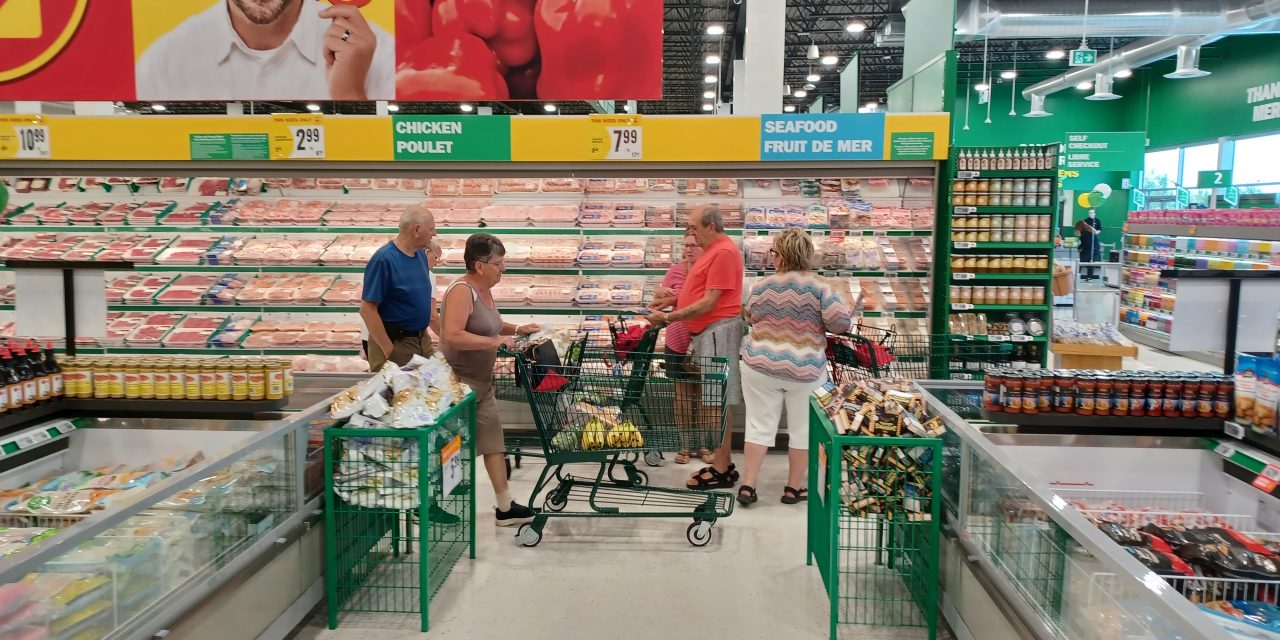
“In rural areas of our riding, where access to grocery stores and affordable transportation is already limited, the situation can be even more challenging for those struggling to make ends meet,” Mingarelli said. “We’ve had constituents share their concerns about the rising cost of living and the growing challenge of food insecurity.”
Mingarelli highlighted that long-standing supply chains and trade relationships that once “ensured stable growth, good jobs, and affordable products” for Canadians are no longer guaranteed in today’s global market.

These disruptions have led to the higher costs of essential goods, and she says the government is focused on creating new opportunities and cutting taxes for 22 million middle-class Canadians. Mingarelli says this will save the average two-income family up to $840 per year.
“That’s why Budget 2025 dedicates 36 per cent—or $10 billion—to lowering costs for Canadians,” Mingarelli said. “This includes measures like cancelling the consumer carbon price and launching the Build Canada Homes plan to improve affordability.”
For rural ridings like Prescott-Russell-Cumberland, many residents live in remote communities where access to affordable necessities can be limited. “Rising prices for groceries, gas, and housing are putting real pressure on families, seniors, and young people trying to make ends meet,” Mingarelli said.
“I’ve been working closely with the Mayor of Hawkesbury, Robert Lefebvre, and the Hawkesbury Food Bank to identify short-term solutions that can help families in need. I also plan to expand this collaboration to other food banks across the region so we can share resources and coordinate efforts more effectively,” she added.
Food Banks Canada reported a significant increase in food bank visits, rising to approximately 2.2 million visits in 2025, up from just over two million in 2024—a 5.15 per cent increase. Local food banks have been feeling the pinch as operating expenses continue to outpace donations.
Mingarelli emphasized her goal is “to ensure that every person in our riding has access to healthy, affordable food and the support they need to live with dignity. No one who works hard to support themselves or their family should struggle to put food on the table.”
The 2025 Budget, she says, focuses on empowering Canadians.
“Our government is committed to making life easier for Canadians and to protecting the vital programs families depend on. To the many Canadians who are working full-time—or even multiple jobs—and still finding themselves relying on food banks: we hear you,” Mingarelli assured.
Mingarelli explained that the National School Food Program (NSFP) will provide meals to an additional 400,000 children every year beyond what existing school food programs already offer. “As announced in October, this budget proposes making the NSFP permanent, with $216.6 million per year in ongoing funding beginning in 2029-2030,” she said.
For the average family with two children, savings through the NSFP could be about $800 per year.
Mingarelli also emphasized that the private sector, particularly larger grocery chains, plays a critical role in improving food security for Canadians. “While government policy can help lower costs and strengthen supply chains, grocery retailers have a responsibility to support fair pricing and transparency for consumers.”
The federal government is working on a voluntary Code of Conduct, which Mingarelli says is designed to promote fair dealings between grocers and their suppliers. Additionally, Mingarelli concluded, “grocery retailers can contribute by offering more affordable product lines, improving price transparency through unit pricing, and expanding access in underserved rural and remote areas.”
