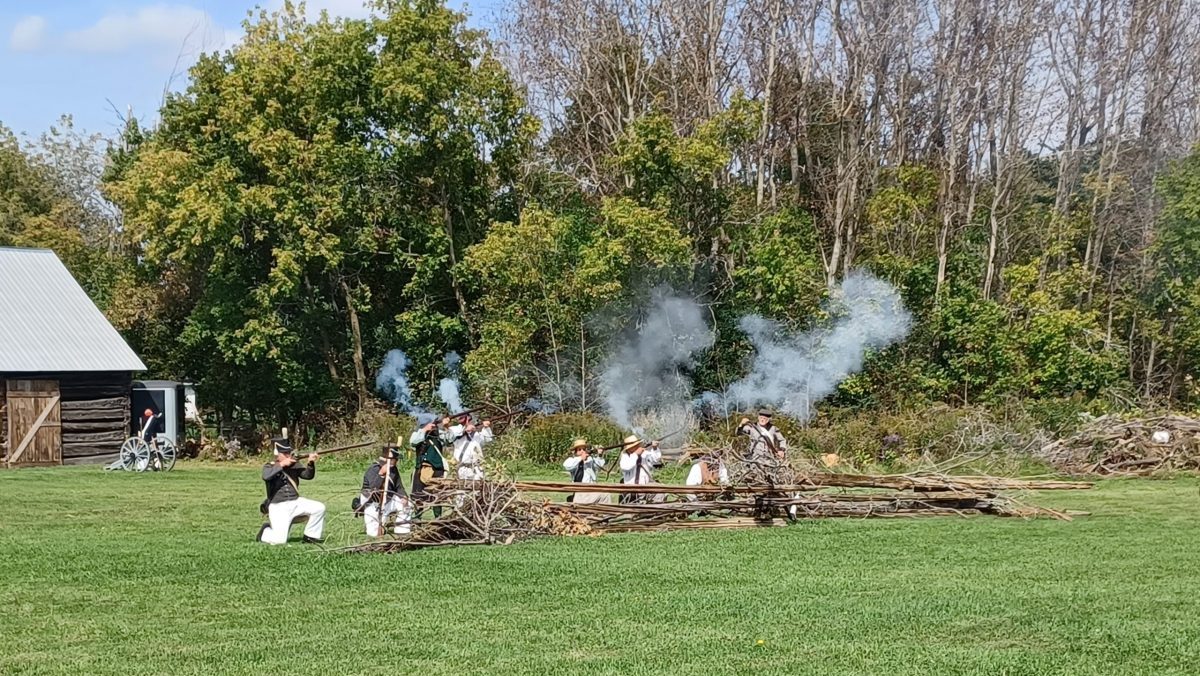
There never was an actual Battle of Glengarry in the War of 1812, but 15 years of reenacting the battle as a living history event was celebrated on September 21 and 22 during the annual War of 1812 Weekend at the Glengarry Pioneer Museum in Dunvegan.
Reenactors from Canada and the United States spent the weekend living and fighting as it was done during the war between Britain and the United States from 1812 to 1814.
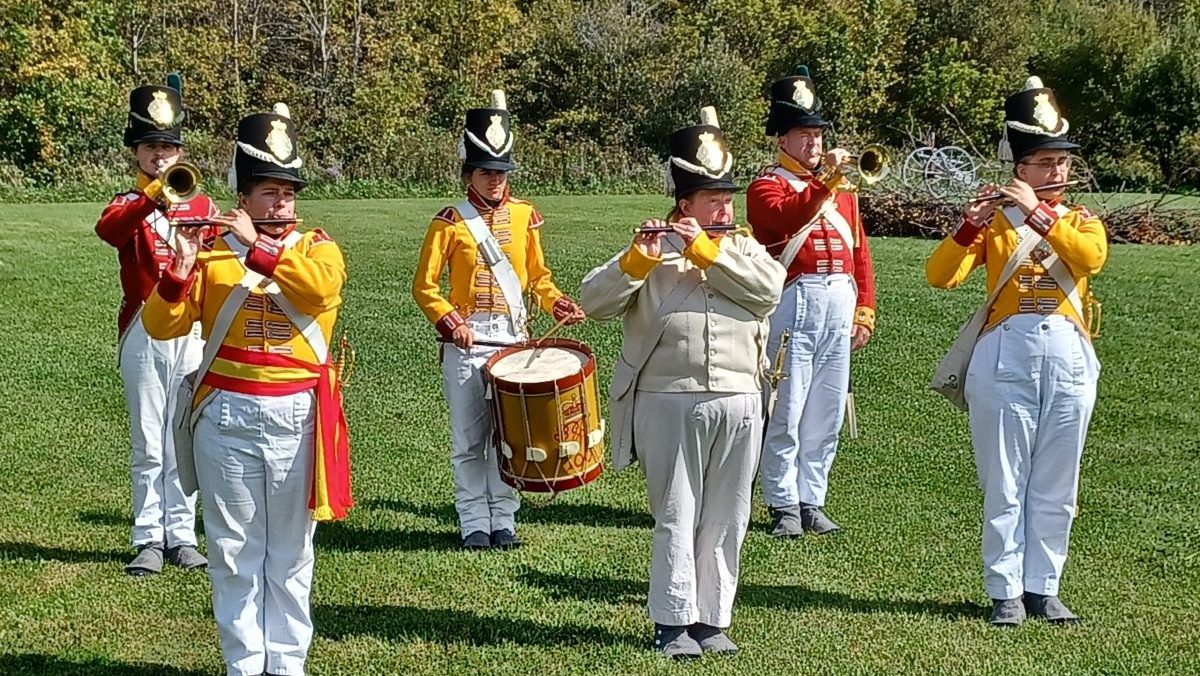
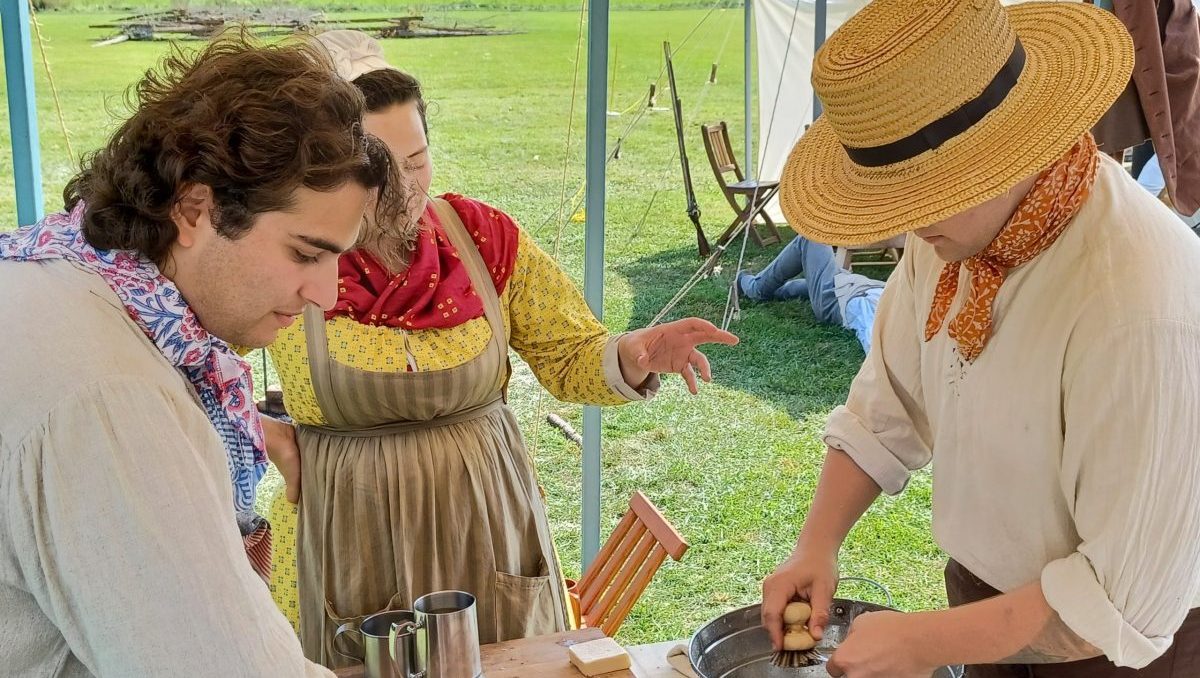
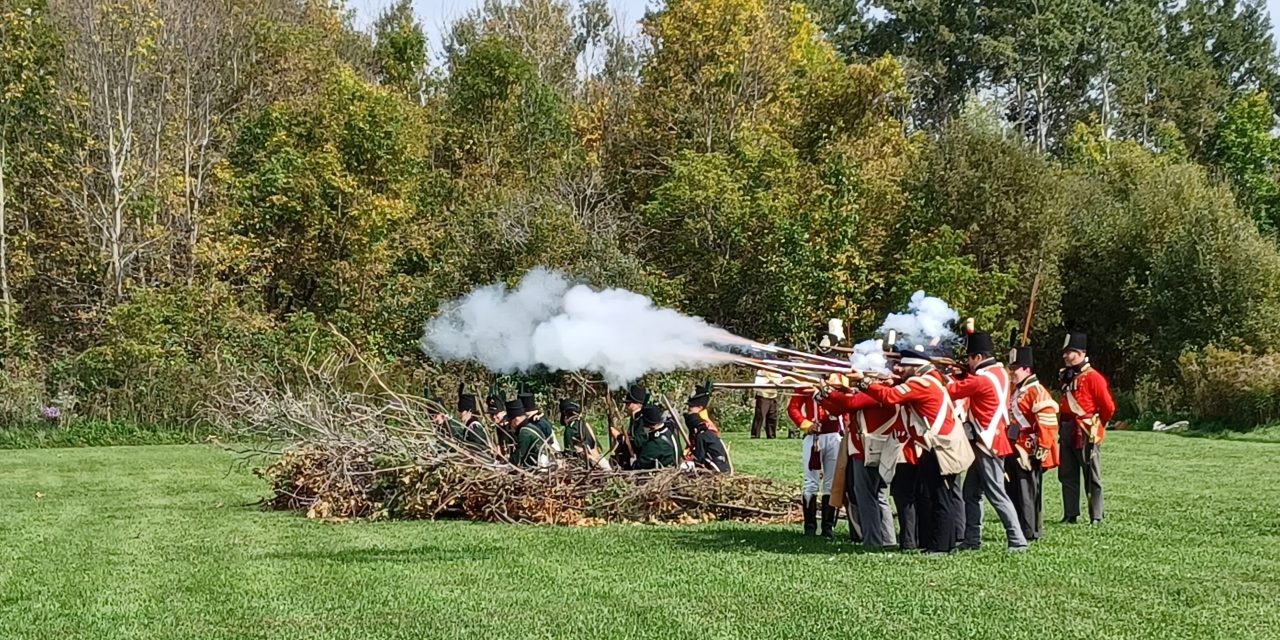
Not only were there daily demonstrations of how a War of 1812 battle may have appeared, but there were also performances by fife, drum, and bugle reenactors, and an on-site camp of reenactors engaged in tasks and trades more associated with home life more than 200 years ago.
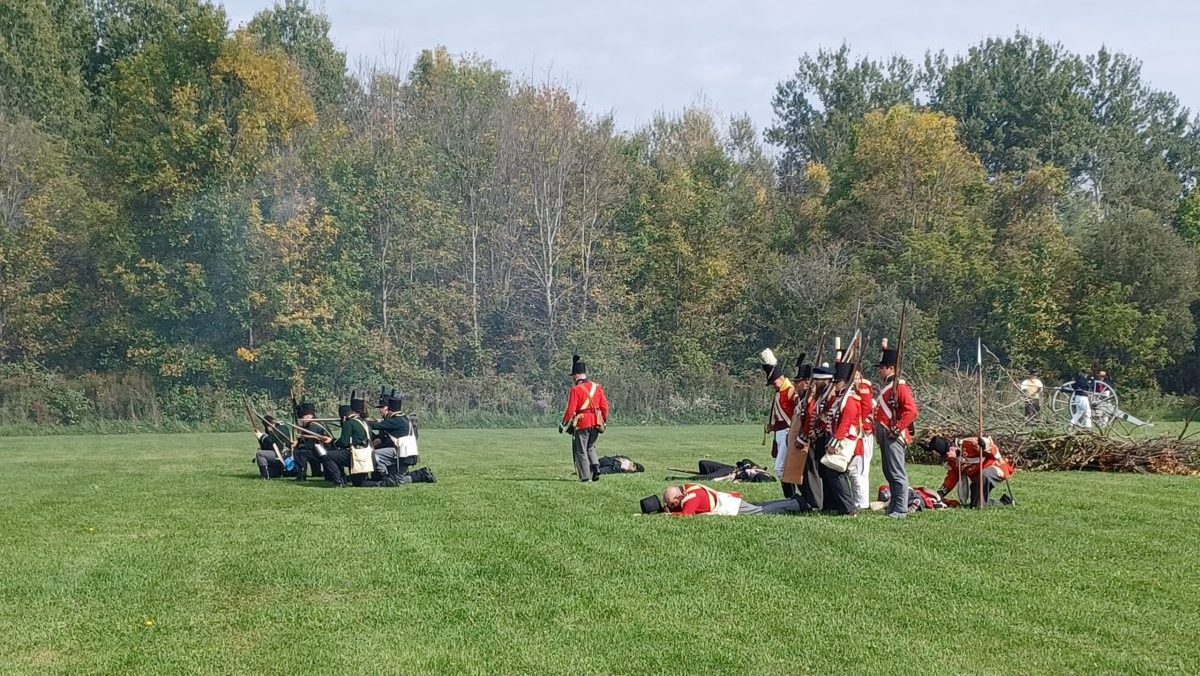
In Eastern Upper Canada, which is today’s Eastern Ontario, and in Northern New York, War of 1812 battles usually took place along the Canada-US border. Members of the Glengarry Light Infantry, also known as the Glengarry Fencibles, fought in battles at Ogdensburg, York (Toronto), Fort George (Niagara-on-the-Lake), Sackett’s Harbor, and Fort Oswego. Many Glengarry Light Infantry soldiers were recruited from what is today North Glengarry. The regiment was disbanded in 1816 but the current Stormont, Dundas, Glengarry Highlanders regiment, a reserve unit of the Canadian Army, is considered a legacy of the Glengarry Light Infantry and the Glengarry Fencibles. Soldiers in the regiment wore green uniforms while regular soldiers with the British Army wore the more recognized red uniforms.
In a short Sunday afternoon battle, the Glengarry Light Infantry and British regulars significantly outnumbered a much smaller American contingent, although the British contingent did appear to take some casualties.