

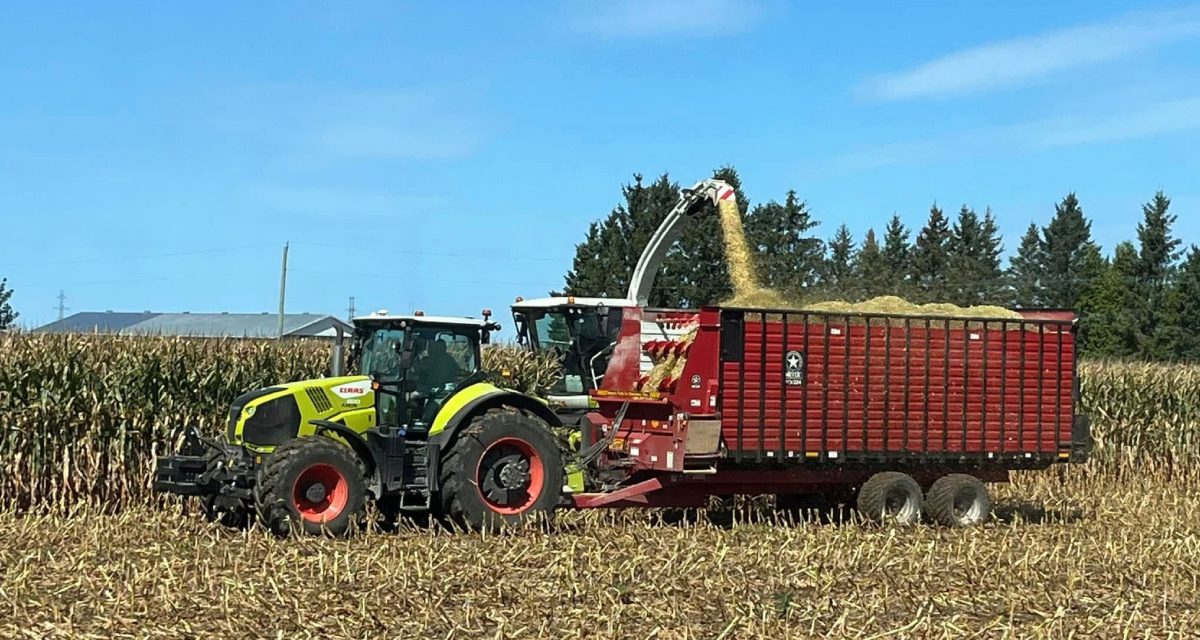
Rising diesel prices are adding to the financial pressures facing farmers in Eastern Ontario, increasing the cost of everything from fieldwork and livestock transportation to equipment repairs and supplies.
Trevor Cunning of Starhill Farms, near Vankleek Hill, said his operation uses roughly 4,000 litres of fuel per week during the busy season, making it particularly vulnerable to diesel price increases.
The farm operates a dairy and cash-crop business, sells Pioneer seeds, and provides custom planting and harvesting services to other farmers.
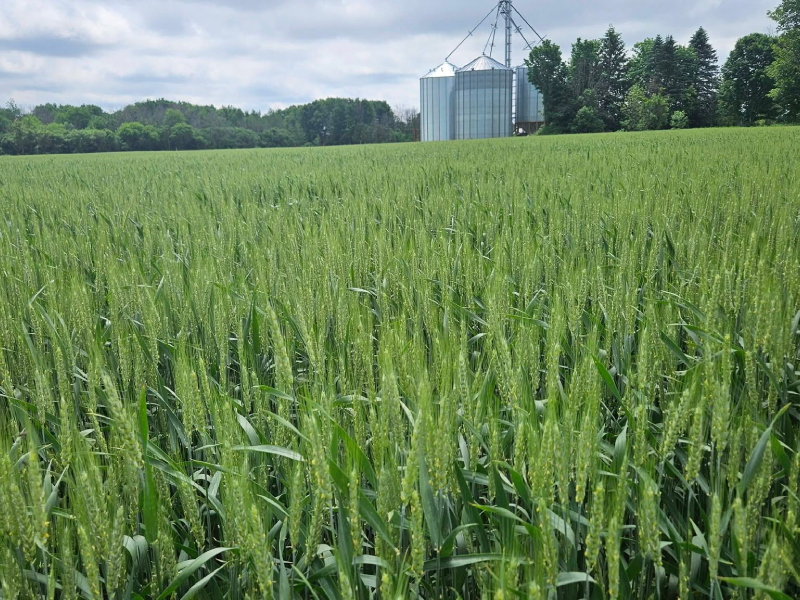
Cunning estimated that diesel prices had risen by about 80 cents per litre compared with the same period last year. He recalled paying about $1.40 per litre last year, compared with approximately $2.26 per litre for his most recent delivery.
Using Cunning’s estimate of an 80-cent-per-litre increase, the additional cost would amount to approximately $3,200 per week, assuming the increase applies to all 4,000 litres of fuel the farm uses during the busy season.
To manage the additional expense in its custom harvesting business, Starhill Farms discussed fuel surcharges with some of its larger customers before the season began. The farm can track fuel consumption by field and farm, allowing it to calculate how much fuel individual jobs use and pass that cost on to customers.
Cunning said the farm has been absorbing some of the financial pressure while also looking at ways to better manage future fuel costs. One possibility is to negotiate a fuel-supply contract that would allow the business to lock in prices for the volumes it requires.
“This is our busiest time of the year, and we’re going through thousands of litres weekly right now,” he said.
Cunning said farmers and other fuel users would benefit from greater transparency about price fluctuations, particularly when costs rise quickly. He also expects higher diesel prices to affect expenses beyond fuel purchases, including parts, shipping, deliveries, and other services.
“Everything’s connected from the farm all the way to the table,” he said, noting that higher transportation costs could eventually contribute to increased grocery prices.
Costs extend beyond the fuel tank
Michael “Mike” MacGillivray of Kirkview Farms, based in Kirkhill, said rising diesel costs are a concern for his operation and farmers throughout Eastern Ontario.
The farm raises beef cattle, sheep, hogs, and poultry, making transportation an important part of its business, particularly because of the distances involved in getting livestock to processing facilities.
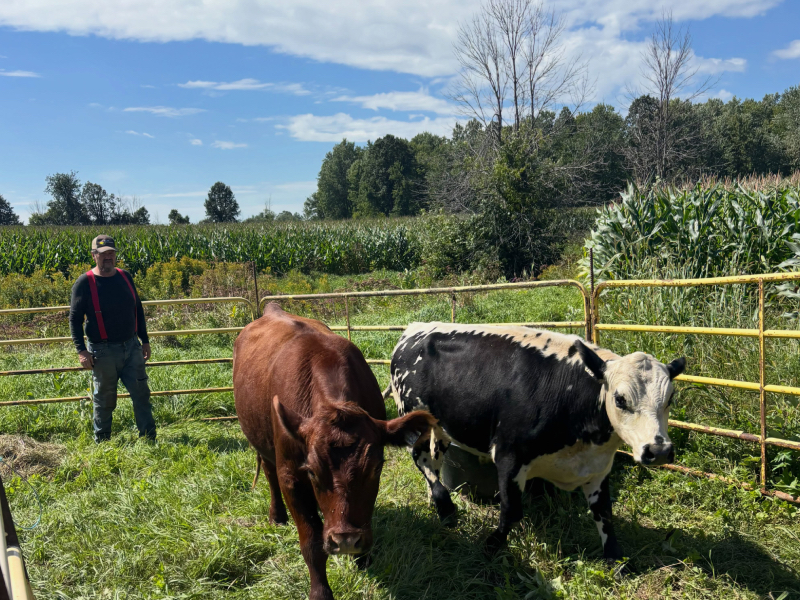
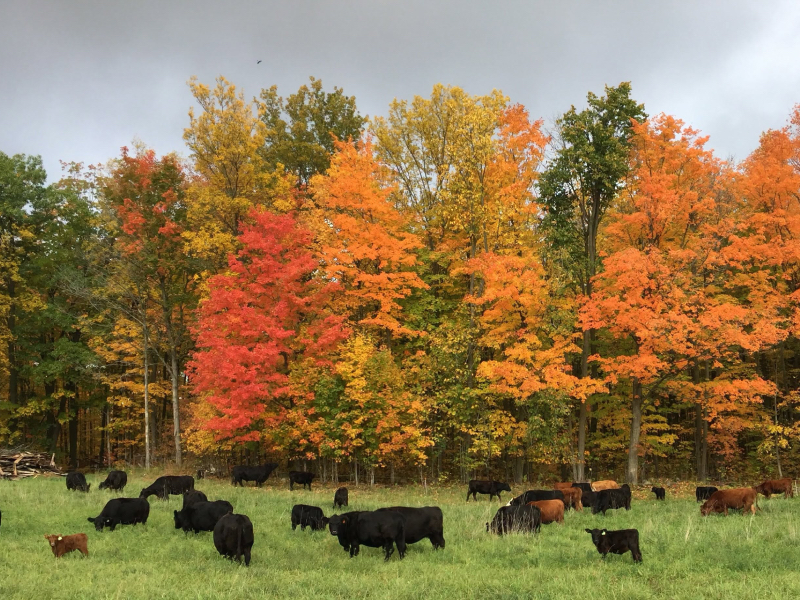
Diesel is essential for hay production, moving feed, maintaining infrastructure, and bringing products to market. MacGillivray said, however, the direct cost of fuel represents only part of the problem.
Higher transportation expenses can also drive up the price of feed, supplies, equipment, repairs, and other services farmers rely on.
“Farmers end up absorbing these increases at multiple points throughout the production cycle,” he said.
Kirkview Farms uses regenerative farming practices, including rotational grazing and reduced reliance on mechanical field operations, to limit fuel consumption.
MacGillivray said those practices help reduce some costs, but cannot shield the operation from broader increases in energy and transportation expenses. He also pointed to the difficulty farmers face when trying to recoup those costs through the prices they receive for their products.
“The larger issue is that farmers are generally price takers rather than price setters,” he said.
Even farms that sell directly to consumers have limits on how much they can charge for food, he added.
MacGillivray said diesel is one of several rising costs affecting farm businesses, alongside expenses for equipment, repairs, labour, insurance, and other inputs. While individual increases may appear manageable, their combined effect can threaten the financial viability of family farms.
Provincial figures highlight the impact
The Ontario Federation of Agriculture (OFA) says rising diesel prices are adding thousands of dollars to harvest expenses for farmers across the province.
In a news release dated Wednesday, October 14, OFA Vice-President Sara Wood said a modern combine holding approximately 1,250 litres of diesel costs about $1,560 to fill in fall 2025. This year, the estimated cost is more than $2,600, an increase of more than $1,000 per fill.
For a 500-acre farm growing corn, soybeans, and wheat, the additional diesel costs associated with field preparation, planting, and harvesting could exceed $14,000 this year compared with last year, according to the OFA.
The organization also highlighted the impact on tomato processing producers. A 150-acre operation could see its annual diesel bill rise from approximately $51,600 last year to more than $86,600 this year, an increase of more than $35,000.
Wood said farmers have limited flexibility when it comes to fuel consumption during harvest.
“We can’t put off harvesting a crop until diesel prices come down, and cutting back on necessary fieldwork isn’t always an option,” Wood said.
The OFA noted that farmers use dyed diesel exempt from applicable fuel taxes in eligible farm machinery, including tractors and combines. However, the exemption does not shield them from increases in the underlying price of fuel.
The organization also warned that rising input costs can leave farmers with less money to maintain equipment, invest in their businesses, or prepare for the next growing season.
Looking ahead
At Starhill Farms, tracking fuel consumption and charging fuel surcharges to some custom harvesting customers provide a way to account for additional expenses. Cunning is also exploring whether a fuel contract could offer greater price certainty.
MacGillivray said Kirkview Farms’ efforts to reduce mechanical fieldwork help limit consumption, but even a pasture-based operation remains exposed to higher transportation costs and other expenses.
For both farmers, rising diesel prices are adding to broader operating costs that affect more than fuel purchases alone. As those expenses accumulate, the financial pressure can extend beyond the farm gate to the businesses and consumers connected to agricultural production and food distribution.
