
The Eastern Ontario Health Unit (EOHU) is reminding everyone to take simple measures to prevent mosquito and tick bites, along with the diseases the insects may be carrying. Mosquitoes and ticks are active from spring through fall, particularly in wooded, grassy and other natural areas.
Both West Nile virus and Eastern Equine Encephalitis (EEE) are spread to humans by the bite of infected mosquitoes. While no local human cases have been reported this summer, recent surveillance has identified West Nile virus in local mosquito populations. For most people, the risk of illness from West Nile virus is low. However, it can cause serious illness in others. EEE is rare but can cause serious complications in humans as well.
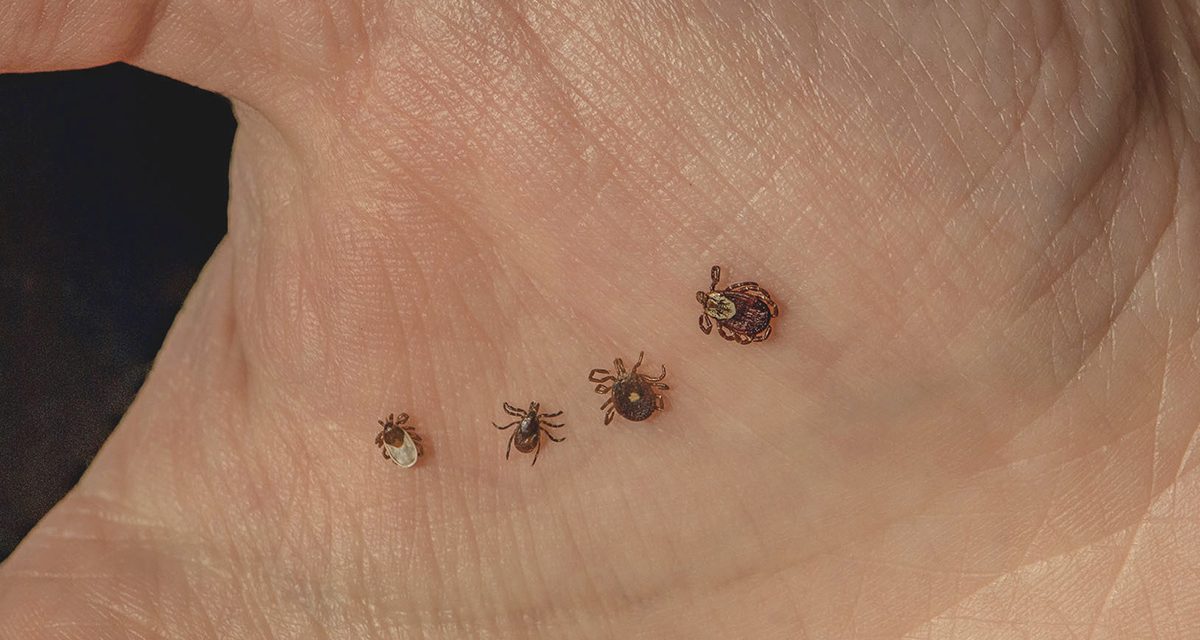
The EOHU region is a known risk area for Lyme disease caused by the bite of blacklegged ticks, also known as deer ticks. In addition to Lyme disease, ticks in the area have also tested positive for anaplasmosis, babesiosis and Powassan virus in recent years. While these diseases are less common than Lyme disease, they also have the potential to cause serious illness. Most cases of Lyme disease, anaplasmosis and babesiosis can be treated successfully with medication, however there is currently no treatment for Powassan virus.
You can reduce your risk of tick and mosquito bites by:
Applying a Health Canada-approved insect repellent containing DEET or icaridin.
Wearing long sleeves, long pants, socks and closed-toe shoes when spending time
outdoors, particularly in wooded or grassy areas.
Wearing light-coloured clothing to make ticks easier to spot.
Performing a full-body tick check and showering soon after spending time outdoors.
Removing standing water around homes by emptying containers, maintaining bird baths
and keeping eavestroughs and drains clear to reduce mosquito breeding sites.
If you find a tick attached to your skin, remove it as soon as possible. If you believe it may have been attached for 24 hours or longer, or if you develop flu-like symptoms or an unusual rash in the days or weeks after a tick bite, contact your healthcare provider or pharmacist. Early treatment for Lyme disease is highly effective.
The EOHU is distributing tick removal cards free of charge out of all its offices, while supplies last. Instructions on how to use the card are available on the How to remove a tick page at www.eohu.ca/ticks.
For more information, visit the Eastern Ontario Health Unit’s website at www.EOHU.ca, or call 613-933-1375 or 1-800-267-7120.