
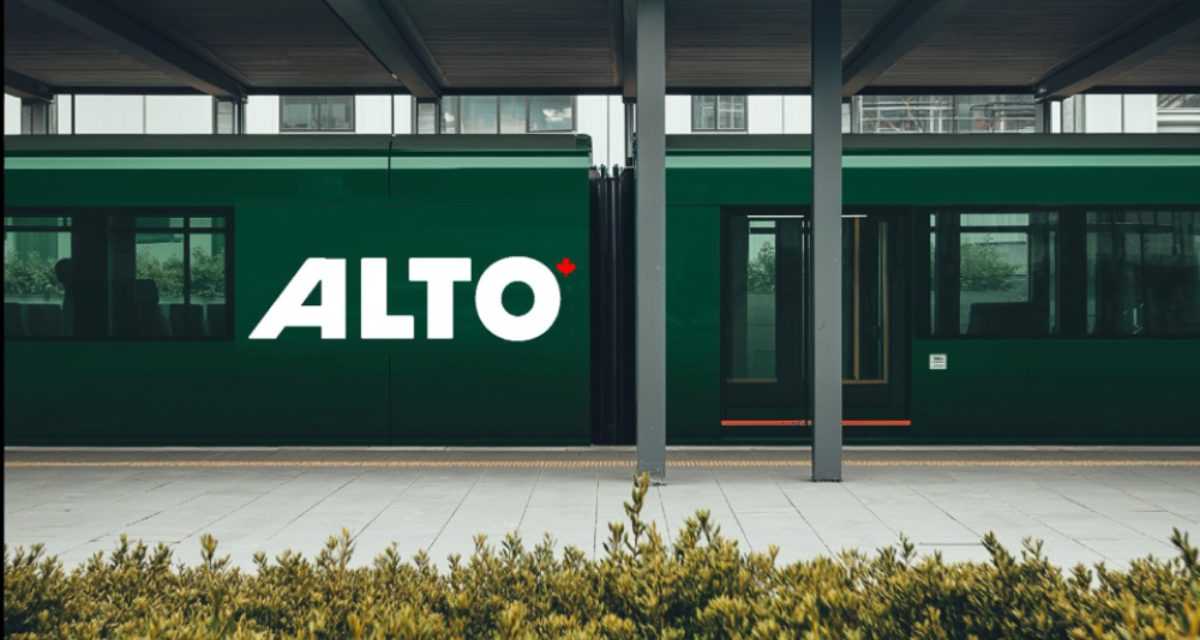
The Ottawa to Peterborough line for the Alto project could take a southern route with a stop in Kingston.
On Monday, June 22, federal Minister of Transport Steven MacKinnon, with Alto President and CEO Martin Imbleau, announced the release of Alto’s What We Heard Report. The report summarizes feedback gathered during the first phase of the 100-day public consultation process, as well as through Indigenous consultation activities that were conducted from October 2025 through June 2026 across the Toronto–Québec City Corridor.
According to a Transport Canada press release, following the review of the findings, MacKinnon directed Alto to develop a plan to assess a southern route option between Peterborough and Ottawa that includes a potential stop in Kingston that would interconnect with VIA Rail services, subject to technical feasibility and project requirements.
The report reflects feedback from Canadians, Indigenous communities, municipalities, agricultural producers, landowners, industry stakeholders, community organizations, and transportation experts on the opportunities, challenges, and potential benefits associated with the project. Agricultural producers, landowners, and rural communities have raised important questions related to property acquisition, impacts on farmland and agricultural operations, access, and the potential effects of the project on their properties and communities. This feedback is helping to inform ongoing planning, design, and mitigation measures.
High-speed rail would reduce travel times between Kingston and Toronto to approximately 90 minutes while establishing Kingston as a key regional mobility hub, improving connections and placing up to 80 per cent of residents between Peterborough and Ottawa within a 25-minute drive of a station.
Ongoing exchanges with environmental organizations in the Kingston area as a part of the consultation process clearly illustrated the need to minimize local and environmental impacts. MacKinnon and Alto confirmed that these concerns will be taken very seriously and that the project will be developed in a way to mitigate potential impacts. This commitment will guide all technical analyses as work progresses. Once a preferred alignment is identified, the project will proceed to more detailed design and regulatory review, including the Impact in Assessment process. This next phase will continue to involve consultation with potentially impacted Indigenous communities, public engagement, and coordination with provincial, municipal, and other partners.