

Skilled trades positions remain the most difficult roles for employers to fill across the United Counties of Stormont, Dundas, and Glengarry (SDG) and the United Counties of Prescott-Russell (UCPR), according to the Eastern Ontario Training Board’s (EOTB) latest EmployerOne Survey.
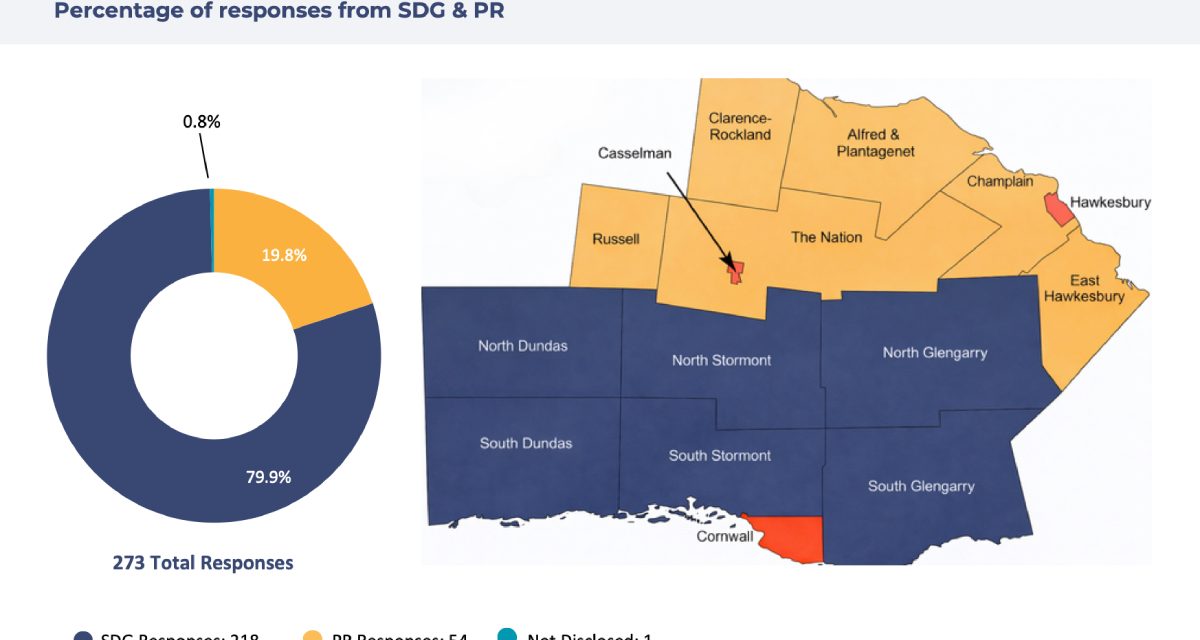
The survey was conducted between January 7 and February 27, 2026, and gathered responses from 273 businesses across the region, including 218 in SDG and 54 in UCPR. Employers were asked to reflect on their workforce experiences in 2025 and outline their hiring expectations for the year ahead.
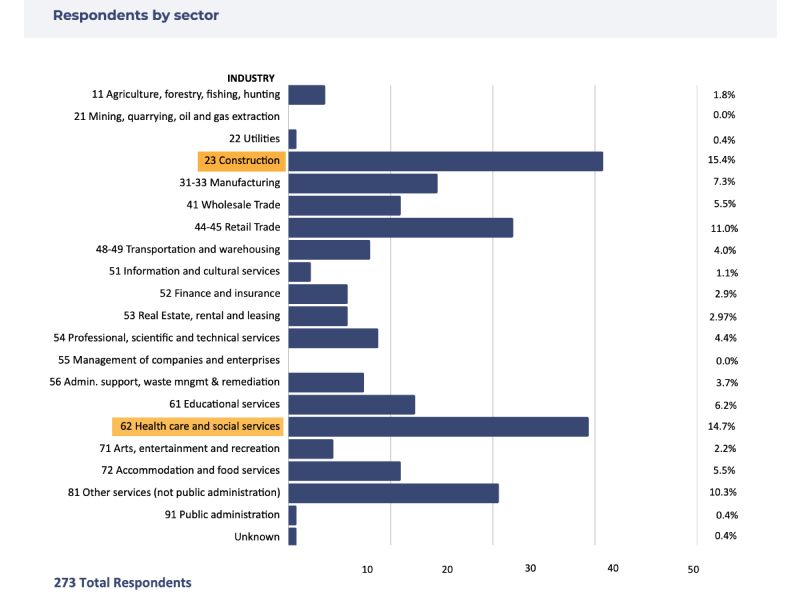
More than 81 per cent of the responding businesses reported having 50 or fewer employees, and nearly two-thirds said they rely primarily on full-time staff. Most employers indicated that 25 per cent or less of their workforce is made up of youth under the age of 25 and workers aged 55 and over.
Skilled trades ranked as the most difficult positions to fill by a significant margin, followed by supervisory and management roles, entry-level positions, customer service roles, and administrative jobs.
Among the 113 employers planning to hire in the coming year, the strongest demand continues to centre on skilled trades in construction, automotive services, manufacturing, and transportation. Additional hiring needs were also reported in food preparation and hospitality services, as well as business and education-related occupations.
“Understanding what’s really happening on the front lines is key to building strategies that actually work in addressing workforce needs in today’s job market,” said Executive Director of the EOTB Martha Rochon in a press release.
“It helps people make informed decisions, shapes training initiatives, and closes skill gaps so people are better prepared to succeed and employers can find the talent they’re looking for,” Rochon continued.
Employers identified soft skills, problem-solving, and adaptability as the most important qualifications for new hires, noting that strong work-readiness skills also play a major role in employee success on the job. Some of the biggest barriers to both hiring and retaining staff included a lack of qualified applicants, unrealistic wage expectations, and concerns over work ethic and reliability.
Rising costs and an aging workforce are also some of the greatest challenges currently facing local businesses. Employers expect these pressures to remain the top concerns over the next one to two years.
Annual employee turnover rates of 10 to 20 per cent were most common, with the leading reasons for departures including higher wages offered elsewhere, personal reasons, and attendance issues.
When asked what type of government or community support would be most beneficial, the majority of respondents called for wage and benefit subsidies to help with onboarding new employees, along with expanded training programs for both new hires and existing staff. Many also emphasized the need for occupation-specific training, particularly in skilled trades, as well as initiatives to attract workers to rural communities.
The full 2025 EmployerOne Survey results are now available and will help guide local training programs, economic development efforts, and employment services across the region.
