
On March 10, the Ontario government announced it is taking the next step towards restructuring the province’s Conservation Authorities. The current 36 Conservation Authorities will be consolidated into nine regional conservation authorities. The province’s plane follows extensive consultation on how conservation authorities can expedite residential housing construction and other local infrastructure projects, while strengthening their vital role in managing watersheds and protecting communities from floods and natural hazards.
The government believes the consolidated regional conservation authorities would reduce administrative duplication, redirect resources to front-line conservation and modernize the permit issuing process.
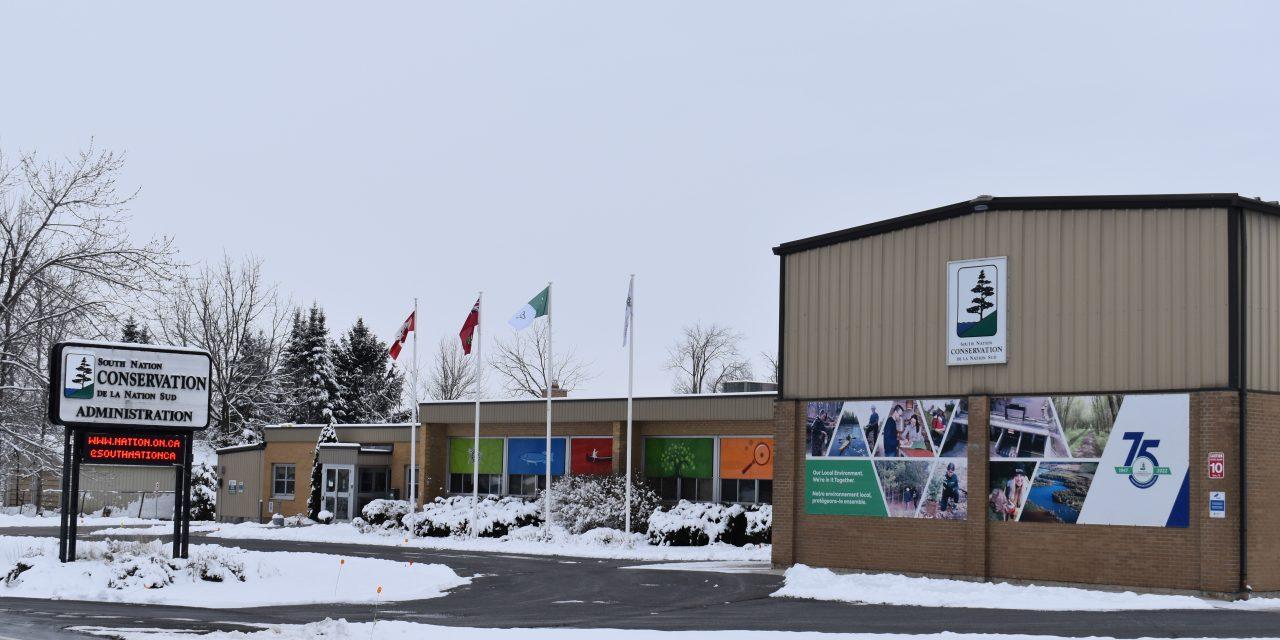
Locally, the South Nation Conservation Authority (SNC) will be consolidated with three other conservation authorities, to form the St. Lawrence River Regional Conservation Authority (SLRRCA), bringing SNC, the Raisin Region Conservation Authority, the Rideau Valley Conservation Authority, and the Mississippi Valley Conservation Authority.
“As we move into this new regional model, our focus remains on preserving the high level of service our communities expect,” said SNC Chief Administrative Officer Carl Bickerdike. “We will continue to work constructively with the province, our peers at MVCA, RRCA and RVCA, Conservation Ontario and our municipal partners,” he added, at SNC’s Annual General Meeting, held on March 12 in Finch.
RRCA Chair Jacques Massie, who is also a North Glengarry Councillor, said that agency contributed strongly to the government’s consultation process on the proposed changes to conservation authorities.
“Throughout this process, our Board members, staff, and municipal partners worked diligently to ensure our CA’s needs and perspectives were heard,” said Massie.
In January 2026, RRCA Board members met with Minister of the Environment, Conservation and Parks Todd McCarthy as part of an SDG Counties council delegation to share recommendations and concerns about the province’s proposed consolidation.
“Our feedback through meetings, submissions, and delegations directly contributed to the adjustments made to the final regional boundaries. We thank municipalities, partners, and members of the public for their continued engagement and support,” added Massie.
During the transition, all SNC and RRCA programs and services will continue without disruption.
The province created the new Ontario Provincial Conservation Agency (OPCA) last fall and began consulting with conservation authorities, municipalities and other partners on proposed boundaries for consolidating the province’s conservation authorities.
Based on the extensive feedback received, the government amended its proposed conservation authority boundaries. Under this plan, the OPCA would coordinate a clear and successful transition targeting early 2027 for consolidation.
To ensure local knowledge and input continue to guide watershed management, the province will require regional conservation authorities to create one or more local watershed councils that help identify local priorities for watershed-based conservation programs and services. Regional conservation authorities would remain municipally governed, with regional municipalities, counties and cities appointing members to conservation authorities. Lower-tier municipalities such as towns and townships will no longer be participating municipalities of a conservation authority under this approach.
The province is providing annual funding to the OPCA in the amount of $3 million, beginning in 2026. This funding would be used by the agency to support conservation authorities as needed during the transition period. Following transition, this annual funding would go toward helping regional conservation authorities achieve program improvements.