A Hawkesbury town councillor says council meetings should be scheduled in a way that allows more people to be involved in municipal politics.
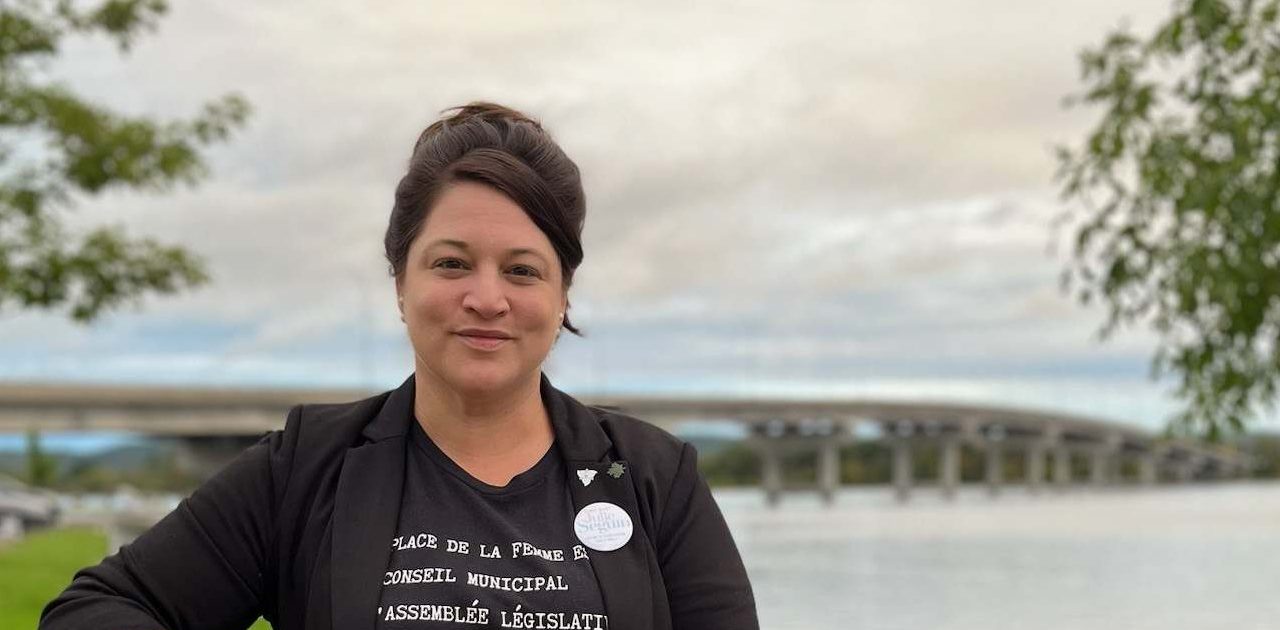
Julie Séguin was not in attendance at the special council meeting on November 26. It was held at 2 pm that day. Séguin said it was the second special meeting held during the daytime in the past six weeks. She is frustrated that special meetings are often held during the regular workday even though she has repeatedly requested they be held as late in the day as possible. Séguin works for a Member of Parliament in Ottawa. She is also the only member of Hawkesbury Council who is not retired from a previous career or self-employed.
“Yes, it is a challenge, but more importantly, it highlights a broader issue of governance, not just my personal circumstances, and it likely affects the entire province,” Séguin said.
She explained that according to Statistics Canada, in Hawkesbury 56 per cent of residents are working-age adults, 21 per cent are young adults and teens, while a significant 30 per cent are families with children at home.
“Due to these circumstances, it would be very hard for these individuals to attend daytime meetings or serve on the municipal council,” Séguin remarked.
She noted that as the 2026 municipal election draws closer, municipal government organization and Leadership féminin Prescott-Russell (LFPR) which aims to elect more women to local political positions, are advocating civic engagement and encouraging many citizens from a variety of backgrounds to become candidates.
“To promote civic engagement, it is essential that our systems, including meeting schedules, are accessible to all members of the community,” Séguin said.
She said her own employer has fortunately been accommodating of her municipal council responsibilities since she was elected in 2022 and was even the first person to suggest she run for a council seat. However, there are still employment responsibilities to uphold, and not every current or prospective councillor has the same flexibility. Séguin said greater flexibility of meeting scheduling would make it easier for more people to serve on council and better represent all segments of Hawkesbury’s population.
“This is crucial for truly acknowledging and addressing the perspectives, concerns, and realities of residents in policymaking.”
Séguin said that when she ran in the 2022 election, she knew there would sometimes be daytime meetings, particularly in urgent situations.
“My concern has never been about whether we have daytime meetings, but more that we ensure our meetings remain accessible to most of our working residents,” she remarked.
“If meeting times are consistently disfavoring some specific groups, we are discouraging civic involvement from the very demographics we need most: younger adults, working-class, women, francophones and professionals who are balancing work and family life and still want to serve their community,” Séguin added.
She referred to research done by the Rural Ontario Municipal Association (ROMA) in 2016 indicating that only nine per cent of elected municipal officials in Ontario were between the ages of 18 and 40.
“In order to recruit and retain new leaders, we must make involvement feasible, not harder. If we expect our population to be active participants, well informed, and even consider running for office we must demonstrate a commitment to accessibility,” concluded Séguin.