The following is a summary of the 2025 speaker series at the Vankleek Hill Museum which featured memories of various times, people, businesses, and community life during the Twentieth Century in Vankleek Hill.
The Vankleek Hill Historical Society would like to thank Jean Kronberg and Bodo Schmidt (Norda – The History of the Spice Industry); Gilles Mercier (Mercier Carriages); Bill Byers (How Cheese Changed Everything); St. Denis (Patsy, Joe, Rob, Mike) family (Generations of Windsor Tavern) and André Martel (History of Martel Monuments).
The story is written as though it is a childhood memory.
I was riding in a Mercier carriage on a warm, spring day down Main Street Vankleek Hill (VKH) with my father and uncle. We had many tasks to attend to, given my grandfather had just passed and we needed to make funeral arrangements, purchase supplies and arrange accommodations for our large family coming into town in four days.
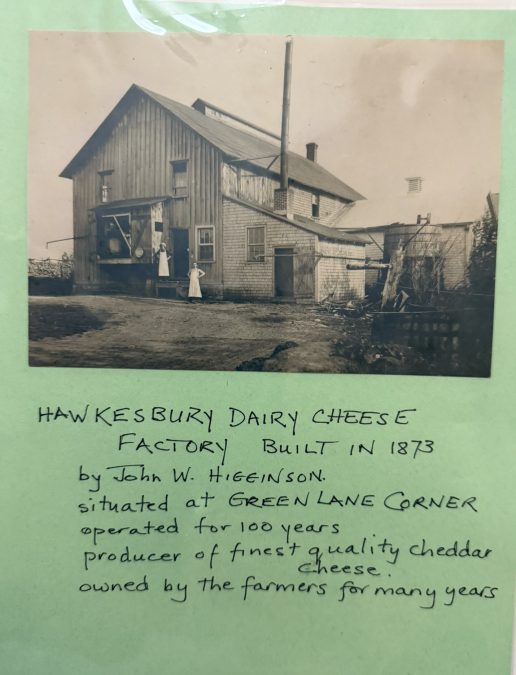
Our first stop was for cheese and dry goods at the McCuaig Cheney general store and as usual there was the town porch-sitters catching up on all the news. Yet another cheese factory had opened and by 1911, Prescott County would have 71 factories. Cheddar cheese was the most important agricultural export worth $20M and shipped wonderfully encased in wax. Farmers were making a profit of $50/month with only 10 cows (Ayrshires or Durhams) to pay the mortgage on the farm. The first cheese factory in VKH was located on Agricultural Street and the Cheese Marketing Board in VKH was the largest in the dominion of Canada. By 1919 the government was grading cheese, and the ‘big cheese’ exhibits were popping up at the VKH Fair! Thank goodness for William E N Byers who constructed a cooperative cheese factory at Brown’s Corners (now Greenlane) after sailing to England to establish the British market for Canadian cheese!
We all laughed when one ole timer rationalized buying more cheese than he needed “Cheese may be binding but rhubarb is in season!”
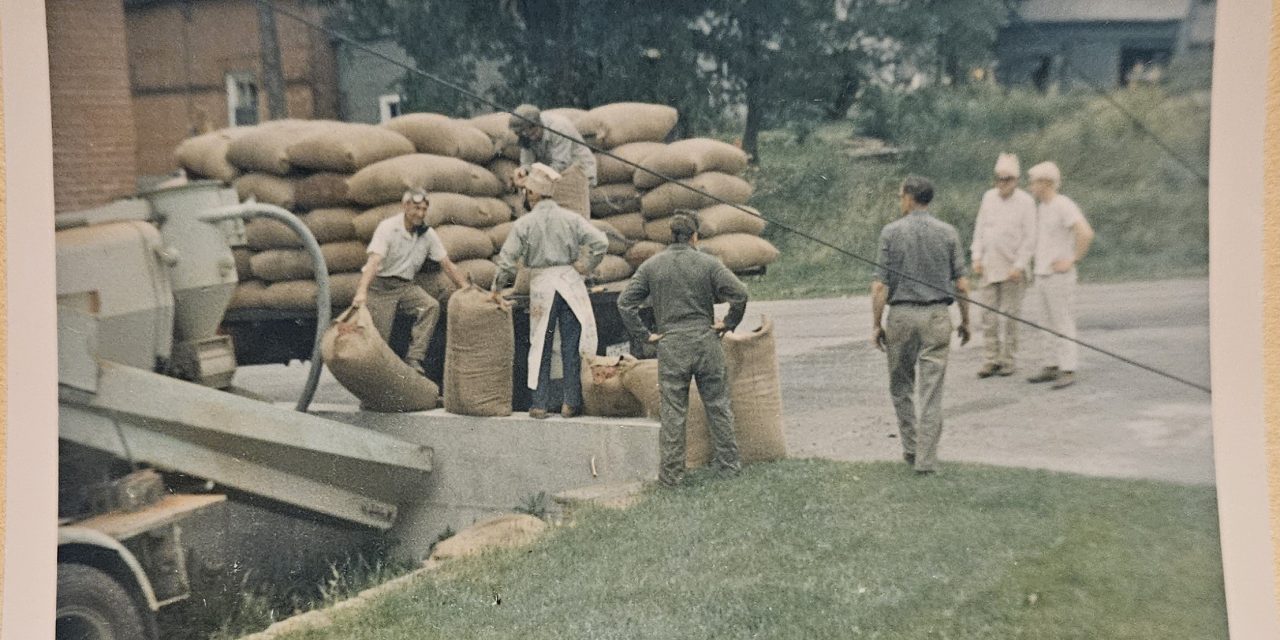
After purchasing our flour, sugar and rice we stepped outside the McCuaig Cheney store only to get a faint whiff of a peppery odor. The indoor grinder at ‘The Norda’ at Main and Farmers Avenue was down and Art Massia was using a temporary outdoor unit to grind the capsicum (hot red peppers). He was also grinding turmeric outdoors and Mrs. Lacroix’s freshly laundered white bed sheets drying on the line had turned the most beautiful shades of bright yellow.
The Norda Company came to Vankleek Hill in 1942 and bought the cedar leaf oil operation at Main Street and Hibbard, but a boiler blew up a year later and burned the whole place down, so operations moved across the street into the vacant ‘Sylvester’s (flour) Mill’ at Main and Farmers Avenue. Cedar leaf oil was in demand as an industrial lubricant during WWII and after the war, the Norda expanded into food flavors to support luxury goods by supplying chocolate syrup and caramel toppings, and soda fountain fruit syrups to the countless ice cream and soda foundation shops that were springing up at every corner shop in North America. They diversified further in the 1950s to oleoresins (concentrated natural extracts from spices used for flavor, aroma, and colour in food and beverages) and vanilla.
My father remarked “that Phil Kronberg has run a good ship all these years and I hear the deputy manager and flavour chemist Bodo Schmidt is some wizard with those oleoresins.”
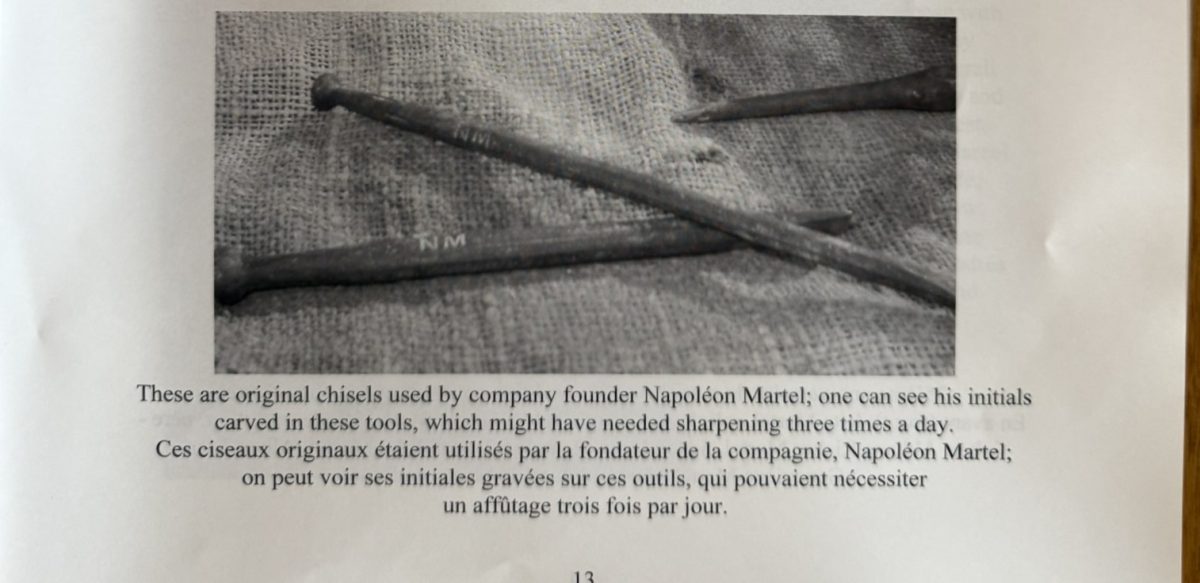
Our next stop was to see Napolëon Martel at 144-146 Main to pick out a headstone for dear grandfather. Father said I’ve written out what I’d like on the headstone, but we can have them chisel it right at the cemetery if the family wants changes. Hard dirty work…all that sandblasting by hand after they cut the slabs with a wire saw and water. Martel monuments would go on to celebrate five generations of a most successful family-owned business winning numerous awards including a Life-time Achievement Award from the Monument Builders of North America. Third generation Jean-Real Martel built the customer base driving 100,000 MILES a year and worked 6 days/week selling products with caretakers across Ontario. He would change his car every 9 months, always opting for a Chrysler.
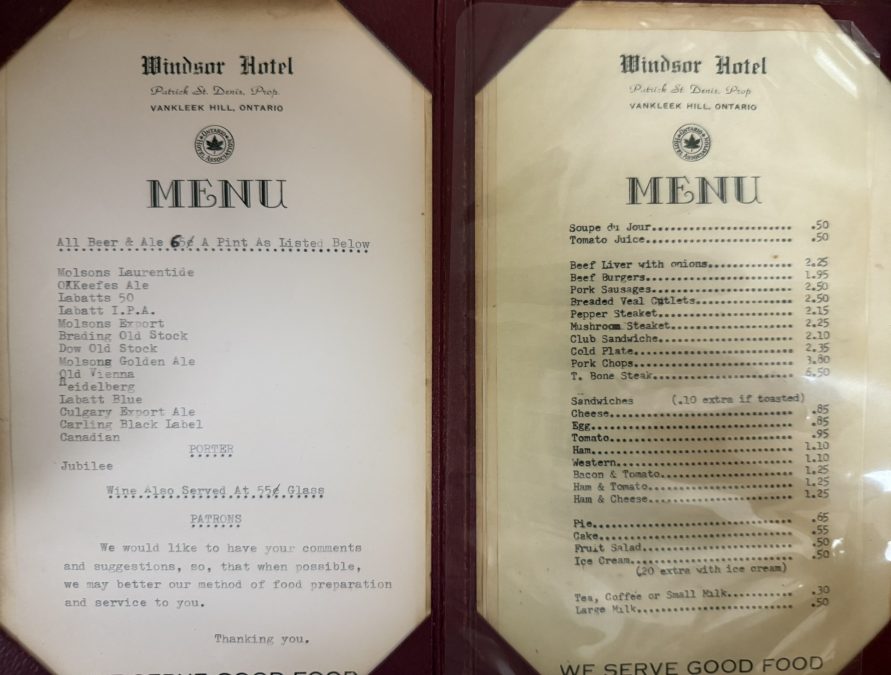
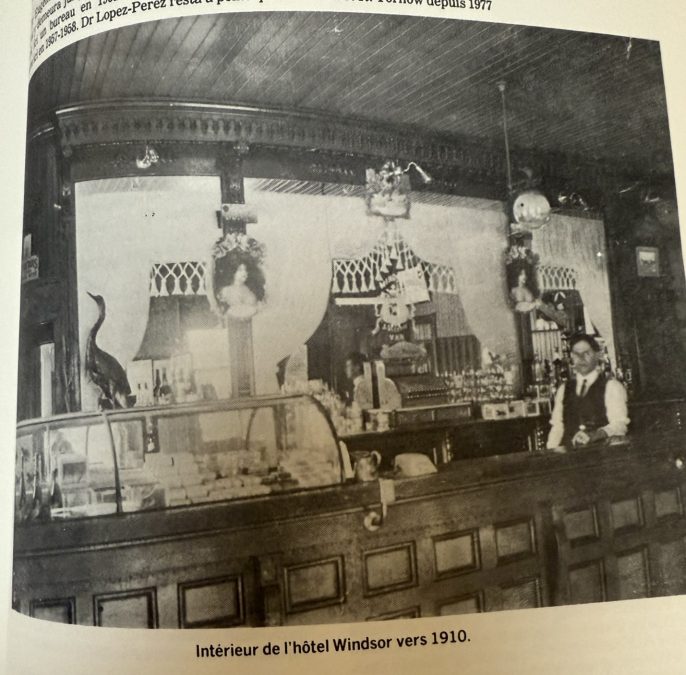
After selecting the headstone, we headed over to the Windsor Tavern for a much-needed draft. Father was saying that Joe St. Denis bought the tavern in 1908 and later changed the name to Windsor to honour the House of Windsor (British Royal family). Joe said it was fine to reserve 4 rooms at $1.50 apiece complete with a meal for our visiting family. The Windsor Tavern saw many changes through four generations and is today the longest family-run tavern in Canada. Horse sheds at the back of the tavern, spittoons, smoking, cursing, Friday and Saturday night fights and the list barring poorly behaved patrons were built-in features. A separate ladies room allowed men only if they were escorted and Rooms #1 and #2 had writing rooms to conduct business. The Tavern stopped renting rooms in 1981-82 and today the bar and fridge doors are original inside this cherished watering hole.
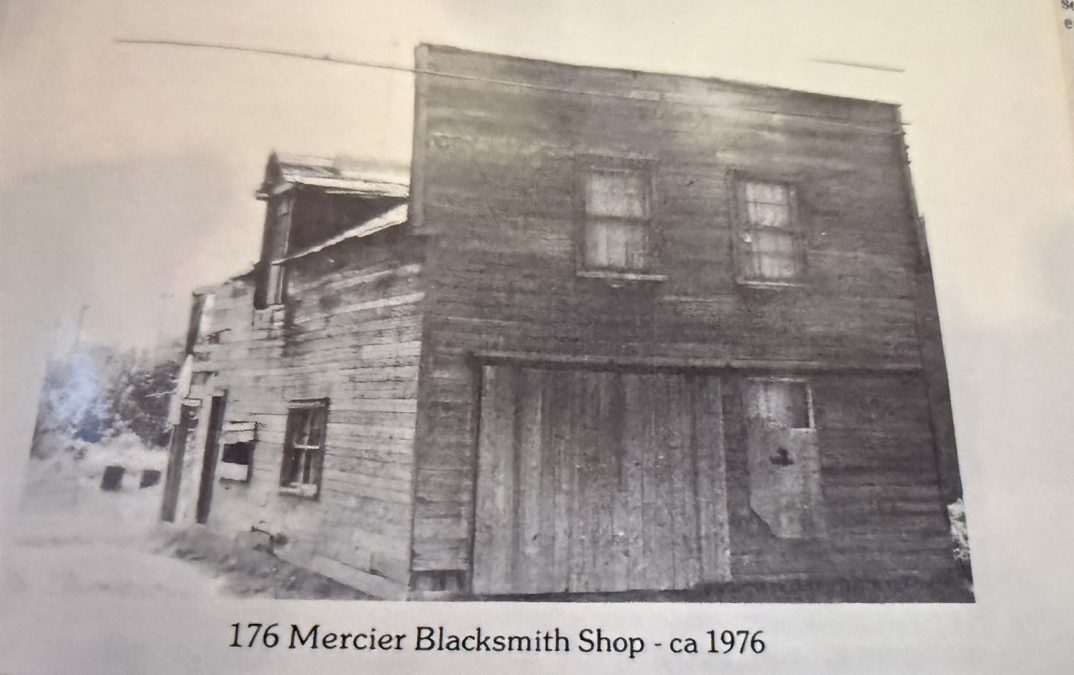
As we boarded our carriage, my uncle noticed the fine craftmanship on the Mercier 173 A. Father explained the Mercier family imported oversized plywood that was steamed and molded using clamps to form the shell of the carriage so there were no joints front to back. They run the only family business model of integrated carriage making and blacksmithing, producing carriages in the winter and cutters/sleighs in the summer, all by hand. They make the steel wheels using a stone round form that’s sunk in the ground in the backyard. The Mercier family would be the longest running carriage business from 1876 to 1965 in Vankleek Hill.
Father, it’s best we get head’in home as it’s dusk. Yes, son.
A full transcript of each talk is recorded on the Vankleek Hill Museum Facebook page.