With rising interest in local food and hands-on rural experiences, agritourism (also known as agrotourism) has blossomed into a key economic driver in Ontario and Québec. According to Horizon Grand View Research (HGVR)—a United States-based market research and consulting firm—the Canadian agritourism industry generated approximately $461 million in 2024, including farm visits, accommodations, direct food sales, and on-site experiences.
The syndicated market report was conducted to analyze the industry’s rapid growth, market potential, and consumer trends to provide data for businesses, investors, and policymakers in agritourism.
HGVR estimates that by 2030, the Canadian agritourism industry could generate more than $955 million, representing a projected compound annual growth rate of 12.9 per cent.
To better understand how agritourism is growing on the ground, local organizations in Eastern Ontario and Québec are working to showcase and connect visitors with farm experiences unique to their regions.
The Eastern Ontario Agri-Food Network (EOAN) is working to expand agritourism in Prescott-Russell and Stormont-Dundas-Glengarry. EOAN Executive Director Eric Collard says the region houses “world-class producers and hidden gems worth discovering, from wineries to themed markets.”
“We have all the pieces here,” he said. “We just need to be a little more focused on where we’d like to go as an industry.”
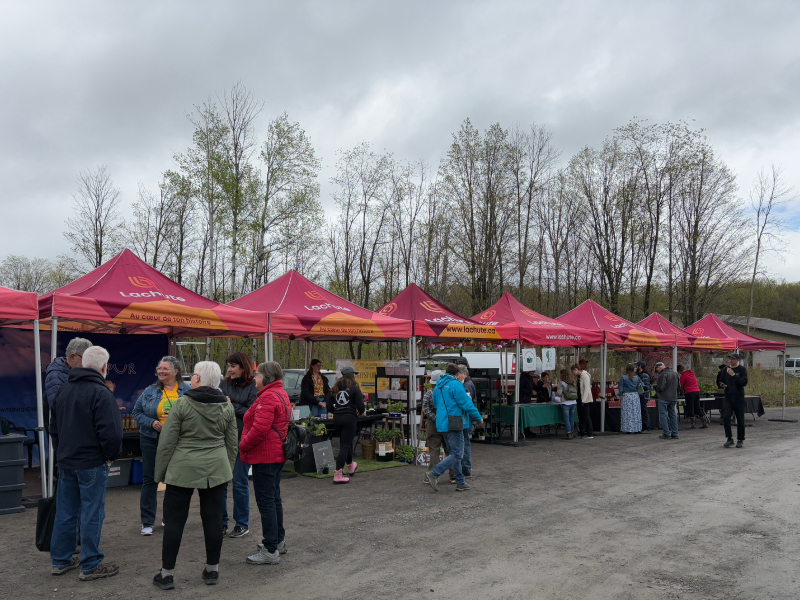
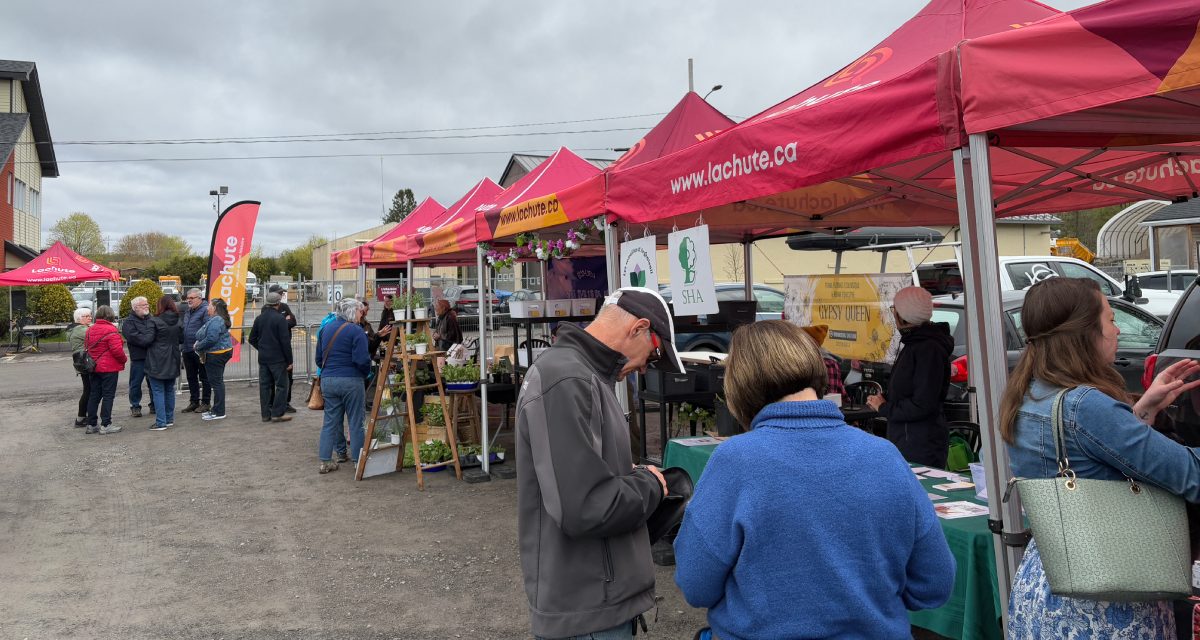
The network encourages day trips from nearby Ottawa and Montréal to showcase the area’s rural lifestyle and connect visitors with the people behind their food. Late summer and fall are the busiest times for agritourism in the region, drawing visitors to markets, on-farm tours, and hands-on experiences.
EOAN’s promotional efforts also connect with other local initiatives such as the Vankleek Hill Business and Merchant Association’s new online Tourism Trail, which highlights farm-related stops alongside shops, restaurants, and cultural attractions throughout the area, helping visitors easily plan day trips that combine agritourism experiences with local shopping and dining.
This push for rural tourism aligns with provincial efforts to strengthen the industry.
Ontario
In 2024, Ontario passed the Growing Agritourism Act, which added a layer of protection for farms with agritourism operations from significant liability insurance costs and potential lawsuits. Agritourism Ontario now has more than 300 member operations, with investments being directed to boosting productivity, growing businesses, and creating jobs.
EOAN supports local producers by helping with campaigns and events, offering online routes for visitors to plan seasonal experiences before making the trip, and allowing families to visit multiple farms in one outing without taking significant time off work. Its website highlights themed routes and seasonal itineraries to help visitors tailor their trips, whether they are looking for pick-your-own orchards, farm-to-table dining, or farmers’ markets.
EOAN also works directly with producers to develop events and marketing campaigns that showcase their products and stories.
“We’ve lost touch with our food system,” Collard added, “and agritourism brings people back to the source, giving families a chance to see where their food comes from.”
This local momentum in Ontario parallels Québec, where the Ministry of Agriculture (QMA) and regional tourism groups are also working to expand agritourism opportunities.
Québec
The QMA encourages producers in the province to also introduce farm visitors to agricultural practices and products.
Agritourism, according to the QMA, is a set of complementary activities that can include farm visits, accommodations, catering, and the sale of agri-food products directly to consumers. The industry also promotes regional strengths, broadens tourism offerings, and enhances the value of farming by bringing customers to producers.
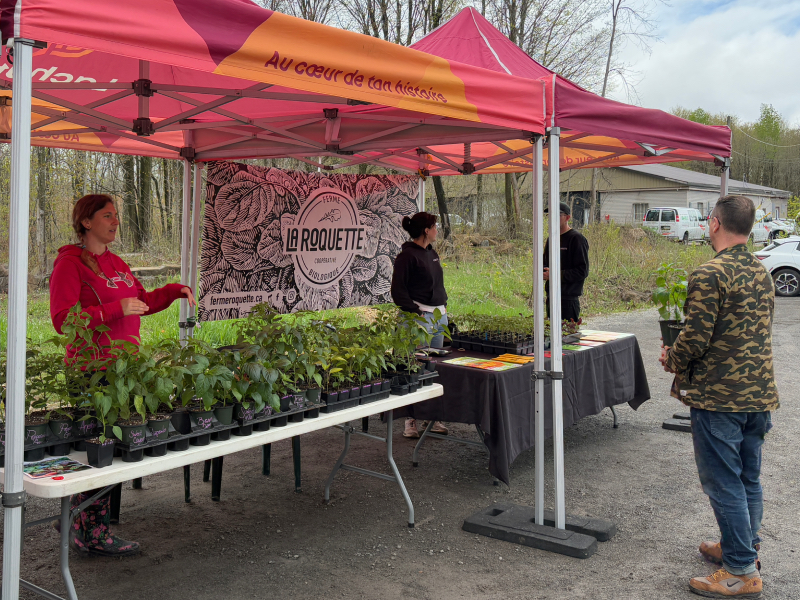
In the lower Laurentians, which includes Argenteuil, Tourisme Laurentides points to orchards, wineries, and artisanal cheese producers as some of the region’s top draws. Seasonal favourites shift throughout the year, from apple-picking in the fall to vineyard tours in summer, and specialty products such as Québec cheeses have become signature attractions.
According to Tourisme Laurentides General Manager Martin Lacelle, there is a strong culture of collaboration in the region, with local producers, restaurants, and markets working together to offer visitors immersive culinary experiences.
Restaurants are increasingly sourcing local ingredients, creating a “mutual support system between producers and the hospitality sector. A food tourism strategy is set to launch this fall to bring more visitors to farms, markets, and countryside experiences unique to the region,” Lacelle said.
Tourisme Laurentides also encourages visitors to explore local agritourism websites before travelling, ensuring they can discover the full range of experiences available and plan their trip to match tastes and interests.