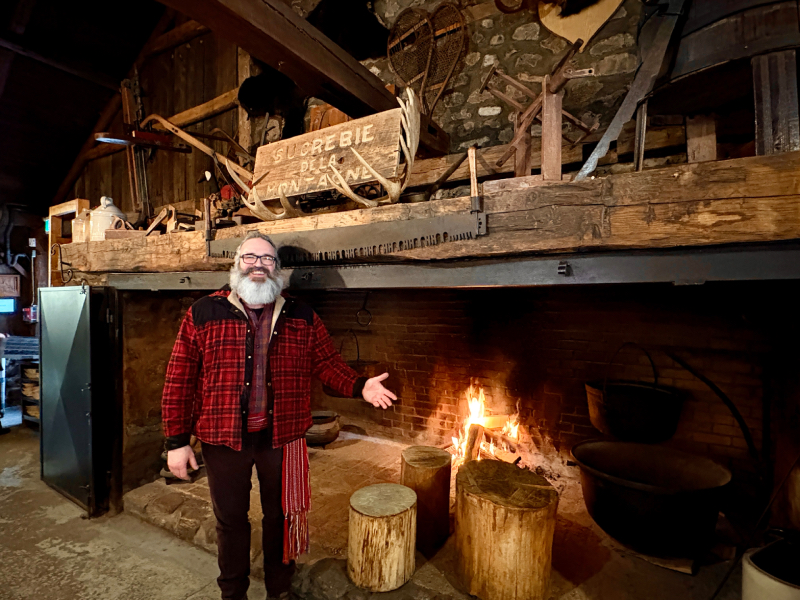
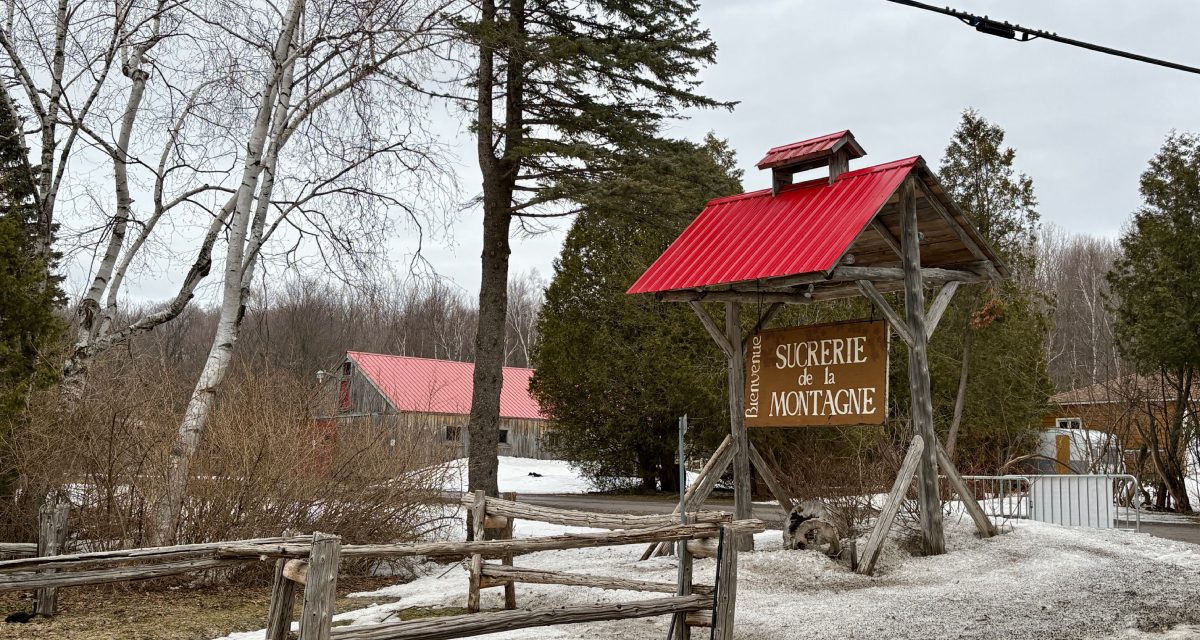
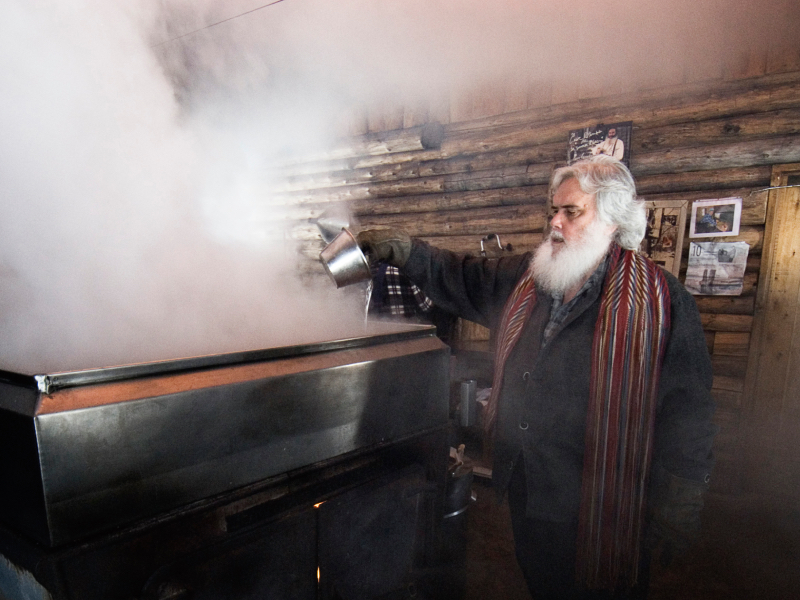
As visitors step into the sugar shack, they’re met with a wave of warm maple vapour, the crackle of a wood fire, and the steady sound of sap boiling into syrup. “It takes you back to the early 1900s,” said Stéfan Faucher, co-owner of Sucrerie de la Montagne.
For this family-run maple operation, that experience is not accidental; it’s intentional.
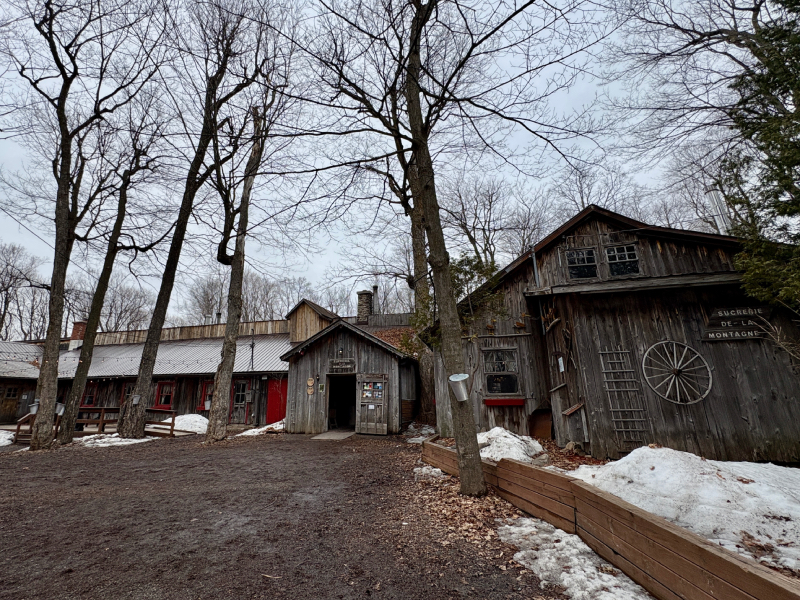
Sucrerie de la Montagne has been designated an official Site du Patrimoine Québécois (Québec Heritage Site), situated amid a 120-acre forest of century-old maples atop Mont Rigaud.
The farm, purchased in 1978 by Stéfan’s parents, Sandra and Pierre Faucher, has roots that stretch back even further. The property was first used for maple production by the Séguin family in the 1930s, beginning as a seasonal gathering place before evolving into a commercial operation by the 1960s.
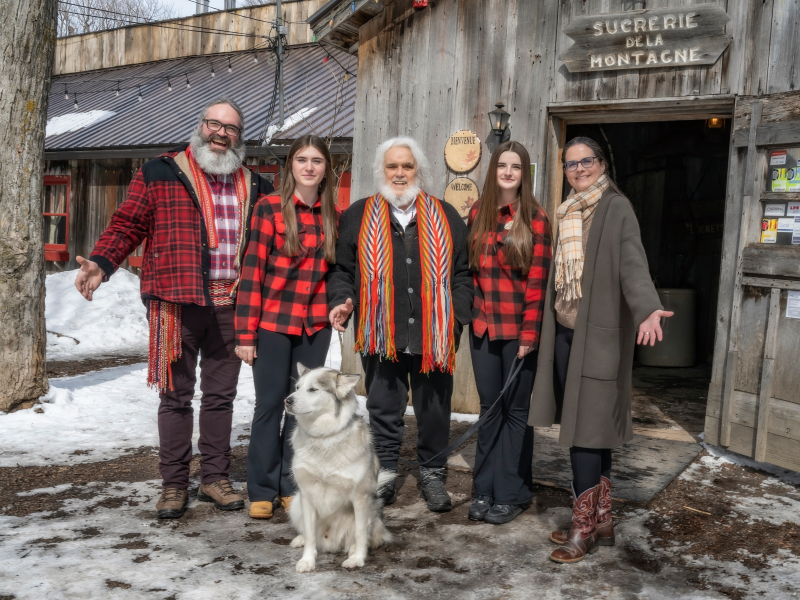
When Sandra and Pierre took over, they brought an entrepreneurial mindset, expanding what began as a small, seasonal operation with about 50 seats into a year-round destination that now includes dining halls, a bakery, and overnight accommodations.
Despite that growth, one thing has remained unchanged: a commitment to traditional production methods.
“We’re trying to create the ambiance and feel of the early 1900s,” Stéfan said. “It’s more work for less production, but it’s not something we want to change.”
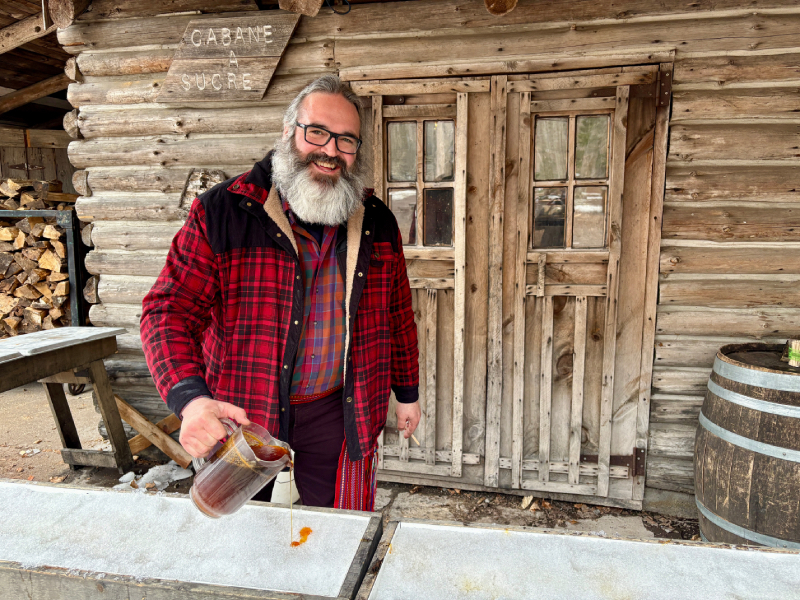
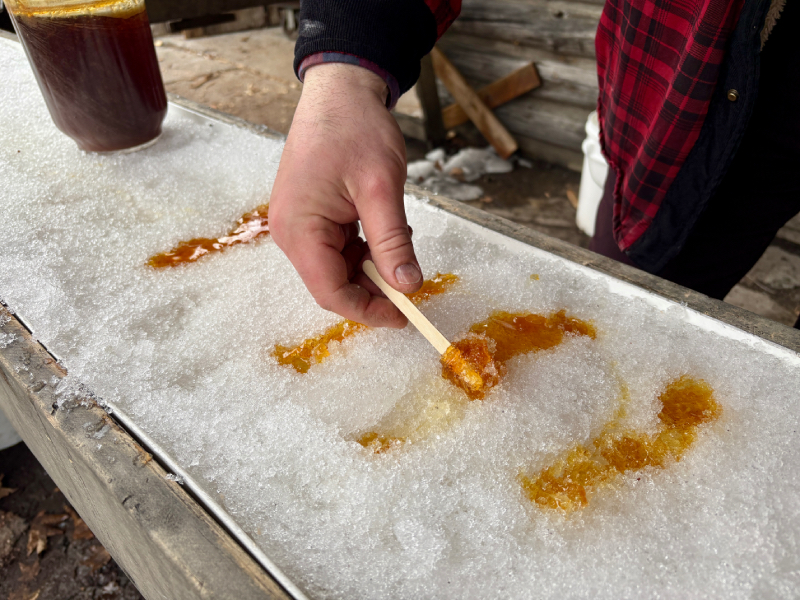
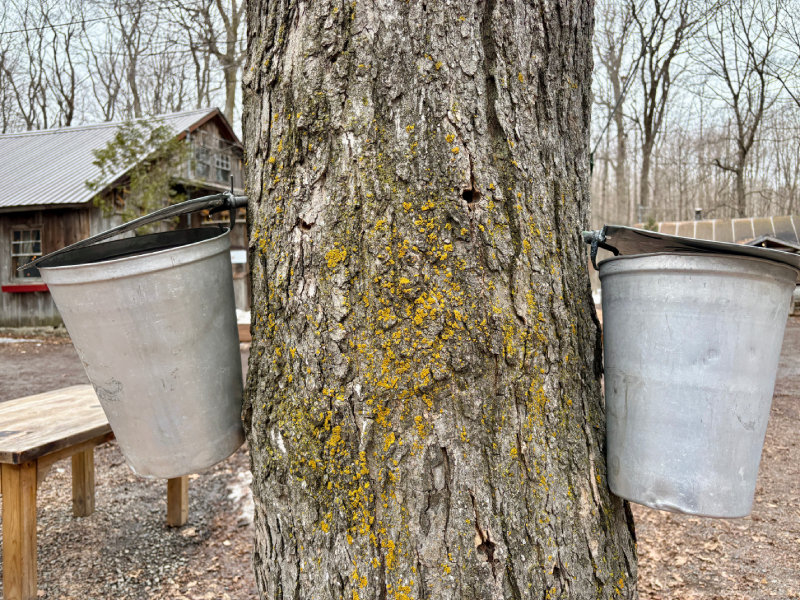
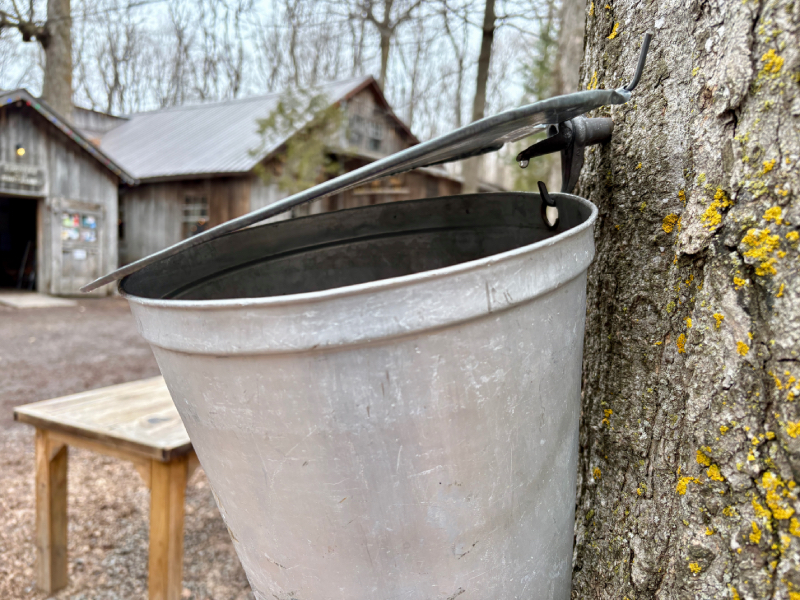
While modern maple producers often rely on plastic tubing systems, the farm continues to collect sap using approximately 2,000 buckets across its maple forest. The syrup is still produced using a wood-fired evaporator, and maple taffy is prepared over a wood stove.
“The wood-fired evaporator and the wood-fired stove are part of the experience, for our guests and for us. We didn’t want to change that,” Stéfan said.
That commitment extends beyond production and into every aspect of the visitor experience.
Guests are welcomed by an outdoor fire before entering the sugar shack, where the smell of boiling sap fills the air. Next door, a wood-fired bakery prepares fresh bread, and, on weekends during peak season, baked goods like cinnamon raisin rolls.
Inside the dining room, the setting is deliberately rustic. Even small details are preserved.
“My dad doesn’t want us to oil the door; he likes the creaking sound. It helps with that ambiance,” Stéfan said.
Meals are served at the table in a family-style format, encouraging guests to share dishes and recreate the communal feel traditionally associated with sugar shack dining. Live music, often featuring a fiddler and guitarist, adds to the atmosphere on busier days.
Over the years, the farm has grown into a destination for both local residents and international visitors. After initially struggling to attract guests outside of peak sugaring season, the family began actively promoting the farm through tourism associations and trade shows in the 1980s. That effort brought in tour groups from across Canada and abroad.
Today, the farm hosts school groups, tour buses, weddings, and overnight guests in cabins located on the property.
While the business has evolved, its foundation remains deeply tied to family. Stéfan grew up on the farm, learning the work at a young age: from making maple taffy at 12 to helping with sap collection and wood preparation as a teenager.
“I grew up playing in these woods, walking with my parents, helping collect wood,” Stéfan said. “My attachment to this place is really strong.”
That connection has shaped how he approaches both the business and its future.
“There’s definitely a responsibility to carry on what was started here,” he said.
Now, the next generation is beginning to take part. Stéfan’s two daughters help on weekends, assisting with tours, the general store, and events, though he emphasizes that their involvement is encouraged, not required.
“My parents didn’t force it on me; they encouraged me. I want to do the same,” Stéfan said.
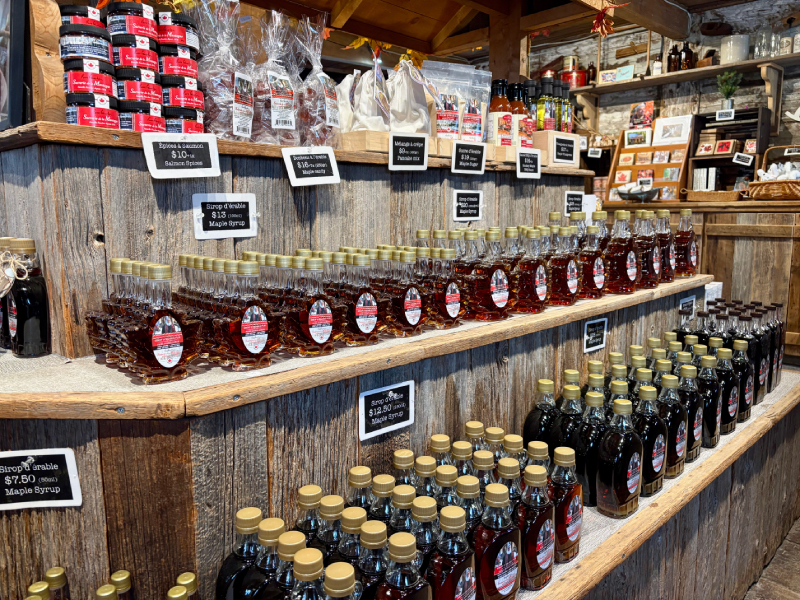
Beyond preserving tradition, the farm also aims to educate visitors about maple syrup production, particularly those experiencing it for the first time.
“It’s still sugar, but it comes from the tree; there’s nothing added. And there are vitamins, minerals, even antioxidants,” Stéfan said.
Stéfan also noted that syrup varies in flavour throughout the season, with lighter syrups produced earlier, and darker, more robust varieties appearing later on.
“Some people think the lighter syrup is the best, others prefer the darker, more intense flavour. They’re both right,” he said.
At its core, the farm is about more than syrup production. It is about maintaining a connection to the land, to tradition, and to the generations who have worked it. For visitors, that connection is felt in the details, from the creak of a door to the scent of wood smoke and maple in the air.
For the family behind it, it’s something worth preserving.
Photos by Philip Oddi: