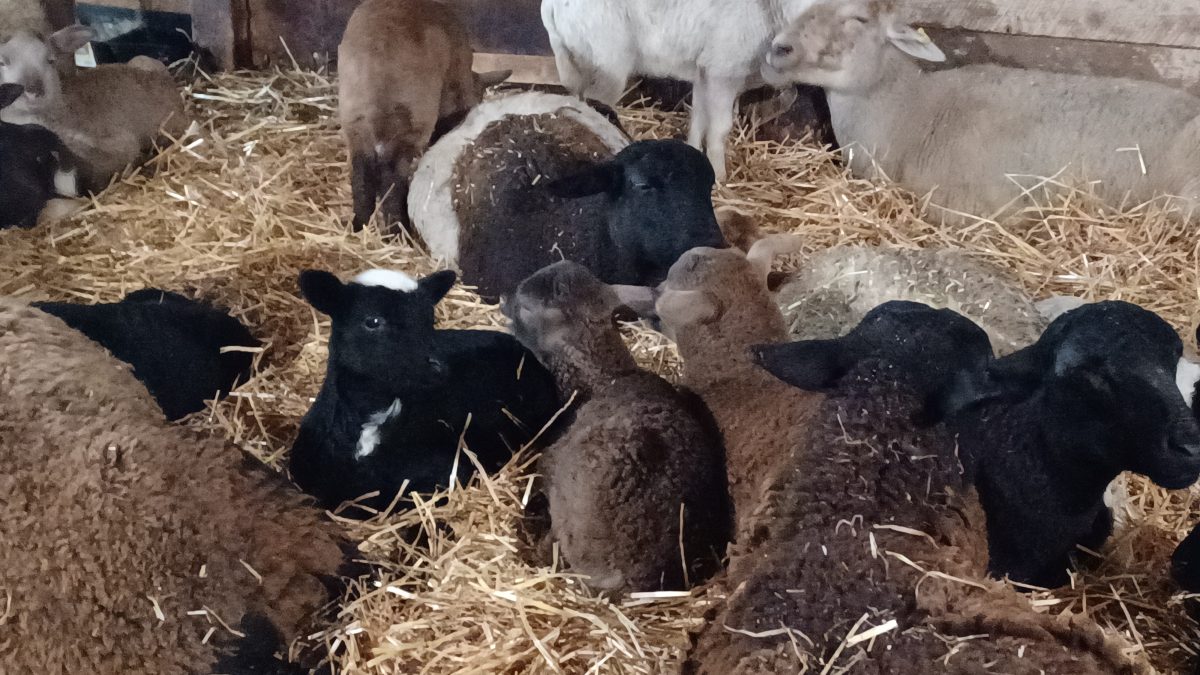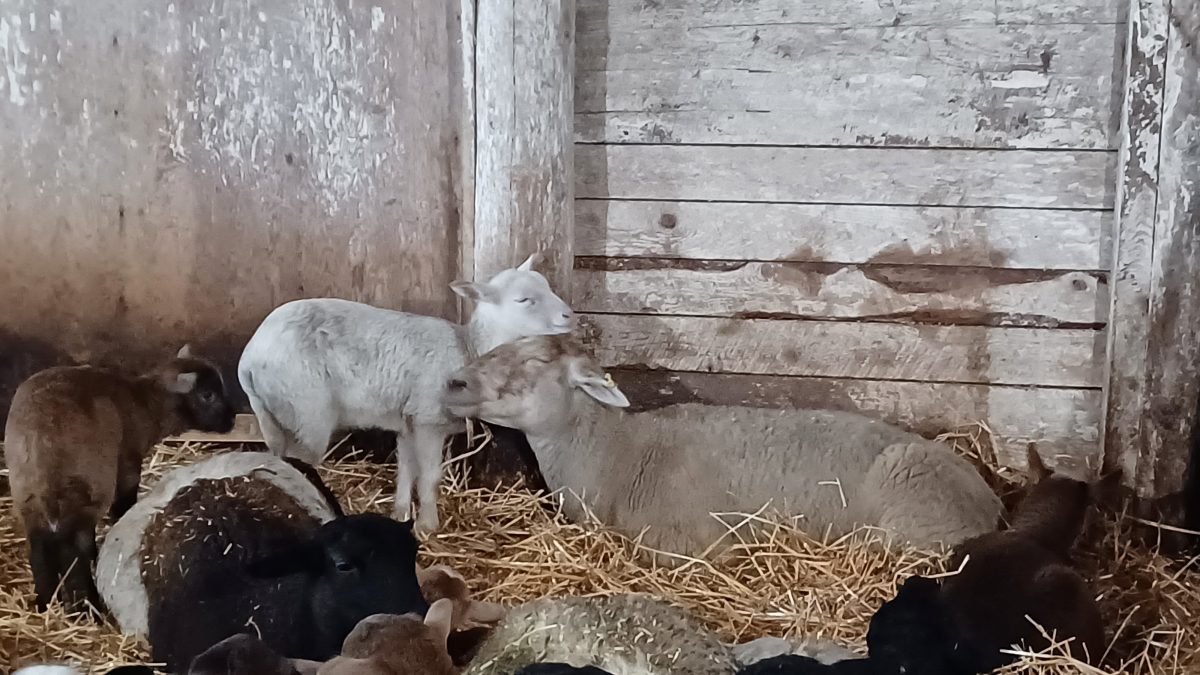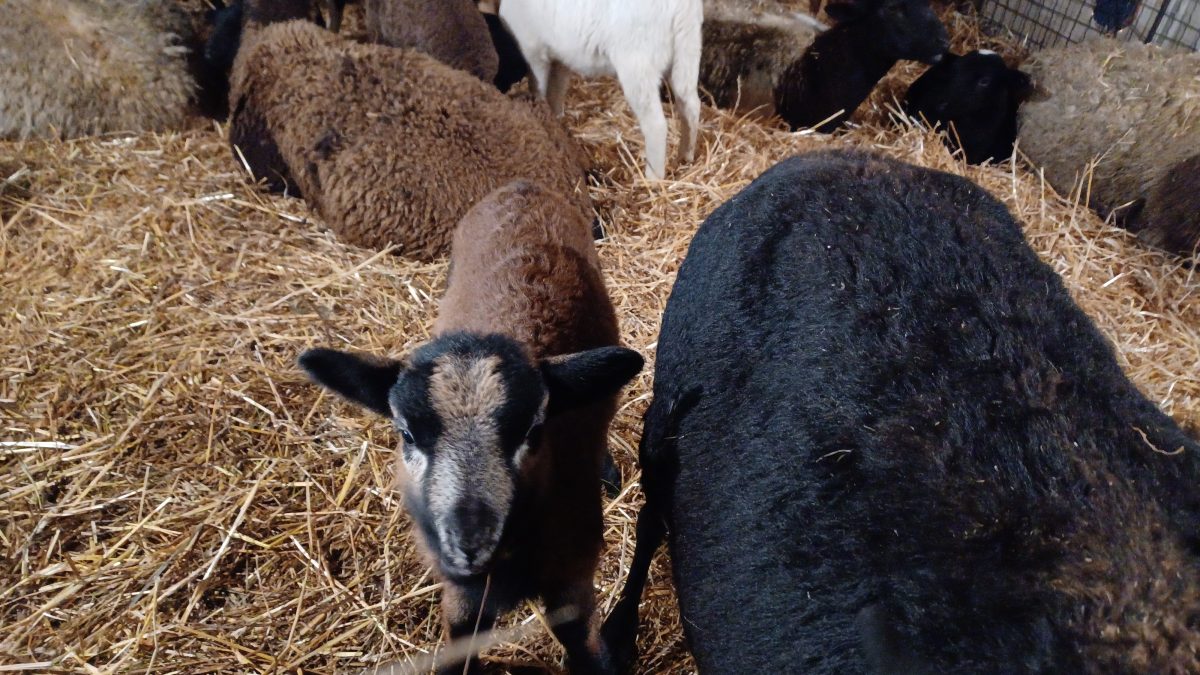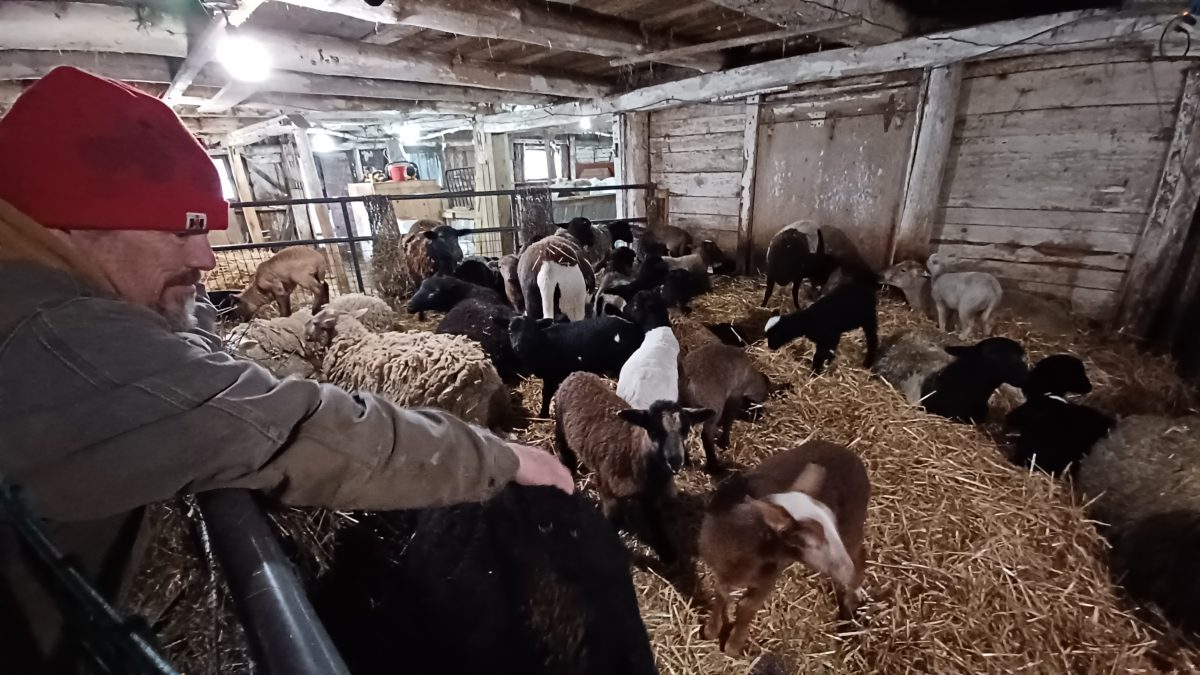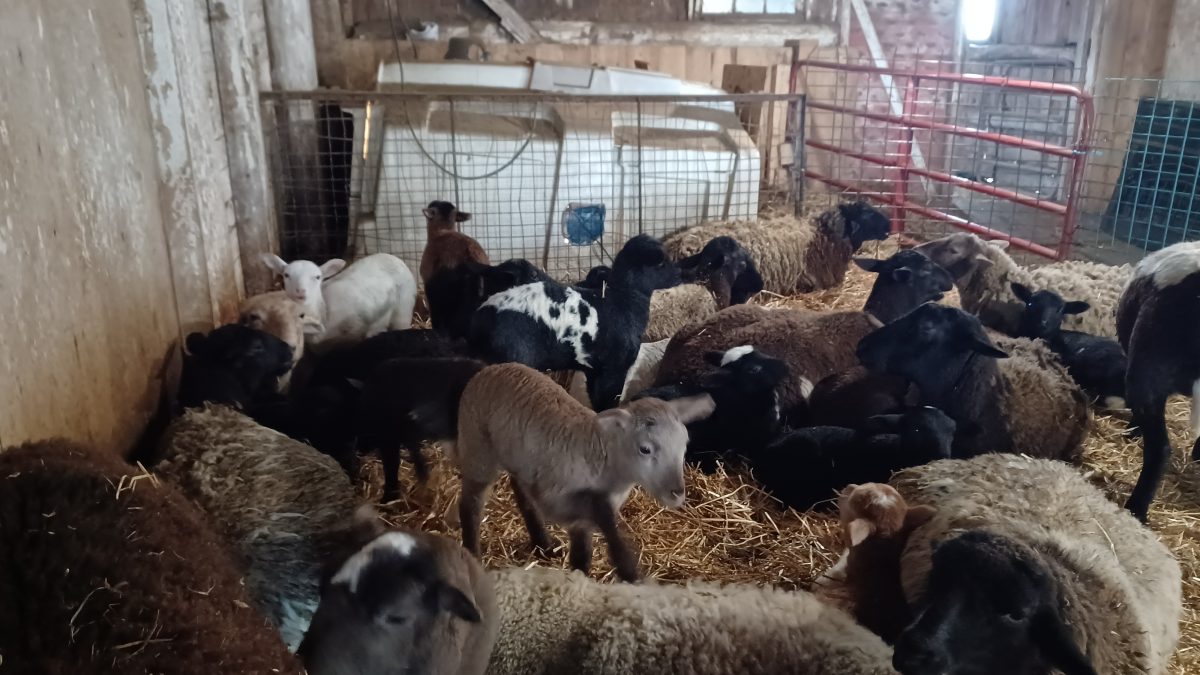
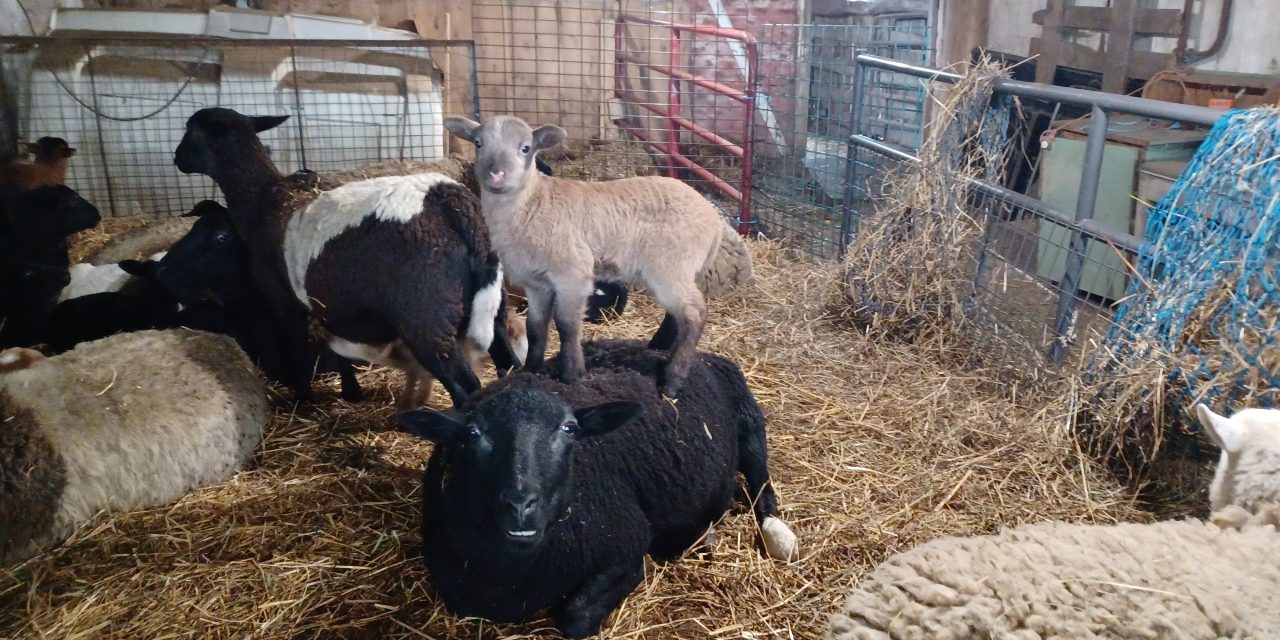
For many seasonal and religious reasons, lambs are often associated with Easter and spring. At Kirkview Farms at Kirkhill between Laggan and Dalkeith, the scene in the barn lives up to those associations. The farm’s flock of Katahdin sheep has been growing because of many lambs being born.
“They’re a great tool to have in the regenerative process,” said farmer Mike MacGillivray, owner of Kirkview Farms, where sustainable, regenerative methods are used. He said the sheep add diversity to the species on the land.
Yes, sheep are fun and cute, but like with many types of livestock, their eventual purpose is for meat.
“The demand for it is very high,” MacGillivray said.
“It’s a healthy meat,” he added, saying it is better than the imported meat from New Zealand and Australia.
MacGillivray said sheep also use land more efficiently. More sheep can occupy one acre of land than beef cattle.
The Katahdin sheep do not grow wool but instead grow hair. MacGillivray said the current market for wool is very poor, which is why the Katahdin sheep are more of an advantage. They molt naturally in the spring and do not need to be shorn like wool-growing breeds. The breed was developed by Michael Piel in Maine between the 1950’s and 1970’s. The breed is named after Mount Katahdin, a well-known mountain in northern Maine.
“They’re a good addition to the farm,” MacGillivray said of the flock. Sheep have been part of Kirkview Farms for the past two years.
During the summer, the Kirkview Katahdin’s help out the neighbours. They graze on the grass between the grapevines at Stonehouse Vineyard on the Lochiel Road.
Along with being a source of farm income, the sheep are entertaining and a source of spiritual insight. They cuddle and play, some stand on top of each other. MacGillivray, who as a sheep farmer is technically a shepherd, said he can see the descriptions and imagery of sheep in the Bible reflected in the behaviour of his flock.
Photos: James Morgan