
There were high hopes for high-speed travel with the Turbo Train, but it was unable to deliver.
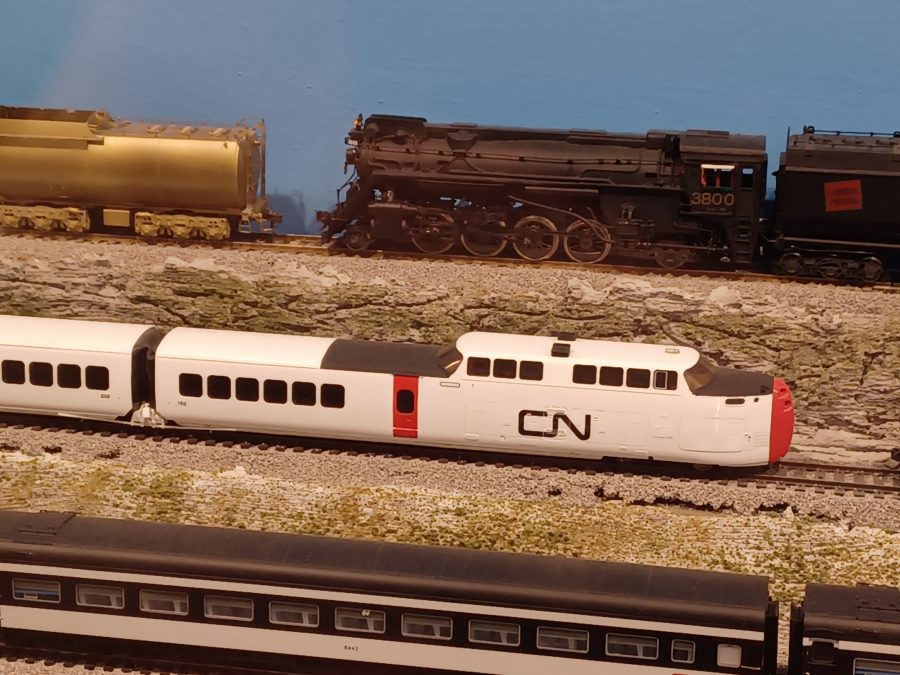
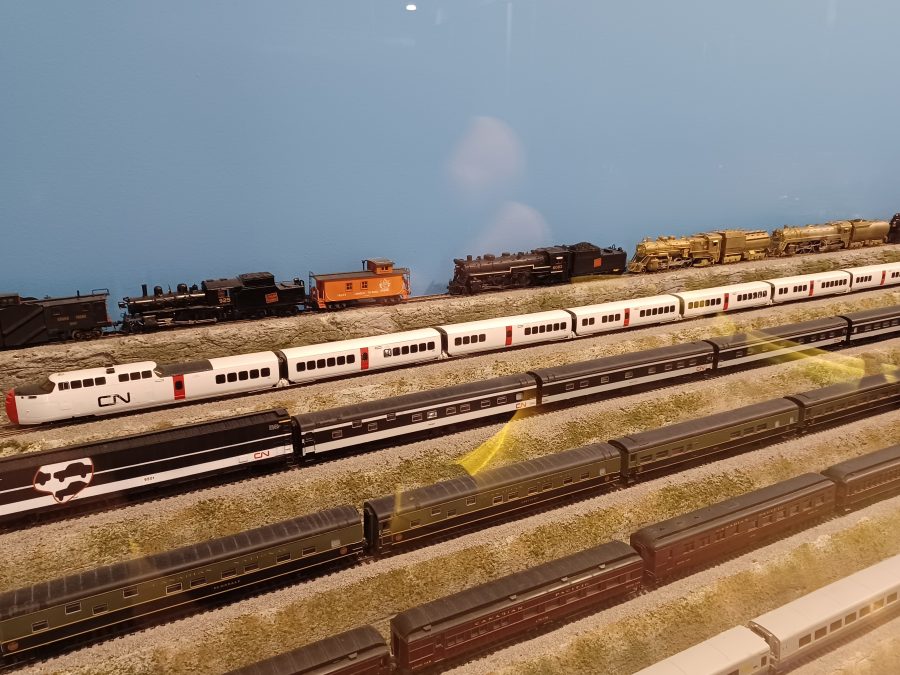
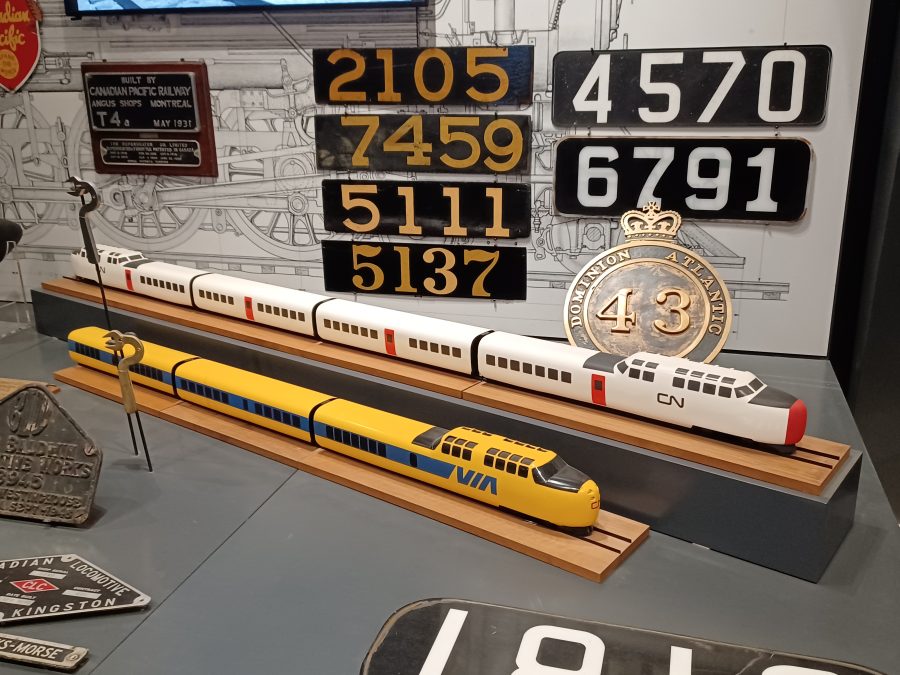
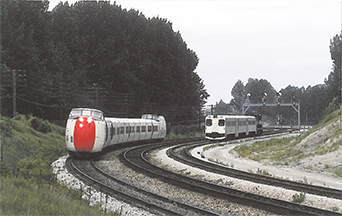
Between 1968 and 1982, the Turbo Train, first under CN and then VIA operation, carried passengers between Montréal and Toronto. Turbo had a gas turbine engine designed and built in Canada by Pratt and Whitney. The design, which closely resembles the fuselage of a jet airliner, was designed by United Aircraft Corporation (UAC). Turbo had no space between cars. Everything was articulated and the train was designed to tilt on curves. It was meant to travel on existing tracks. Turbo was supposed to travel at more than 270 kilometres per hour, but it was limited to 160 kilometres per hour because the tracks it was using were not in good condition or properly designed for high-speed, and it had to slow down for level road crossings.
“The UAC Turbo Train suffered from many problems,” said Jean-Paul Viaud, Curator of Exporail, the Canadian Railway Museum in Saint-Constant, near Montréal.
He said there were too many vibrations while traveling for a comfortable ride from a passenger perspective. Once the first major oil crisis arrived due to conflict in the Middle East in 1973, the turbine engines became too costly to operate.
Turbo shared tracks with CN and CP freight trains. Viaud said those tracks were not configured for high-speed travel. And as for that tilting technology in Turbo, Viaud said it was often defective or inefficient.
That said, CN promoted Turbo as the way for contemporary people to travel. A 1970 promotional film implies Turbo was high-speed rail travel for people on the move who had the money to pay a bit extra for speed and luxury. The film shows well-dressed passengers lounging, conversing, enjoying drinks and cigarettes while speeding through the countryside between Canada’s two largest cities. A whole section of the film even highlights the fashion design of Turbo employees’ uniforms, and the specially prepared meals passengers could eat while traveling.
Meals and fashionably dressed employees aside, Viaud said that overall, Turbo had too many maintenance problems and was not very reliable.
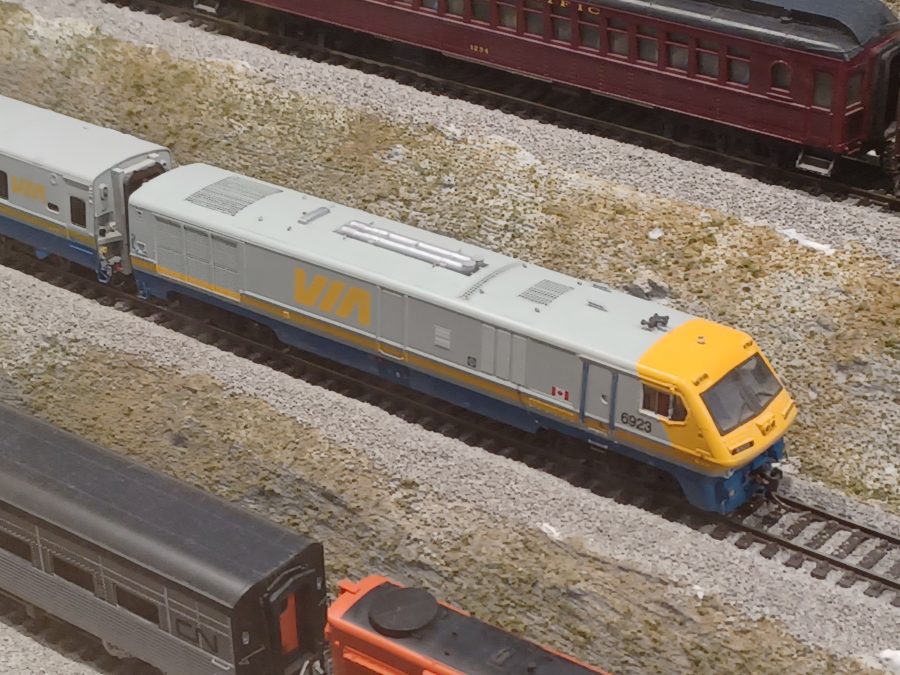
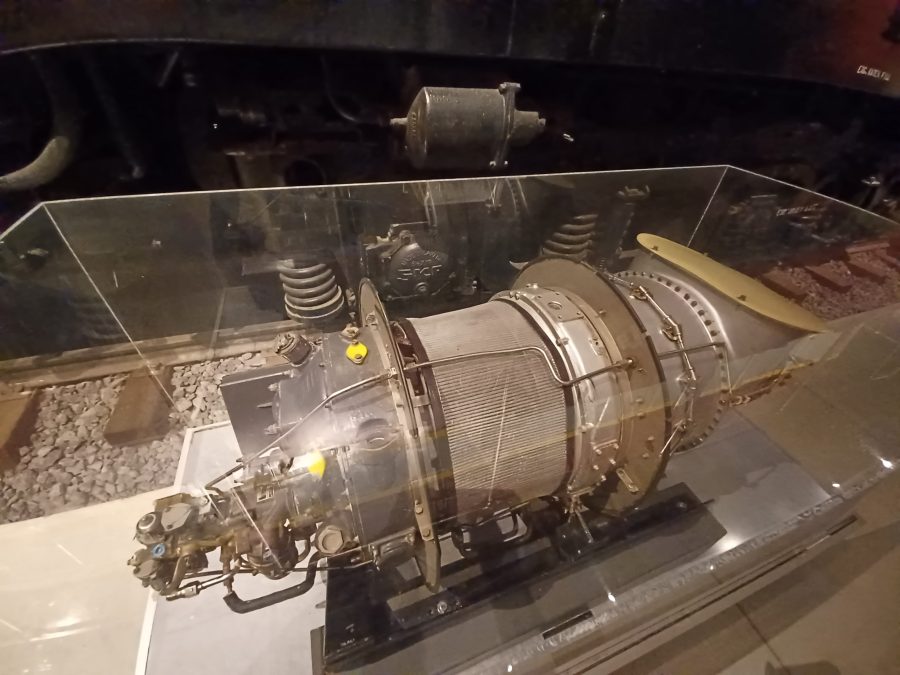
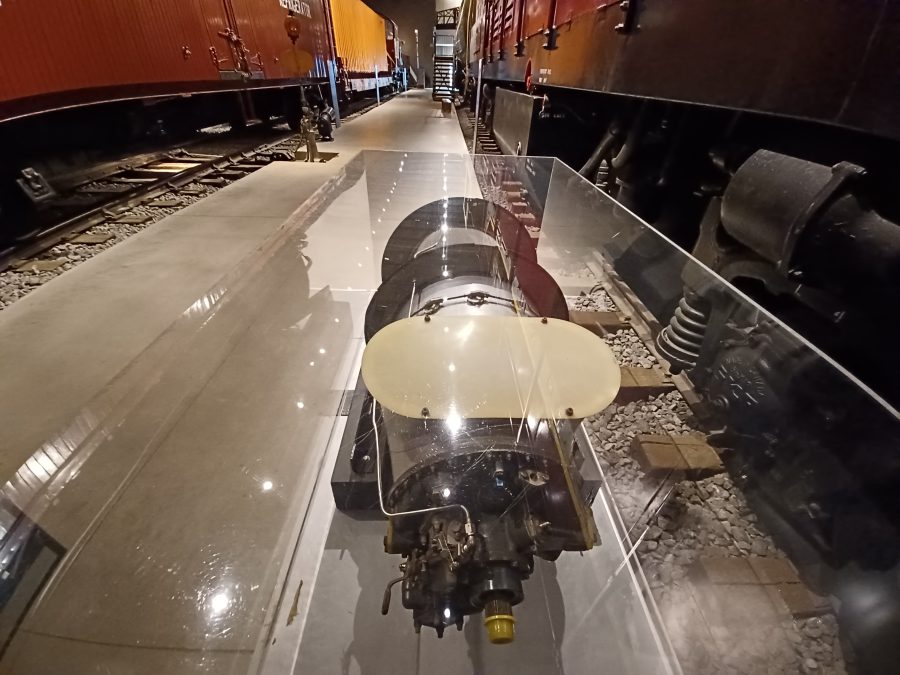
No Turbo trains were saved for museum preservation. Only HO scale models remain. However, one of the PT-6 turbine engines is on display under glass at Exporail. Viaud said the engines were also used in aircraft and naval patrol boats, and more than 50,000 of them have been produced since the early 1960’s. He said the engine was probably the most successful part of Turbo.
“In a way, the UAC Turbotrain failed but not its Canadian designed motive power.”
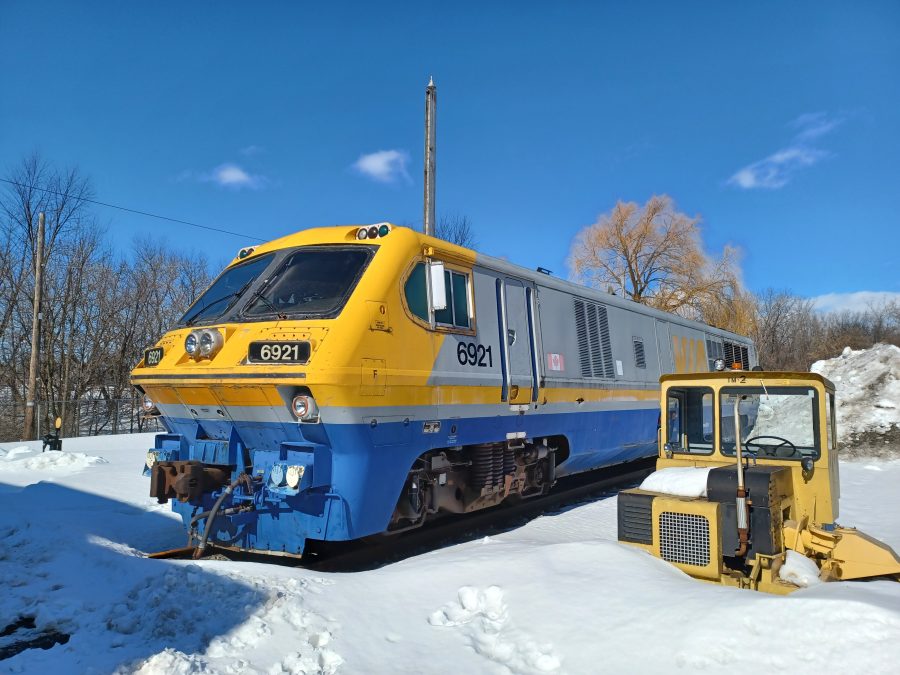
In the early 1980’s, VIA began using the lightweight LRC locomotives, made by Montréal Locomotive Works and Bombardier. LRC cars are still in use today, but at more than 40 years old, are being replaced.
Viaud said it makes sense Alto is proposing to connect Toronto to Québec City because of the population base and proximity to major airport connections.
“Even today, the Québec-Toronto corridor is the best one to successfully demonstrate high-speed train service in Canada. It’s also the most rentable corridor for airlines, mainly on its Montréal-Toronto section. Thus, one of the keys to success of the Alto project is to get airlines on board. It is no surprise then that Air Canada is part of the Cadence team selected to drive the Alto Train project,” he commented.
However, Viaud said that for high-speed rail to be effective, separate, dedicated tracks are a must.
An electrically powered train on dedicated high-speed trackage with real “high-speed” design (300 km/h rather than 160 km/h) are the technical prerequisite for success beside public acceptance and political/financial support for high-speed intercity travel on mid-distance corridors,” he said.
Photos: James Morgan