

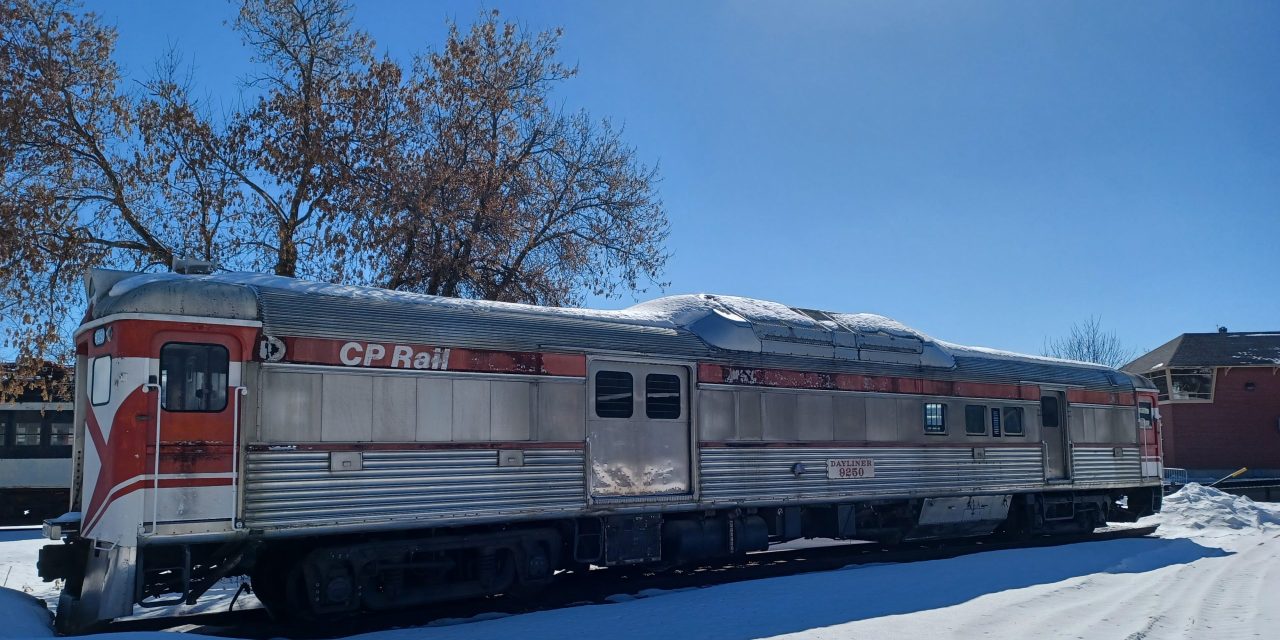
While the debate over the proposed Alto high-speed rail line continues, the federal government’s attempt to establish high-speed passenger rail transportation in Canada’s most populated regions is just another development in a cycle of development and decline that has characterized passenger train travel in Canada since the British colonial days.
The passenger rail service Canada has through VIA Rail today is a mere shadow of what the entire country once had. A look at past successes in passenger rail in Canada, which were allowed to disappear through a series of government and corporate decisions, gives the impression that the Alto project is an attempt to reclaim some of what was lost. However, once something is gone, it is often difficult to get it back.
Early passenger rail service in Canada was limited to fairly short, and localized lines like the Champlain and St. Lawrence Railway near Montréal, the Great Western Railway in southwestern Ontario, or the Intercolonial Railway which connected Ontario and Québec to the Maritimes. Once the Canadian Pacific Railway (CPR or CP) was completed in 1885, passenger service existed from coast-to-coast and along branch lines across the country. By 1923, several smaller railroads had been incorporated into the Canadian National Railway, (CNR or CN), and a second passenger service existed across the country, providing access to nearly all parts of Canada except for the northern territories.
Short-distance passenger rail transportation for city dwellers entered its heyday during the early Twentieth Century. Radial railways, called that because they radiated from city centres out to suburbs and nearby small towns, provided easy access to and from work and shopping for downtowners and suburbanites alike. During the 1920s, Sir Adam Beck, the first Chairman of Ontario Hydro, attempted to consolidate existing radial railways across Southern Ontario and develop a network of electrified radial lines. However, that plan was never realized because of political opposition and financial challenges.
The train was the way to go for long-distance travel in Canada well into the Twentieth Century. Air travel was primitive, limited, or too expensive for most Canadians. The Trans-Canada Highway as we know it today was not complete until 1962 and some sections were unpaved until 1971. Yet it ended up being aircraft and automobiles that contributed to the downfall of passenger rail in Canada. Ridership declined during the 1960s and into the 1970s because of good highways and affordable air travel. By 1978, both CP and CN were out of the passenger train business, and the service was taken over by VIA Rail, a federal crown corporation. Not even the short-lived Turbo high-speed trains or Rapido service pulled by the LRC locomotives of the 1980s could succeed in the populous Windsor to Québec City corridor, where freight trains were—and still are given priority, and the traffic on the 401 or 20 ironically looked more appealing.
Through the 1980s and 1990s, the federal government, both led by Conservatives and Liberals, reduced funding for VIA Rail. Passenger trains disappeared completely from Newfoundland and Prince Edward Island. The transcontinental “Canadian” service switched from its historic CP tracks to CN tracks, eliminating passenger train access to entire cities. Entire VIA branch lines were discontinued entirely in Southern Ontario and Québec, leading to the diminished state of passenger rail service in Canada today.
To learn more about the passenger rail service that Canada once had, visit Exporail, the Canadian Railway Museum in Saint-Constant near Montréal https://exporail.org/en/home/, or the Railway Museum of Eastern Ontario in Smiths Falls (open seasonally) https://rmeo.org/.
Photos from Exporail: James Morgan
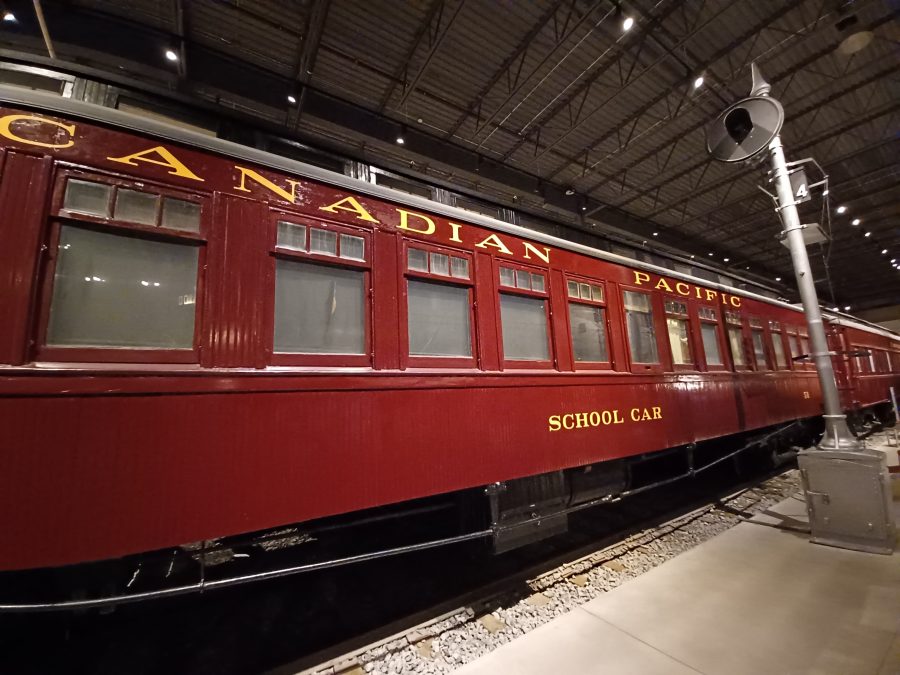
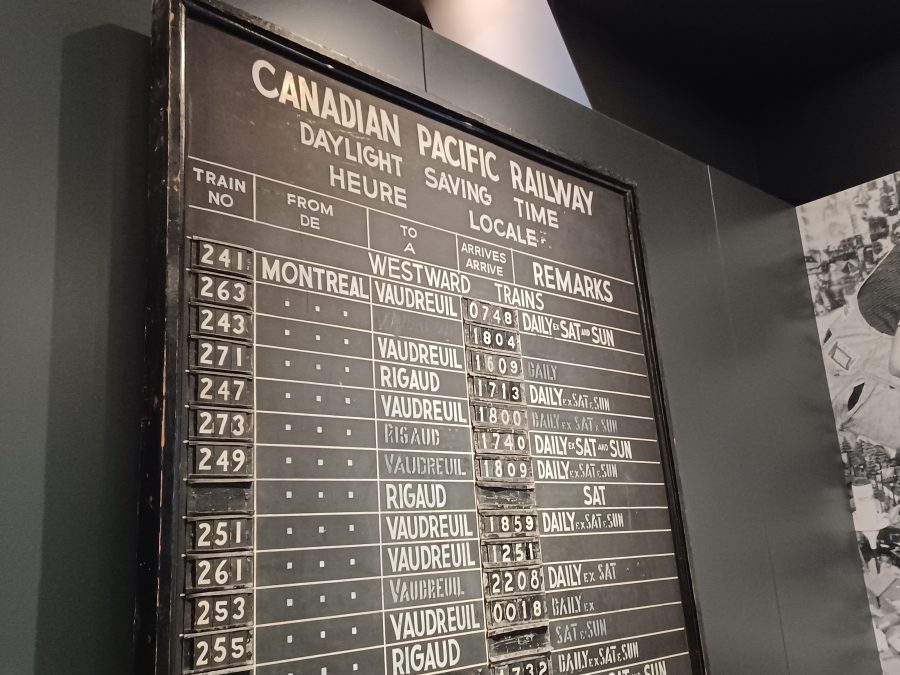
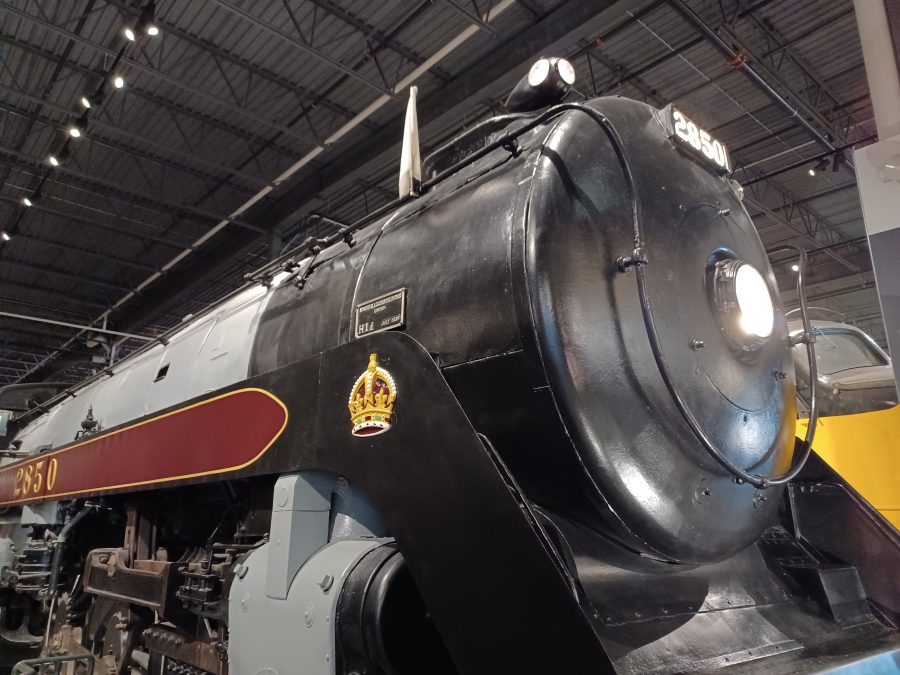
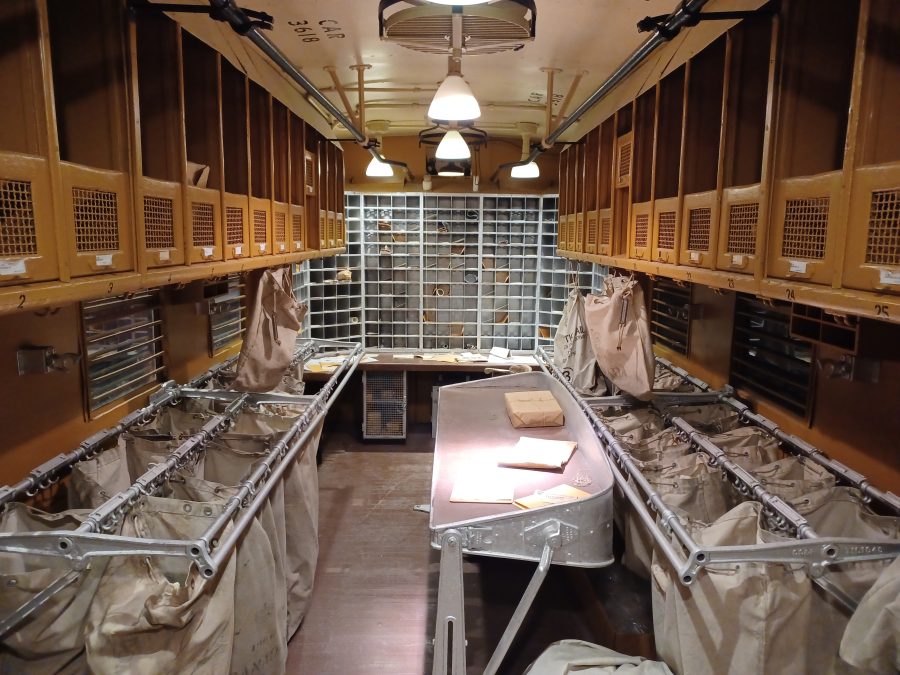
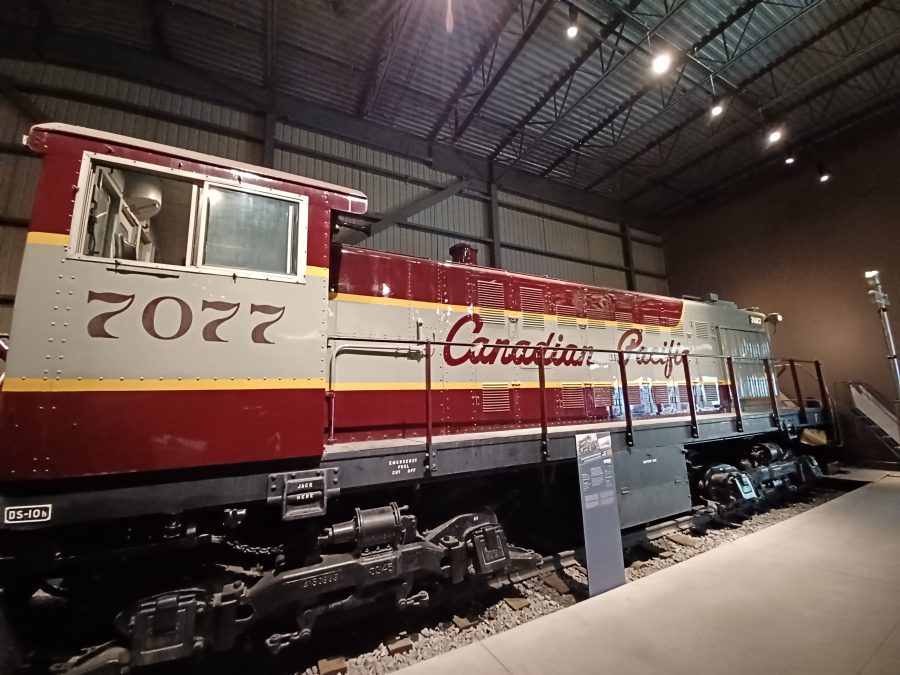
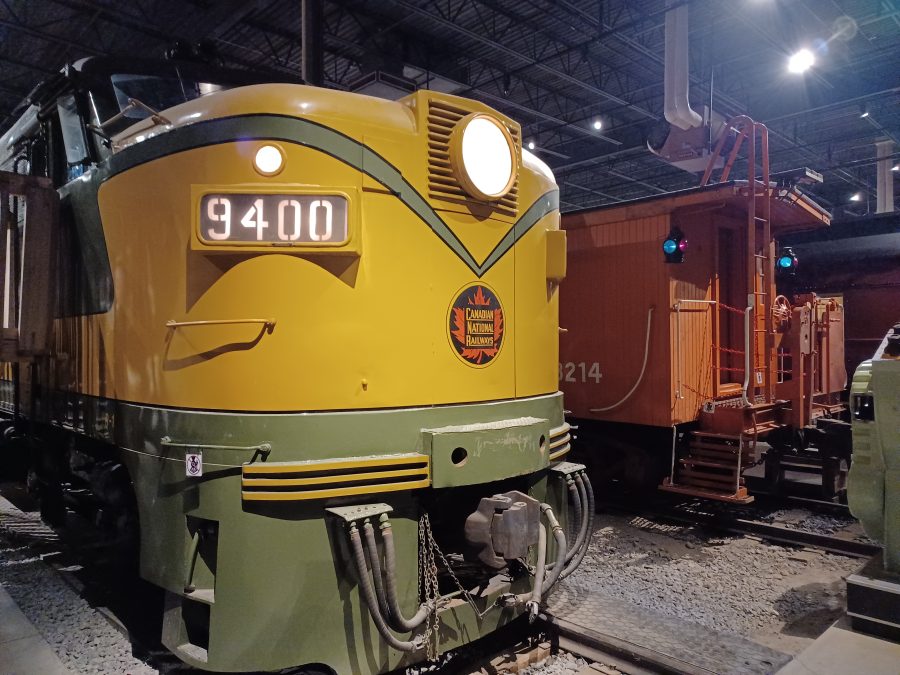

In light of the Alto project, it’s too bad that the many branch lines that crisscrossed Ontario no longer exist. Urban Transit systems, such as Toronto’s subway, owe their success to the overall systems feeder network, mostly of bus routes. Over 80% of such ridership does NOT live close to the rapid service of the subway.
In the case of Alto, a system of short line feeder services to the stops that will exist could provide substantial ridership opportunities. It could be very beneficial for the overall system if it could be implemented with modern versions of the Budd RDC where tracks have survived or coul be added where economical.