

In the spirit of celebrating the women in our communities for International Women’s Day on March 8, The Review spoke to some of the region’s elected women to gather their perspectives on being women in politics. Member of Parliament (MP) for Prescott-Russell-Cumberland Giovanna Mingarelli, Argenteuil Member of the National Assembly of Québec Agnès Grondin, Mayor of Harrington Township Gabrielle Parr, and North Glengarry Deputy Mayor Carma Williams, share their realities and hopeful advice to young women considering a path in politics.
Inspirations, Goals, and Ambitions
Mingarelli said she was first introduced to politics as a co-op student at 16. “At the time, I thought politics was the worst profession. I was lucky to have Marlene Catterall, a former Chief Government Whip, as my mentor.”
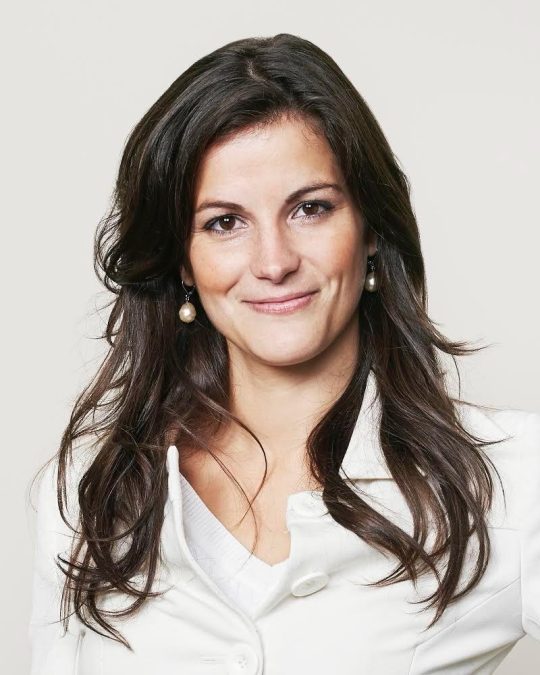
Mingarelli described her entry into politics as ultimately aligning with her goal of making laws, despite originally wanting to become a lawyer. She emphasized meaningful change for women will not happen unless more women run for office, regardless of the level of government: “Politics is not a walk in the park, but without young women, we won’t be able to create the conditions we want. I am focused on caring about people, and politics lets you help the most people.”
Grondin said her inspiration came from numerous dedicated women in the community, including Deedee Shipton, Marlene Dagenais, and Melanie Wilson. Grondin said, “It is very important to have diversity at the decision-making table, including age, gender, work experience, and so on. What I observed is that women’s approach to address or resolve issues naturally tends to unify, search for consensus or a compromise, and I think it brings an essential diversity in politics having women at the table.”

Grondin said her initial entry into politics stemmed from concerns about environmental decisions made at the provincial level. “I decided to run to see if I could have a positive impact on those decisions. Additionally, for any women seeking to enter politics, I would let them know that my experience has been very positive and reassure them that they are strong and competent enough to become our future leaders.”
Parr said her entry into politics stemmed from dissatisfaction with the status quo: “I never considered entering municipal politics until I was encouraged to do so by the mayor at the time, in 2013. My experiences as a businesswoman, wife, mother, and volunteer influenced my decision the most. As Mayor, you quickly learn that consensus requires clarity, communication, and empathy.”
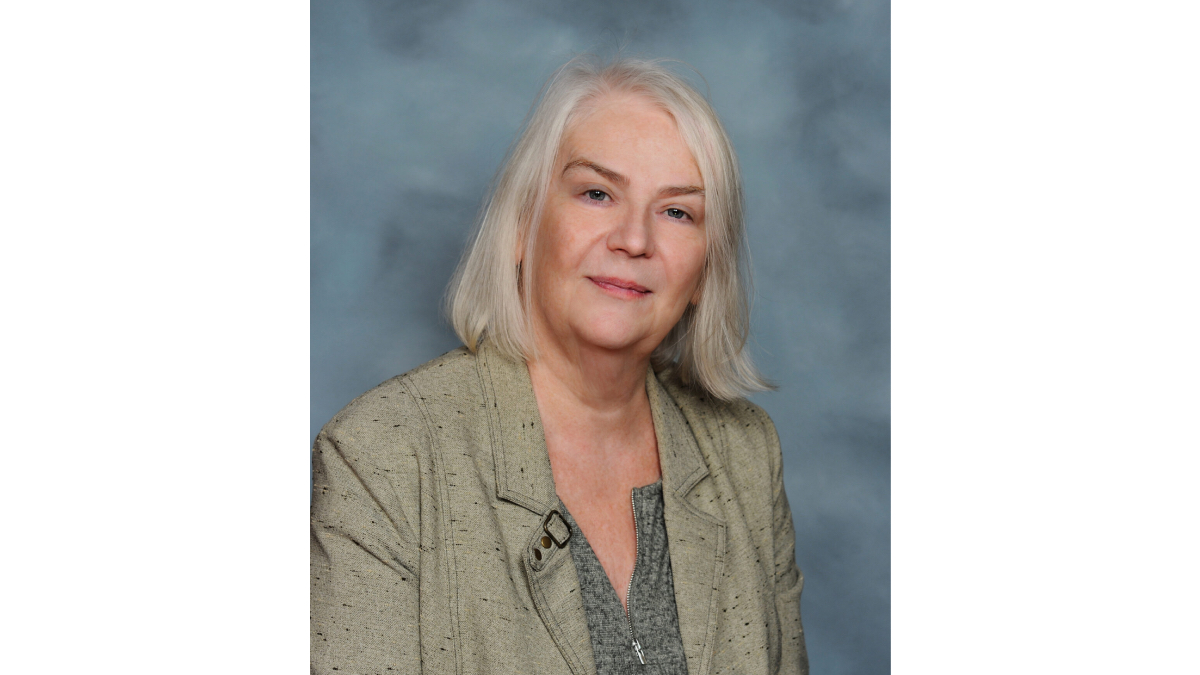
Parr did not cite specific personal inspirations for running for mayor but emphasized that women must be present at decision-making tables to ensure balance.
“What matters most is diversity of expertise and perspective. Today, many women work in fields traditionally dominated by men, and their decisions are grounded in the same professional standards and experiences as their male counterparts. A well-rounded table—rich in varied backgrounds and insights—leads to stronger governance,” Parr said.
Williams highlighted that “There is definitely a climate of incivility in the political world right now, so women can be forgiven if they choose not to have anything to do with that kind of destructive behaviour. However, it is possible to operate in the political world with positivity and dignity, and that is the trait that many women can and do bring to the council table every day.”
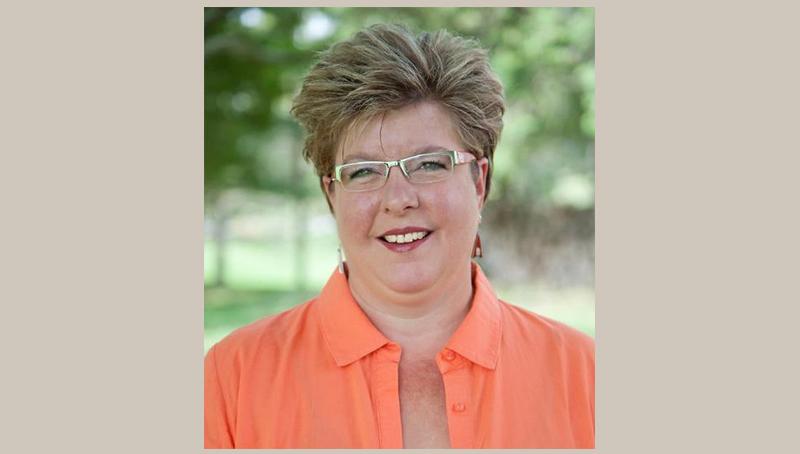
After Williams started her mobile salon business and joined the Maxville and District Chamber of Commerce, she worked her way through volunteer roles and was eventually seen as a leader. “I was often asked to join a board or chair a committee. This kind of experience provided me with an excellent foundation for a career in politics. I was prepared and confident, and I knew I could manage the challenges that may come from being a woman.”
Realities and Impacts
Mingarelli emphasized that “You can be happy in politics. I’m super happy in my job, but you need courage to believe in yourself, and thick skin. The framework of politics can look ugly from the outside, but once you’re in, lovely people are doing real work.”
“Parliament wasn’t designed for women,” Mingarelli said. “It wasn’t out of malice, but because women weren’t there. When women are in power, though, legislation becomes more supportive of families and real life.”
Mingarelli still encourages women to enter the political spectrum, even though “men feel entitled to leadership. Women feel they must earn it ten times over.” She also noted that she was prepared to be attacked on her appearance, since women tend to be judged more on their looks in politics than men, “but it never happened. The times are changing on the Hill—and that’s good news for young women. Take, for example, the 50-50 cabinet in 2015, which changed expectations: not just in Canada, but internationally. Equal representation was achieved and shows it is possible.”
Grondin also refuses to participate in that dynamic. “There is far more scrutiny towards women regarding appearance, tone, and family life. I refuse to play.”
“It can be more difficult for women who tend to be, more often than not, the primary caregivers to the family, so scheduling is a very important process to be efficient both at home and at work,” Grondin said, speaking to the realities of being an elected woman in politics.
Grondin noted, “I had to learn to put limits to be able to have time with my family, and I had to impose a policy of respect and civility because comments can be very misogynistic if left unchecked.” Despite these challenges, Grondin said significant progress has come from women being involved in the decision-making process.
“Québec’s daycare system allows women to enter the workforce earlier and more often. Additionally, because of women in politics, we continue to combat domestic violence and sexual exploitation, particularly against minors, through legal protections, victim support, and strengthened police and judicial interventions,” Grondin concluded.
Parr echoes these sentiments, saying, “Family support is absolutely essential. Political life requires availability and flexibility, and that commitment inevitably affects home, business, and social life. Having the understanding and encouragement of those closest to you makes a significant difference.”
“Developing resilience as a woman in politics is essential. Unfortunately, identical behaviours are often interpreted differently depending on whether they are exhibited by a man or a woman. A quiet man may be described as calm and strong, while a quiet woman may be labelled distant,” Parr said.
Parr noted that important progress has been made in labour standards to address inequities that historically affected women, through “strengthening employment protections, expanding maternity rights, and extending comparable parental rights to fathers, all of which have significantly improved the ability of families to balance home and work responsibilities.”
In Williams’ experience, women have consistently had to work harder than men. “In a political world where perception is reality, women are faced with having to overcome perceived historical biases that men simply don’t face. For example, in my grandmother’s time, women didn’t see themselves as ‘leaders’ or ‘political’; it simply wasn’t done.
“A political decision-making body that is not represented equally (or somewhat equally) by both men and women is lacking balance. This potential imbalance can show up in various ways: women and men perceive issues differently, problem solve differently, and make decisions differently,” Williams said. “If women simply aren’t at the table, it is inevitable that, regardless of the final decision, it will lack the female perspective. I see this as an ongoing problem in politics across the country.”
Williams concluded, “Scrutiny does differ for women in politics. I made sure that I was prepared and managed my tone carefully. My challenges were ensuring that I would not be marginalized because I was a woman, commanding the respect of my peers without appearing overly aggressive and avoiding being ignored. Issues surrounding appearance and family life are very real for women. This double standard is not acceptable and should not be tolerated by any political party.”
