

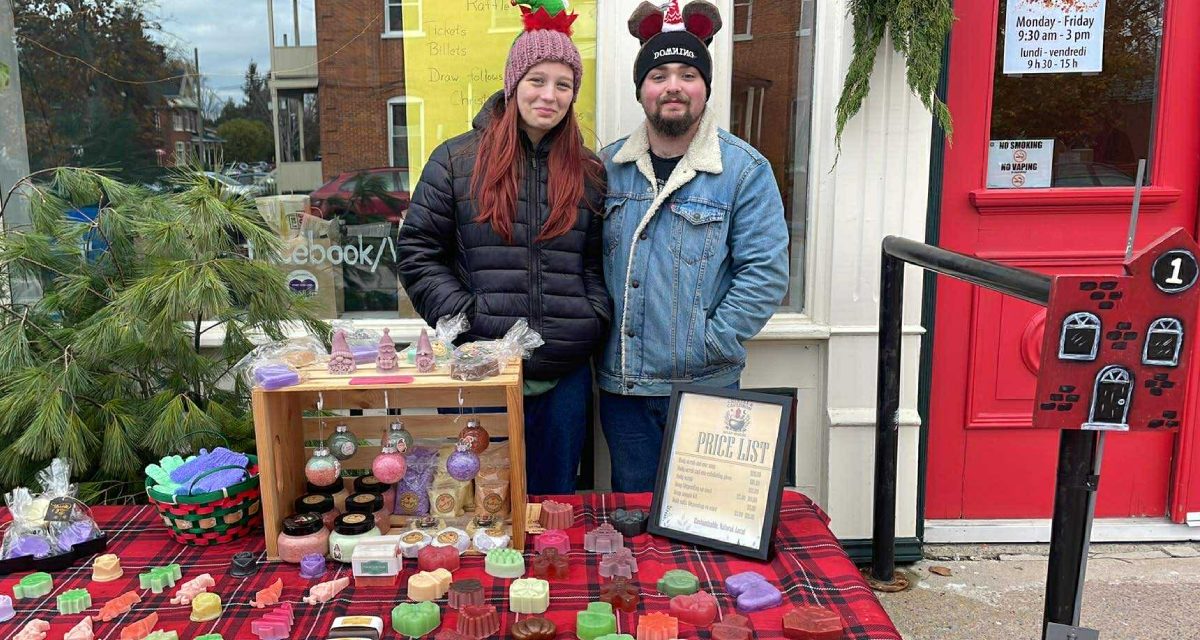
As communities around the world mark International Women’s Day on Sunday, March 8, local women entrepreneurs continue to shape the regional economy by building businesses, creating jobs, and challenging long-standing barriers in traditionally male-dominated industries. Local entrepreneurs like Élisabeth Arbaud, Montanna Bigelow, Anjou Forgues-Fontaine, and Carole Muise spoke with The Review about how they carved out space for themselves to pursue entrepreneurship.
Inspiration and Beginnings
Arbaud, owner of CàB Café in Chute-à-Blondeau, said the community inspired her to open the café after arriving in the region in June 2021. “The area felt like home, and straight away, I fell in love with the place and people.”
Arbaud explained that Chute-à-Blondeau lacked a central gathering space, with many telling her they did not really know their own neighbours.
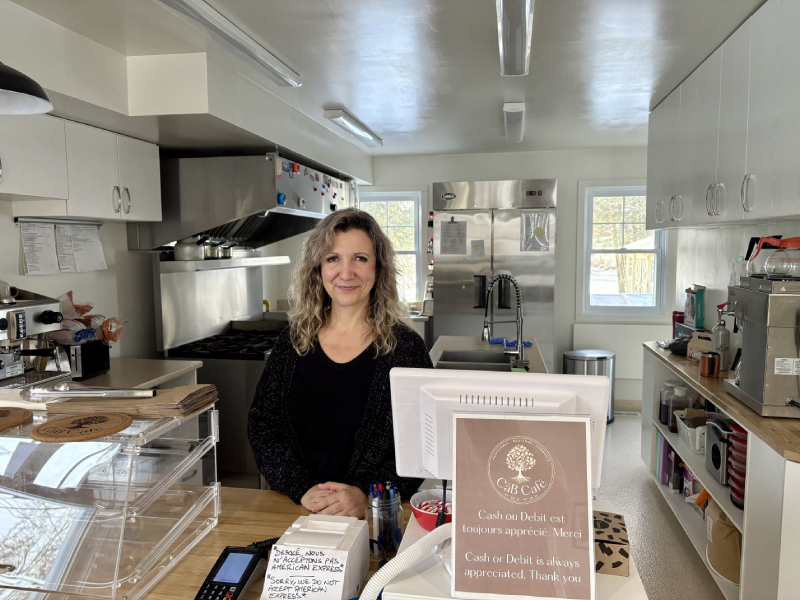
When asked about inspiration, Arbaud said her female role models were not celebrities, but women in her own life: “those who worked hard, created beauty out of little, and held everything together with grit and humour. Their example taught me that leadership doesn’t need a spotlight; it needs heart, patience, and understanding.”
Bigelow said she had different reasons for starting her Harrington-based small business, Crystal & Cauldron Soap-House, noting that she began the venture “to help pay for her horse and to have something productive and creative to do in my free time. I’ve always enjoyed making things, and soap-making became something I truly loved.”
Bigelow said the business “is both practical and fulfilling, and that’s when I realized I wanted to pursue it more seriously.” She added that seeing other small business owners share their journeys online gave her the confidence to begin her own.
Forgues-Fontaine, owner of Anjou’s Pizza in Vankleek Hill, said she didn’t start her business because it was easy, “I started it because it was necessary. Owning my own business gave me control I couldn’t find anywhere else when working for someone above me.”
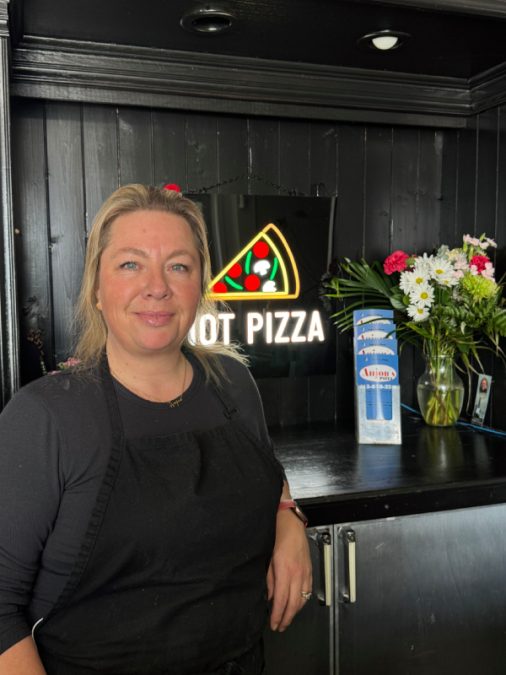
Forgues-Fontaine said her inspiration came less from ambition and more from circumstance. “I recognized a gap in services that I myself needed, and so I built the business I was looking for and couldn’t find. I didn’t see many people like me in business, but I saw enough to know it was possible. The community believed in this business before it was even profitable.”
Muise, owner of Alfred-based Communications CJM, said her inspiration for the business came out of a deliberate transition from full-time employment into entrepreneurship.
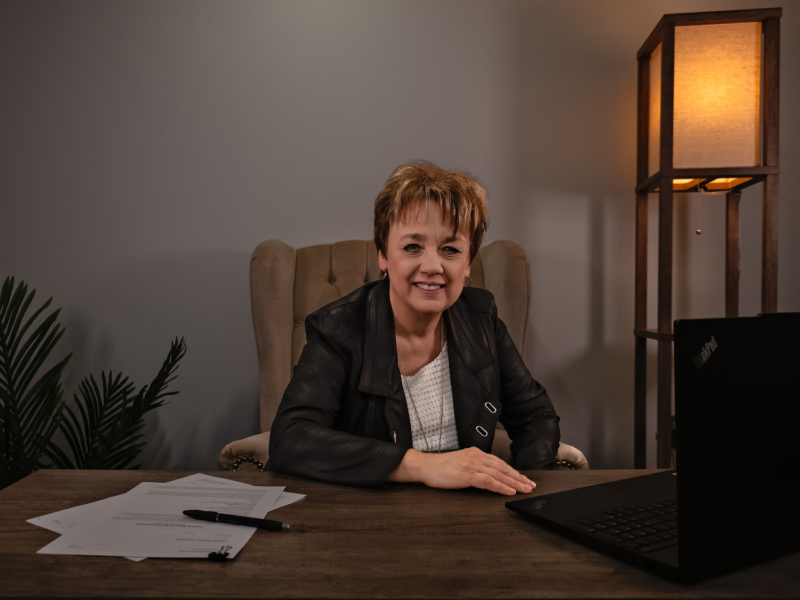
“After more than 30 years in marketing and communication leadership roles, I reached a stage where I wanted greater autonomy over how I work and how I live. It wasn’t about starting over; it was about evolving my career in a way that aligned with this stage in life.”
Throughout her career, Muise highlighted that both women and men who recognized potential and encouraged growth served as her inspirations. “Over the years, I continued to learn from several leaders and mentors who challenged me, supported my development, and allowed me to take on increasing levels of responsibility. What I’ve come to understand is that mentorship isn’t about gender; it’s about the people who are willing to invest in your growth and create space for you to lead.”
Challenges, Barriers, and Empowerment
Arbaud said one of the biggest challenges she faced was not being taken seriously in roles people do not expect women to occupy, such as contractor, builder, negotiator, and ultimately, owner. “I manage everything from recipes to equipment maintenance, yet people still sometimes assume I’m ‘just the cook.’ It’s exhausting to constantly prove your competence, but it also sharpens your resolve.”
Arbaud continued, “I’ve had moments where people have asked to speak to the ‘man of the house’ or questioned decisions I had already researched thoroughly. My response is always the same: stay calm, stay factual, and let my work speak louder than their assumptions. Over time, consistency becomes its own form of resistance.”
One of Bigelow’s biggest challenges has been slower sales and staying motivated during those slow periods. “It can be discouraging at times, but I remind myself of why I started and keep pushing forward. At times, starting small can make you feel overlooked, but I’ve responded by continuing to improve my products and staying consistent.”
“I keep making soaps for my family and friends, and I continue to hope that word of mouth spreads,” Bigelow said.
Forgues-Fontaine recalled that “access to funding was one of the biggest hurdles, not the idea itself. As a woman, you’re often expected to prove yourself twice; balancing family and business isn’t talked about enough, but it’s a very real challenge we face.”
She explained that the business is not just her own, but the community’s. “Shopping local keeps money circulating where it matters most. When one local business succeeds, it lifts others with it.”
Muise said her biggest challenge was transitioning from a structured salaried role into entrepreneurship and the uncertainty that comes with it, though she also recalled facing gendered barriers earlier in her career.
“There were moments where my expertise in marketing and communications was underestimated or perceived as secondary to other functions. They were powerful learning experiences, and pushed me to deepen my knowledge, refine my strategic thinking, and develop greater confidence in my capabilities,” Muise said.
“I’ve learned that the most effective response is thorough preparation and consistent professionalism. I know the value I bring, and I am comfortable standing firmly for who I am and what I can contribute,” Muise concluded.
Messages of Support
The women interviewed were asked what supports they would like to see for women entrepreneurs in the future, and what advice they could give to younger women considering diving into entrepreneurial work. Many said caregiving responsibilities and an unequal share of family duties can limit women from starting businesses, and that supports need to better acknowledge and address this reality.
Arbaud encourages would-be women entrepreneurs to “start before you feel ready. You’ll never have perfect timing, perfect confidence, or perfect conditions. Build a support network, ask questions without shame, and trust your instincts. Your difference is your strength.”
“I’d love to see more accessible funding, mentorship programs, and recognition of the invisible labour women carry. Women often build businesses while also carrying families, communities, and emotional workloads. Systems should reflect that reality instead of ignoring it,” Arbaud said.
Bigelow emphasized that for those wishing to start their own business, “take your time and make sure you have everything ready before starting. Do your research, learn as much as you can, and ultimately don’t rush the process. Preparation builds confidence.”
“I would love to see more opportunities and platforms that help small women-owned businesses get visibility and connect with customers,” Bigelow noted. “Sometimes the hardest part isn’t creating the product—it’s getting people to see it. More networking opportunities, small business grants, and community events that highlight women entrepreneurs would make a big difference.”
Forgues-Fontaine shared similar thoughts for young women entrepreneurs: “Don’t wait for permission—build anyway. This involves asking for help sooner than you think you should and ensuring that your voice belongs in the room, even when it shakes.”
Muise echoed similar sentiments, encouraging women “not to be afraid to pursue their ambitions and to take their aspirations seriously. Nurture your vision but also invest in your competence. Every experience, whether positive or challenging, builds capacity. Learn from it and make each step intentional.”
“While progress has been made, many women still carry a significant share of family caregiving responsibilities. When unexpected situations arise, women are often the ones who adjust their professional schedules to accommodate family needs,” Muise said.
“Beyond formal programs, I believe continued cultural support is essential; normalizing ambition, encouraging shared responsibilities at home, and increasing the visibility of women in leadership and entrepreneurship.”
