
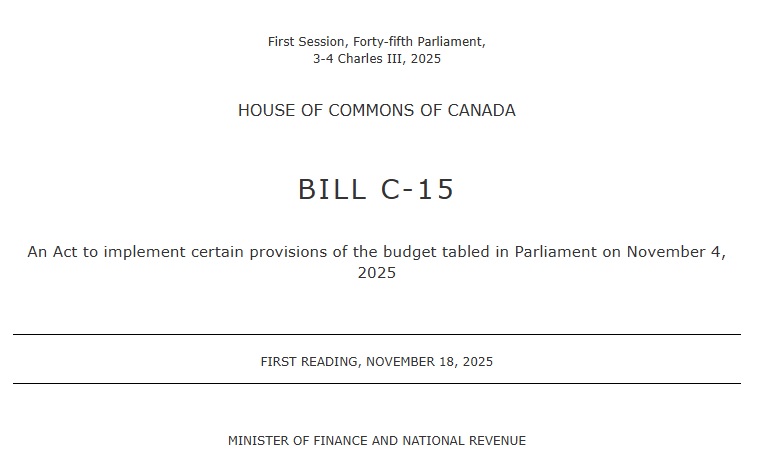
Bill C-15, currently before Parliament is the legislation which if adopted, will enable provisions of the 2025 federal budget aimed at stimulating economic growth and development to proceed. This includes amendments to laws in almost every area of federal government responsibility. However, it is opponents and skeptics of the proposed Alto high-speed rail project who object to amendments Bill C-15 would make to the federal Expropriation Act.
According to the website of Davies Howe, a Toronto law firm specializing in land development and expropriation, the amendments are specifically for the Alto project. The proposed changes seek to expedite federal land acquisition and significantly narrow the procedural rights typically available to landowners.
The Davies Howe description indicates that currently, the Crown must generally attempt to purchase land before expropriating it. Bill C-15 creates an exception for lands required for the high-speed rail network. If the Minister of Transport concludes that an interest in land is needed, the Crown is deemed to require this land for a public work, and the Minister must proceed directly to expropriation without attempting a negotiated purchase.
According to Davies Howe, other changes to the Expropriation Act include simplifications to how notices of expropriation are given by the federal government, a removal of the requirement for a public hearing if there are objections to expropriations, and changes to how compensation for expropriated property will be assessed. To entire draft of Bill C-15 may be read here.
The complete Davies Howe explanation of changes to the Expropriation Act may be read at https://davieshowe.com/bill-c-15-key-changes-to-the-federal-expropriation-act-for-high-speed-rail-projects/.