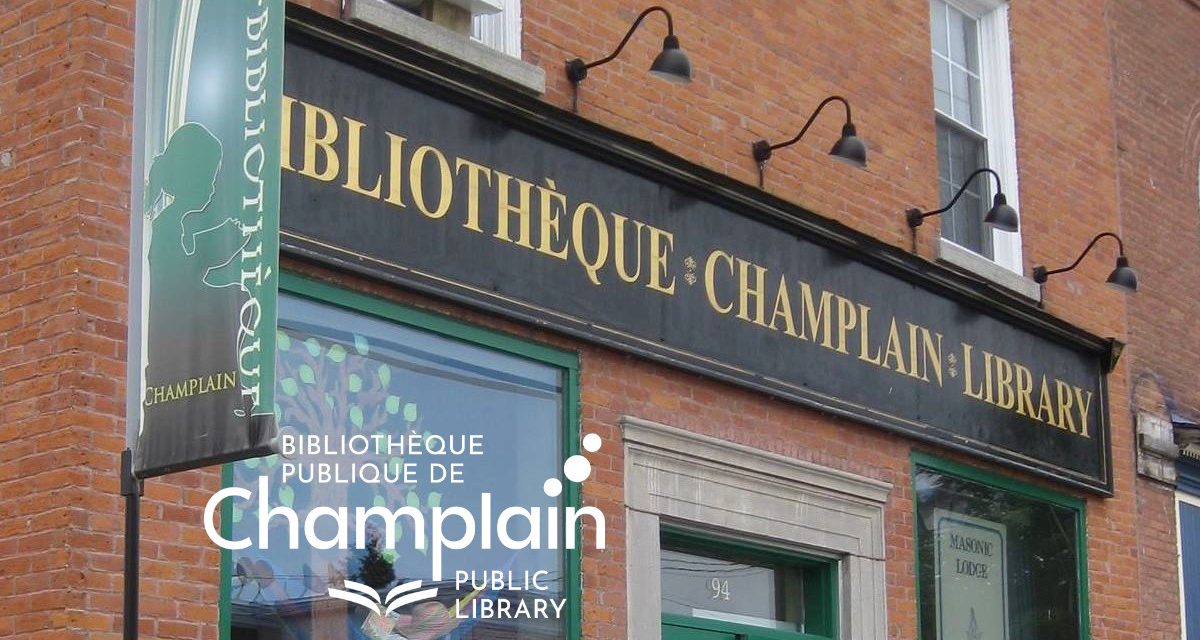
Every September 30, we observe Truth and Reconciliation Day, a time to remember the harms caused by Canada’s residential schools, to honour Survivors, and to learn how we can be part of reconciliation. At Champlain Library, we support this work. We believe children can learn, feel, and grow through these stories, and that talking about them together helps build understanding and kindness.
Here are some children’s books in our collection that help with these conversations, along with simple ways parents, caregivers, or teachers can use them to talk with kids.
- Phyllis’s Orange Shirt by Phyllis Webstad; illustrated by Brock Nicol
Phyllis shares her true story of having her orange shirt taken away at residential school, showing why every child matters. - These Are My Words: The Residential School Diary of Violet Pesheens by Ruby Slipperjack
Written as Violet’s diary in 1966, this novel shows her life at residential school and her struggle to hold on to language and culture. - Stolen Words by Melanie Florence; illustrated by Gabrielle Grimard
A girl learns her grandfather’s Cree language was taken from him at school, and together they begin to reclaim it. - Speaking Our Truth: A Journey of Reconciliation by Monique Gray Smith
Explains the history of residential schools and invites young readers to reflect, ask questions, and take part in reconciliation.
How to Talk with Children About the Books
- Start with listening: Ask what they know already. What does “reconciliation” mean to them?
- Use age-appropriate language: With younger kids, focus on kindness, respect, and remembering. For older kids you can introduce more history.
- Read together & ask questions: While reading, pause. Questions like “How do you think Violet felt?” or “Why is language important?” help them think.
- Encourage empathy: Reflect on feelings “That must have been hard.”, imagine walking in someone else’s shoes.
- Model openness: It’s okay if you don’t have all the answers. Learning together is powerful.