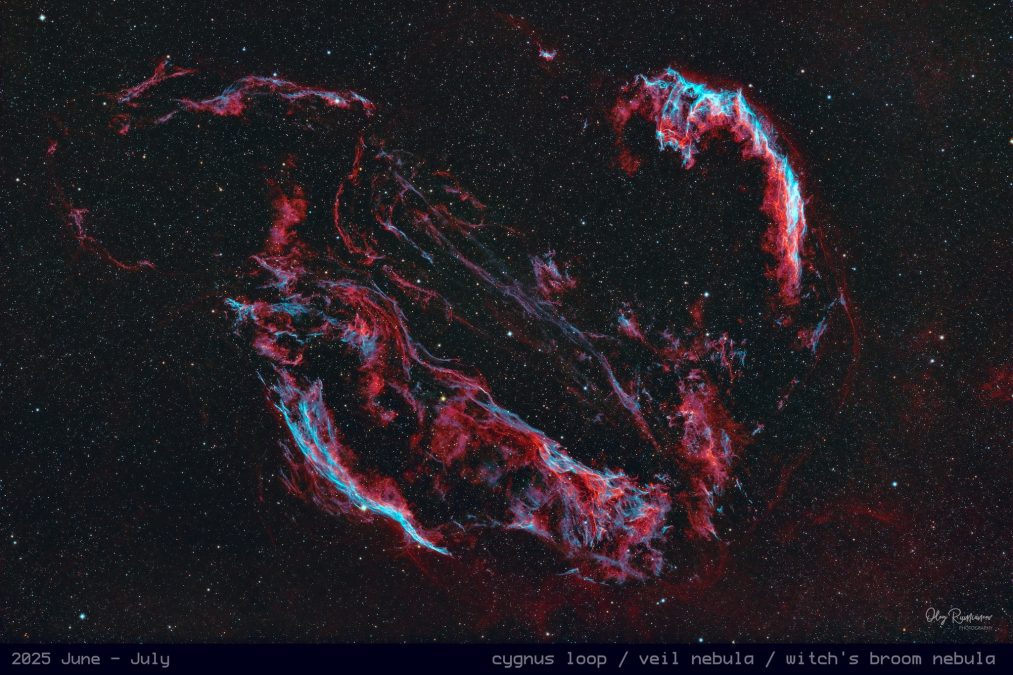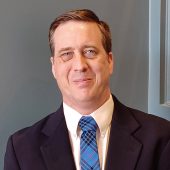
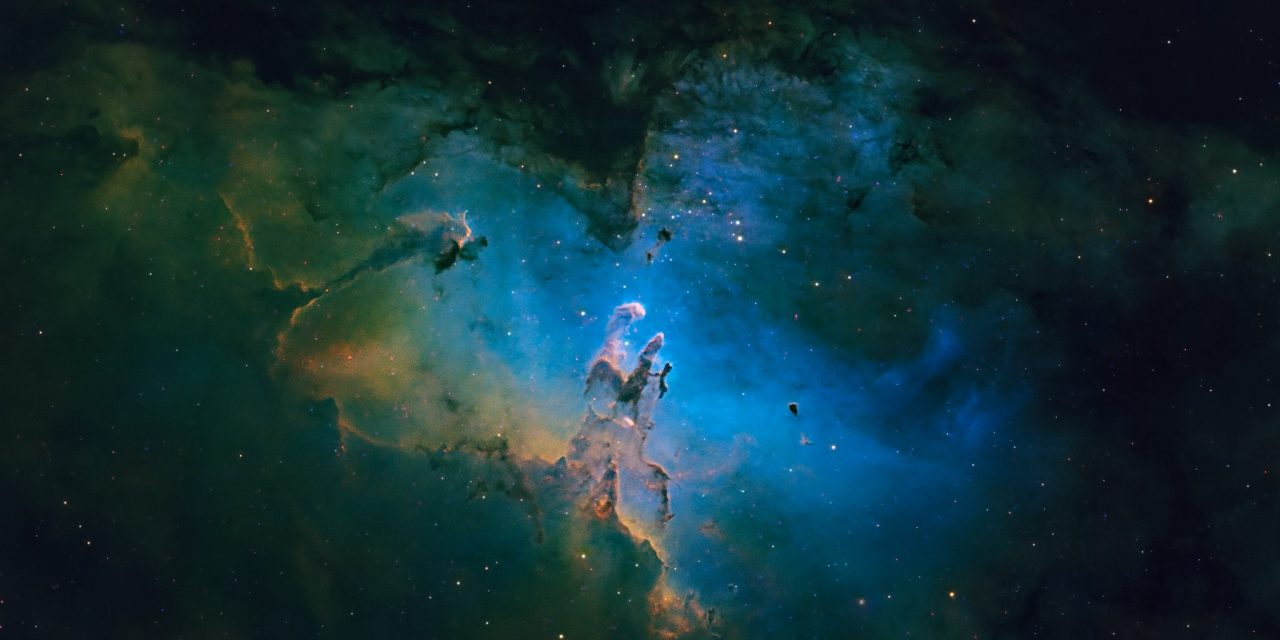
Oleg Rumiancev is a photographer of the stars. No, the Bainsville resident does not travel to Hollywood and photograph movie stars, he photographs the night sky. It is called astrophotography and blends astronomy with photography.
Rumiancev described himself as someone who has a camera and knows some basic photography concepts, but astrophotography was a further descent into a figurative rabbit hole. He also described himself as an introvert who also loves nature and looking at the sky.
“I’ve always been astronomy-curious, but never curious enough to do anything hands-on with it,” Rumiancev said.
However, he admitted to absorbing a lot of information from the likes of popular astrophysicists Carl Sagan and Neil deGrasse Tyson, and that contributed to an eventual interest in photographing the cosmos.
“I tend to take pictures of nature more than people, and eventually I found myself learning how to do simple nighttime photography – the type of stuff for which you only need a camera and a tripod,” Rumiancev said.
But a further exploration of the night sky was tempting him.
“But nothing was ever enough, as at that point I was paying a lot of attention to what other people are able to produce in nighttime and astrophotography. And it looked glorious. So, if they can, why not me?” remarked Rumiancev.
The next steps involved incrementally acquiring more and more specialized and capable nighttime and astrophotography gear. That included a small star tracker for a DSLR camera.
“It enables one to take pictures of the stars for longer exposure times without star trails,” Rumiancev explained.
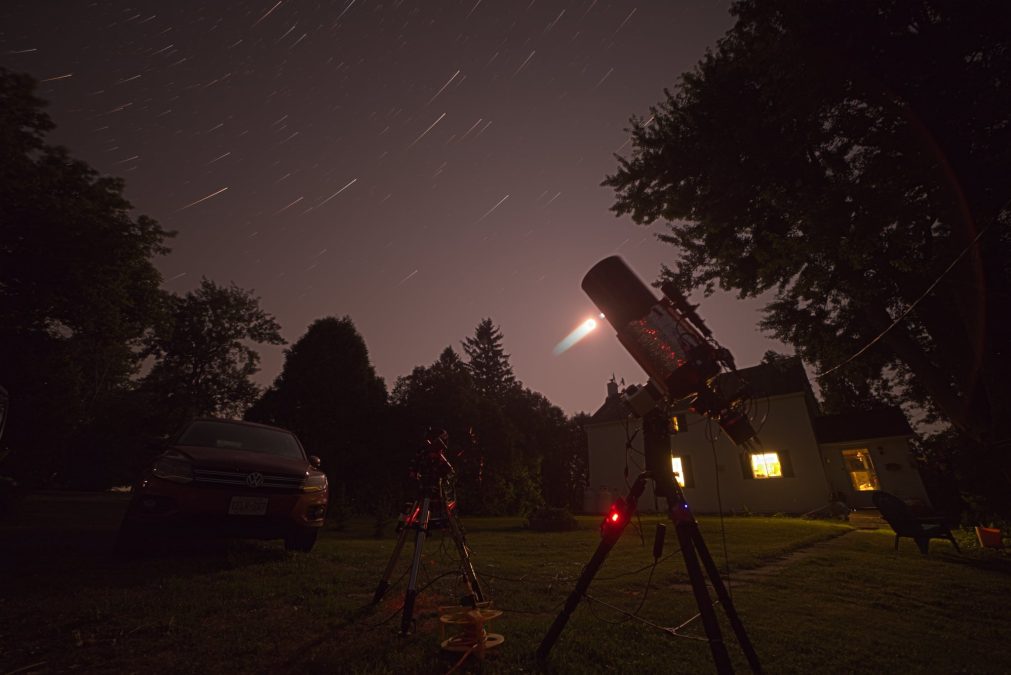
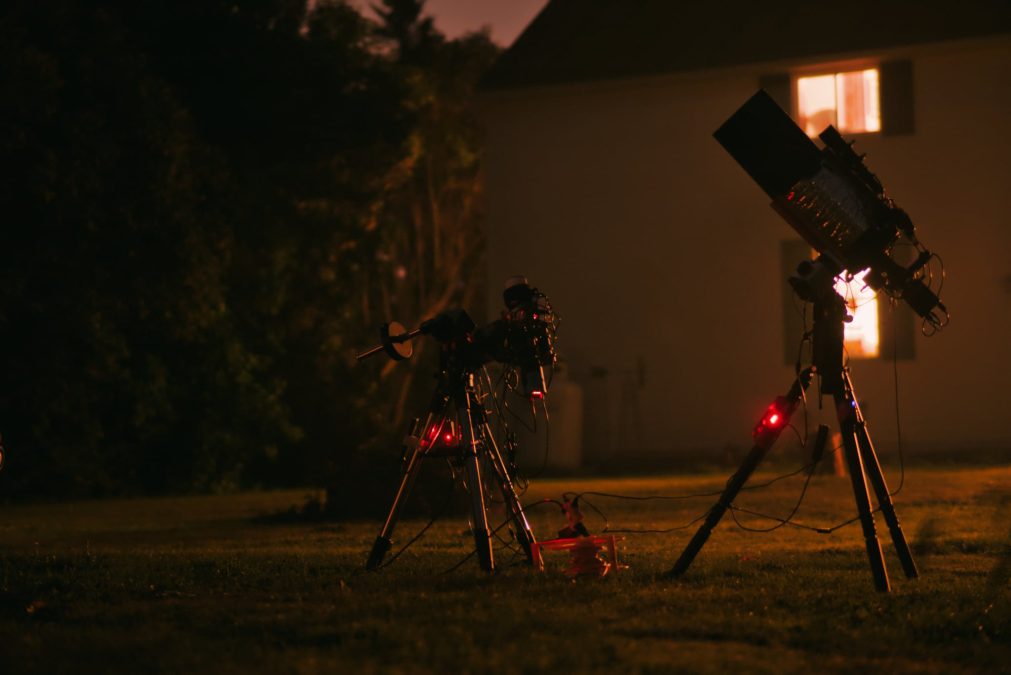
About a year later, Rumiancev had the equipment he needed for astrophotography. Those included two rigs, each comprising of a star tracking equatorial mount, a telescope, astrophotography cooled camera, sets of filters, secondary small telescope for star guiding, and a mini-PC with control centre software to coordinate the interplay between all the components.
“And that’s only the field part of this – the post processing is as involved, if not more,” said Rumiancev.
He further explained the two parts of the astrophotography process. The first involves acquiring a series of photos of the sky and calibration photos in the field, and post processing, which means stacking and editing them in software later.
In the field, Rumiancev ensures the polar aligning of the star tracking mount to the celestial north pole. He locates the target with the mount and centres it in the camera. He then calibrates the auxiliary guiding telescope that will keep the primary telescope on target and captures hours of photos of the object. The last step in the field is to take a few types of calibration frames/photos to help get rid of optical defects in postproduction.
During postproduction, multiples of photos are “stacked” into one to reject noise and enhance colours and details of the end photos. Calibration frames are used to deduct defects, and a set of post processing techniques are applied to reduce light pollution and further bring out deep sky object details and colour.
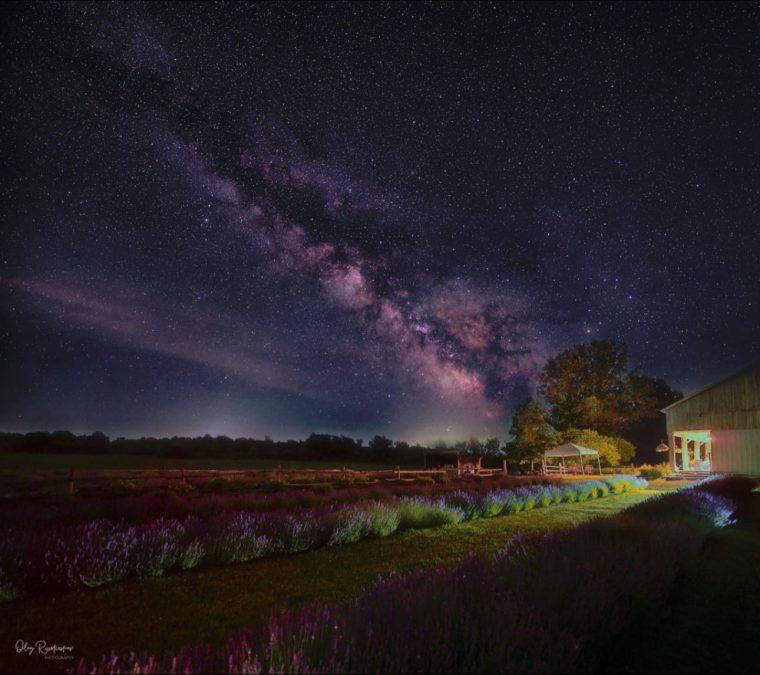
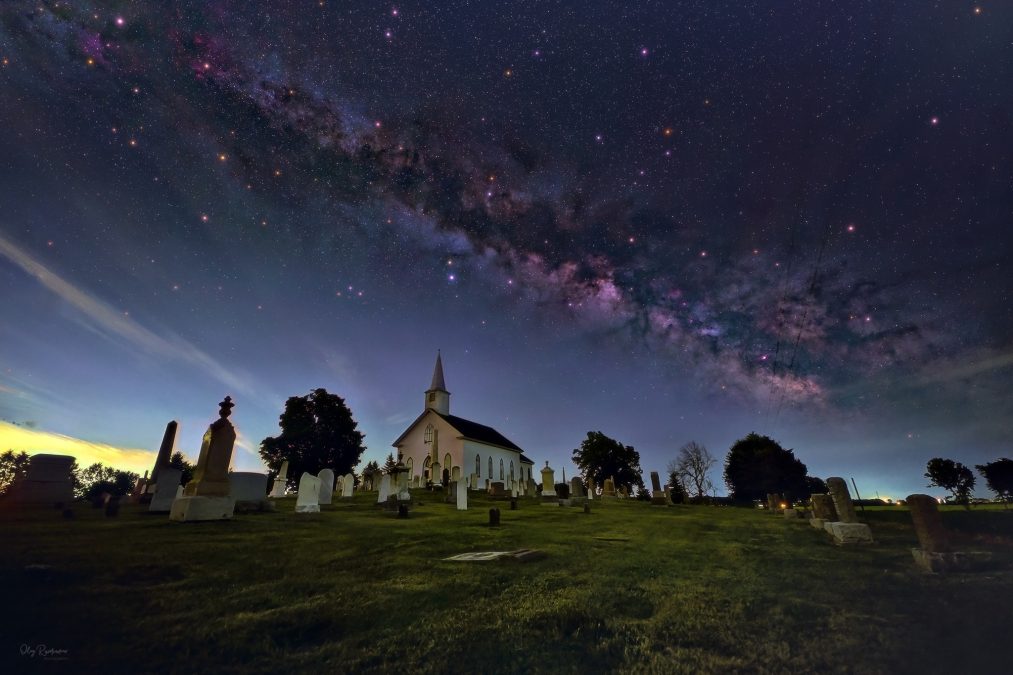
Rumiancev has captured many images of the night sky, along with images of the stars over various landmarks and places of interest in South Glengarry.
Photos: Oleg Rumiancev