The Vankleek Hill and District Nature Society (VKHDNS) has highlighted concerns about the returning ospreys at Cyr-de-Lasalle Park, which originally arrived in 2014 and have continued to return to the area each year for nesting. The VKHDNS is seeking collaboration between the Town of Hawkesbury, the Ministry of Natural Resources, and volunteers.
Ospreys are fish-eating birds with wingspans between 147 and 183 centimetres. They typically weigh between 0.9 to 2.1 kilograms. Ospreys primarily feed on fish, hovering over waters one to two metres deep before plunging talons-first. They have a lifespan of 15 to 20 years.
Adult ospreys tend to arrive in regions with large water features, rivers, and oceans in April, have two to four eggs annually, then leave in late September.
Previous widespread use of the pesticide DDT (Dichloro-Diphenyl-Trichloroethane) from the 1940s to the 1970s led to the thinning of osprey eggshells, resulting in the eggs cracking under the weight of incubating adults. According to the Government of Canada, DDT use was discontinued in 1985, with all remaining stock sold, used, or disposed of by December 31, 1990.
Since the ban on DDT and the launch of conservation programs, ospreys and other birds of prey have shown signs of recovery.
The VKHDNS wants to continue efforts to ensure the ospreys at Cyr-de-Lasalle Park live long and healthy lives, increase the osprey population annually, and provide an educational tourist stop.
Vice President of the VKHDNS Christine Trudeau explained that not only is there an opportunity to positively contribute to the Hawkesbury ospreys’ lives but to provide an educational plaque for residents and tourists. Trudeau suggested that the bilingual plaque would be similar to the one installed at Voyageur Provincial Park in 2017, outlining the life and history of ospreys in the region.
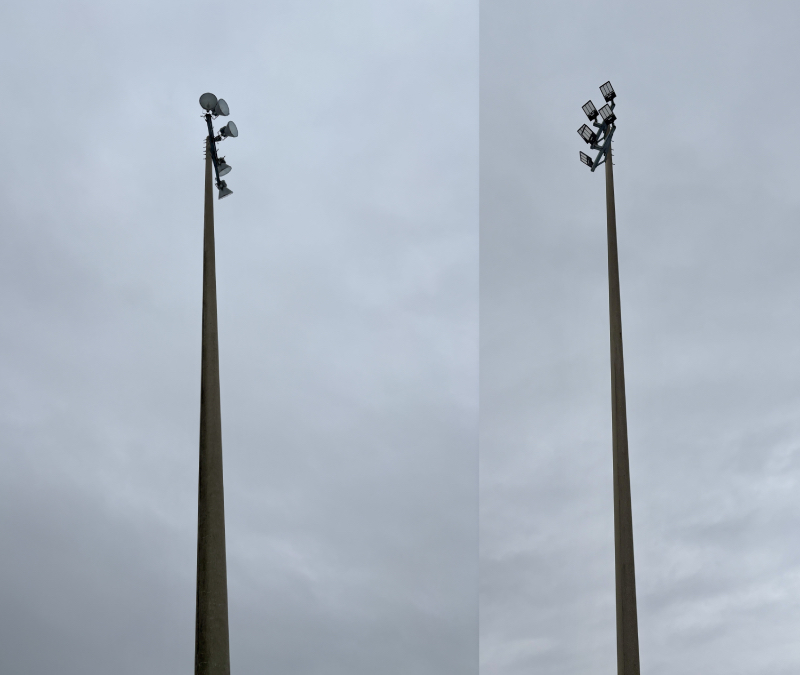
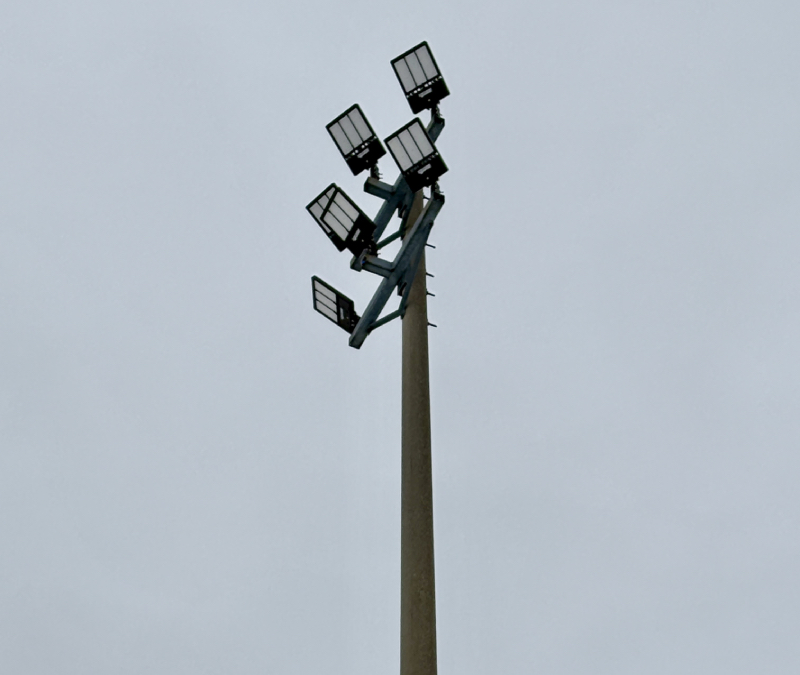
Complaints and concerns were presented to the VKHDNS through Facebook when the Hawkesbury Recreation Department replaced three light fixtures at the park in February of this year with newer and more efficient LED bulbs.
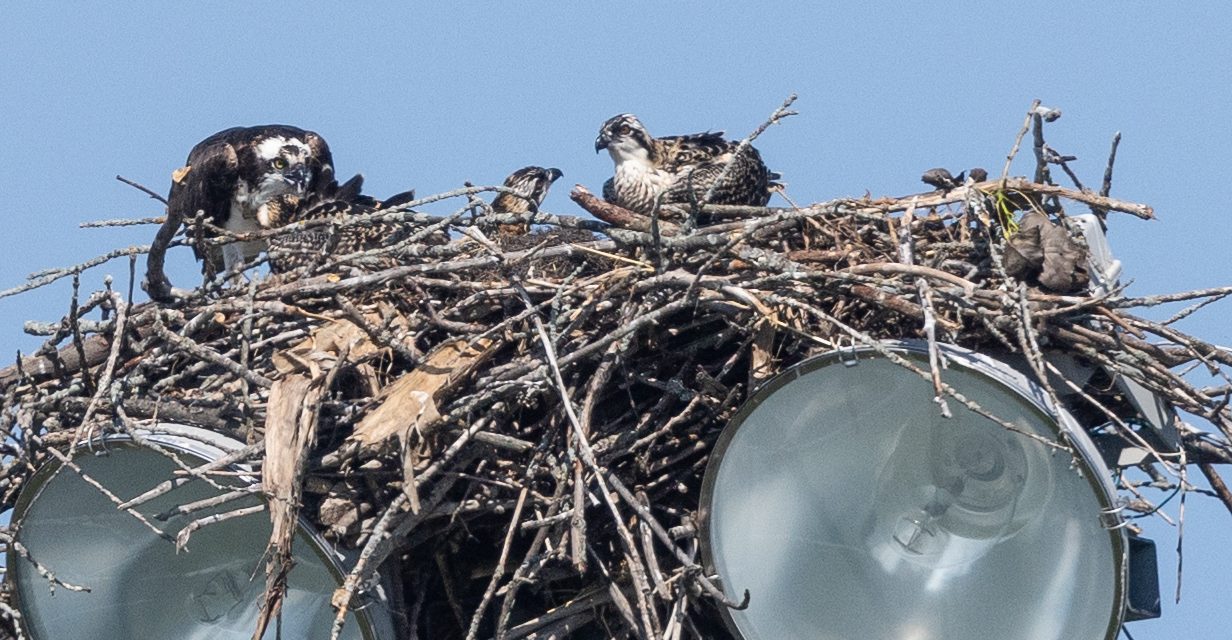
During the installation of the new LED fixtures, workers unintentionally destroyed the 2024 osprey nest.
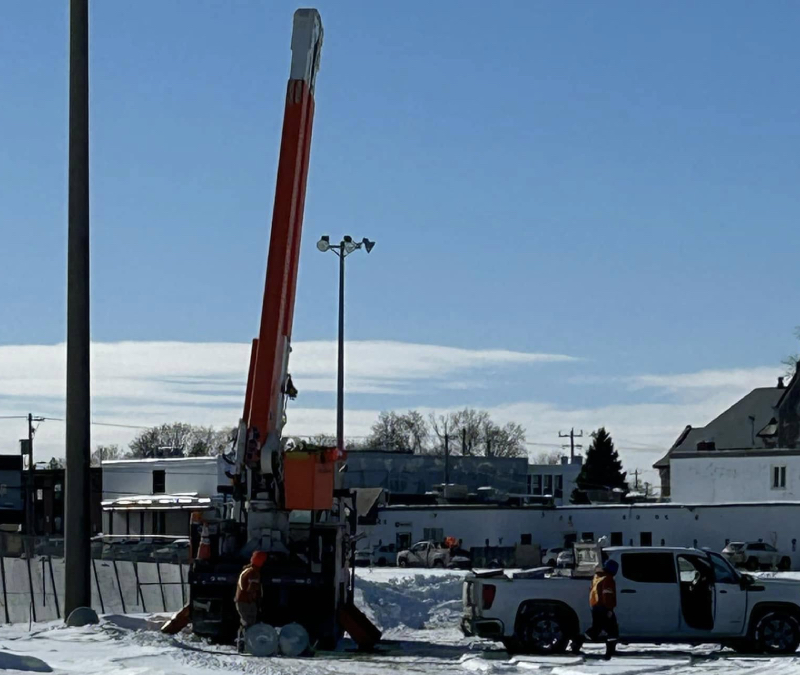
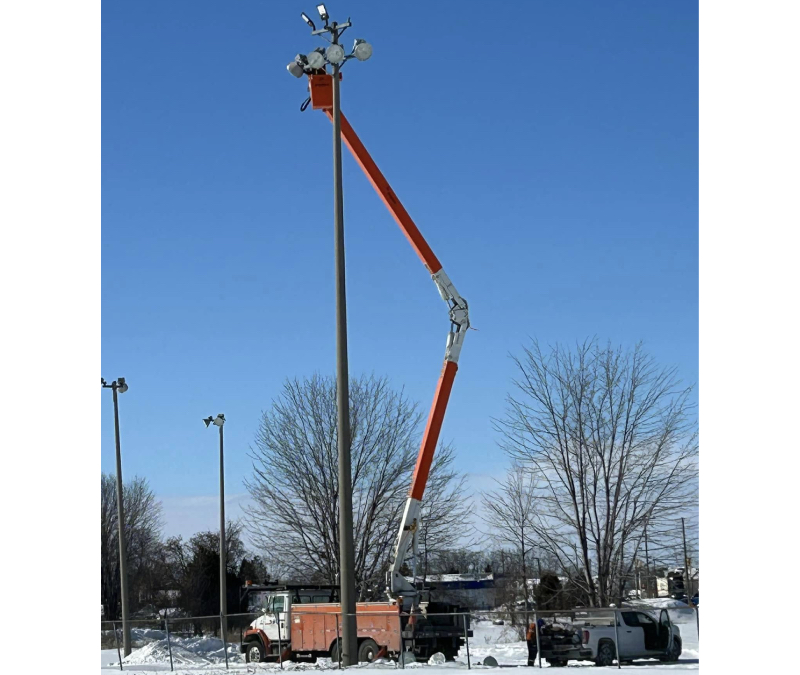
The original conical shape of the previous lights generated a lot of heat and provided a base structure for the nesting ospreys to return and build their nest annually. Concerns surrounding the nest being a fire hazard were also brought up.
Trudeau noted, “Ultimately, it’s wherever the ospreys decide to nest. The fishing and location here are good for them, so they return to the area annually.”
“We have been informed by conservation officers on suggested directives for our situation, specifically installing a nearby and dedicated osprey platform. The officer also recommended having the VKHDNS partner with other organizations for funding and volunteer work,” she continued.
To aid with the ospreys’ return for nesting, the VKHDNS created an outline of the proposed wildlife project. The platform project relies on cooperation with the Town of Hawkesbury, local volunteers, and Sproule Powerline Construction.
Key takeaways include:
- The VKHDNS being a main partner in coordinating the project
- Scheduled annual inspections/repairs of the park light fixtures to be done between October and March, outside of the osprey nesting season
- Means of preventing ospreys from nesting on light fixtures should be implemented
- Installation of an informative tourist sign with contact details for emergencies
- Filling out applicable permits with the Ministry of Natural Resources
As part of the project, Sproule Powerline Construction would provide and install a used 40-foot pole for the osprey platform.
Trudeau explained that she and the VKHDNS are ready and willing to meet with representatives from Hawkesbury to discuss the project details further.
Photos by Philip Oddi: