

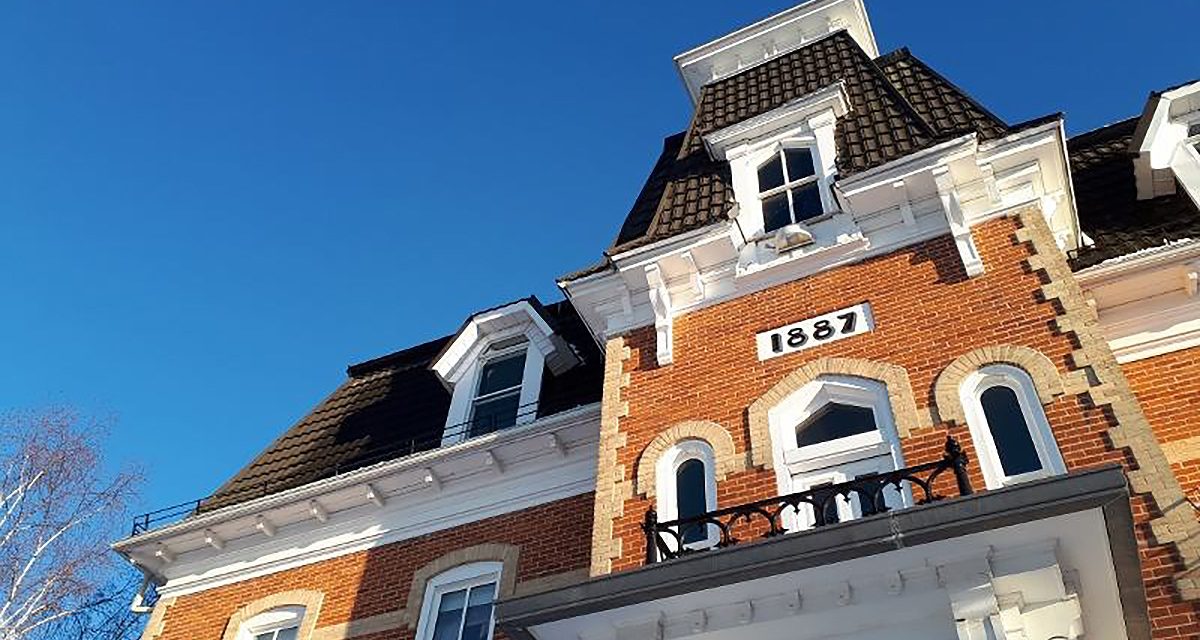
The Municipalité régionale de comté (MRC) d’Argenteuil will spend $23,177,572 in 2025, according to the budget adopted by MRC Council, and the amount of funding the regional government collects from its nine member municipalities will not increase in the new year either. The total amount of the budget includes $5,528,788 for the operations of telecommunications not-for-profit, Fibre Argenteuil.
In 2025 the total contribution from the municipalities to the MRC will remain at the 2024 total of $4,882,934. Municipal financial contributions to the MRC are based on the amount of MRC services used by the individual municipalities. The MRC d’Argenteuil acts as a service cooperative for its nine municipalities, providing civil engineering, computer engineering and networking, geomatics, arts and culture, forestry engineering, and agricultural services.
The contribution from municipalities represents 27.7 per cent of the MRC’s annual revenue. The remaining revenue is from subsidies provided by the Government of Québec, the Government of Canada, reserves, and accumulated surpluses.
“In a context that is still uncertain, where caution is required and where it is important to promote economic recovery, the MRC is demonstrating responsible financial management, with rigorous expenditure control and work to diversify revenue sources. This is to minimize the financial impact on citizens,” said Prefect Scott Pearce.
The MRC d’Argenteuil has several projects planned for 2025. These include beginning the process of reviewing its Land Use and Development Plan, the development of a 2025-2030 Strategic Plan, and the implementation of a housing plan for agricultural zones. The MRC will also finalize work associated with renewing its Cultural Policy in 2025.
As part of the 2020-2024 Fiscal Pact between the Québec government and the province’s municipalities, the MRC d’Argenteuil receives additional funding to assume ever-increasing responsibilities. These include regional development, skills development, innovation, and intermunicipal cooperation. There are also various government subsidies related to land use planning, housing, high-speed Internet deployment, municipal asset management, local roadwork planning, adapted and public transportation, the community agriculture project, territorial marketing, youth, immigration, crime prevention, healthy lifestyles, promotion of arts and culture, protection of built heritage, protection and enhancement of natural environments, implementation of the agricultural zone development plan, and adaptation to climate change.